


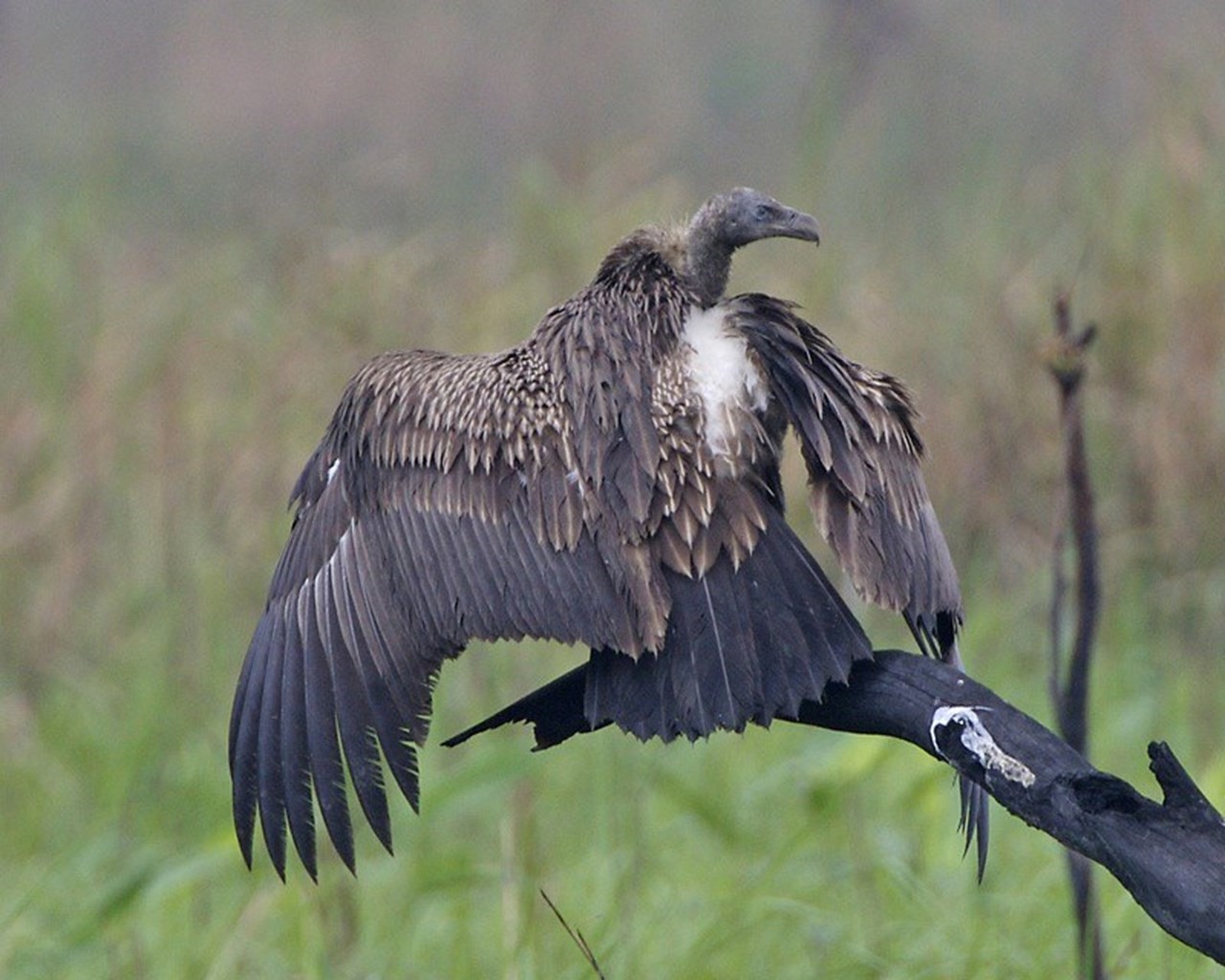
Gaindakot, June 19: When the Jatayu (vulture) Restaurant first opened in Kawasoti of Nawalpur district in 2006, some locals expected a new feasting venue for humans while others thought and expressed fear that it might be serving vulture meat.
“In the beginning, we often had to convince people that this was a site for vulture conservation, not a place for humans to eat and educate them on the vital role vultures play in our ecology,” explained conservationist DB Chaudhary, coordinator of the Jatayu Restaurant.
The restaurant was a revolutionary effort designed to serve safe, chemical-free carcasses to a creature long rejected as an indication of bad luck. In the past, many believed a vulture landing on a roof signaled bad luck for the family and anyone who touched the bird was considered impure and required to bathe immediately.
By smartly rebranding the misunderstood vulture as “Jatayu”, the heroic bird from the Ramayan, Chaudhary managed to flip the superstition. This cultural transformation has been a loud success, protecting a dying population of 72 birds into a successful number of over 500 in last two decades.
Chaudhary recalled that vultures were once commonly seen throughout the area. As their numbers started declining, they became increasingly concerned but they did not know the cause.
Later, reports began emerging that diclofenac, a veterinary drug widely used to treat livestock, was poisoning vultures after they fed on carcasses of treated animals, he said.
“Several other factors also contributed to the decline. Large grazing areas gradually disappeared as land use changed and community forests expanded. At the same time, farmers began keeping fewer cattle,” he said.
Chaudhary said another important change involved the disposal of dead animals. In the past, livestock carcasses were often left in open areas where vultures could feed on them. Over time, however, people began burying dead animals because of growing concerns about sanitation and odour. While the practice improved hygiene, it further reduced food availability for scavenging birds.
Chaudhary said he had been keeping detailed records of local bird populations and breeding sites and regularly shared information with conservation organisations. When international experts visited the area to investigate the decline in vultures, he discussed his concerns about the shortage of food and proposed establishing a managed feeding centre.
He explained that his proposal was based on a simple idea, old and unproductive cattle could be cared for until their natural death, after which their carcasses could be provided safely to vultures. He said the plan was practical because he had strong relationships with local communities and understood the challenges involved in managing such a programme.
According to Chaudhary, conservation organisations were initially surprised by the concept but soon recognised its potential. After discussions with leading conservationists, technical and financial support was secured, allowing the project to move forward. Land was acquired, basic infrastructure was built and staff were hired to manage the facility.
Chaudhary said this helped build trust with communities while also providing an opportunity to educate people about the ecological value of vultures. Farmers could see that the animals would be cared for properly and that they were contributing to conservation efforts.
“But rumours spread quickly through surrounding communities, with some people claiming that cattle were being slaughtered for vultures or that the site would create pollution and attract unwanted activities. Others could not understand the purpose of the project because the concept was entirely new.”
Chaudhary said, one of the most effective decisions was naming it “Jatayu Restaurant”. The term “vulture” carried strong negative thoughts, whereas Jatayu, a revered character from the Ramayan, was widely respected. By using the name Jatayu, the project was able to spark curiosity and attract visitors who might otherwise have dismissed it.
When the restaurant was established, only about 72 vultures representing seven species had been recorded in the area. In the last two decades of conservation, numbers have increased, with records showing as many as 517 vultures from eight species. A species not previously recorded in the area has also been documented.
Chaudhary said the initiative has gained international recognition and become a model for vulture conservation. The approach has since been replicated in other parts of Nepal as well as in India, Pakistan and several African countries.
“The most important achievement is that people now understand vultures. Once people changed the way they looked at these birds, conservation became possible,” Chaudhary said. #nepal #vulture