


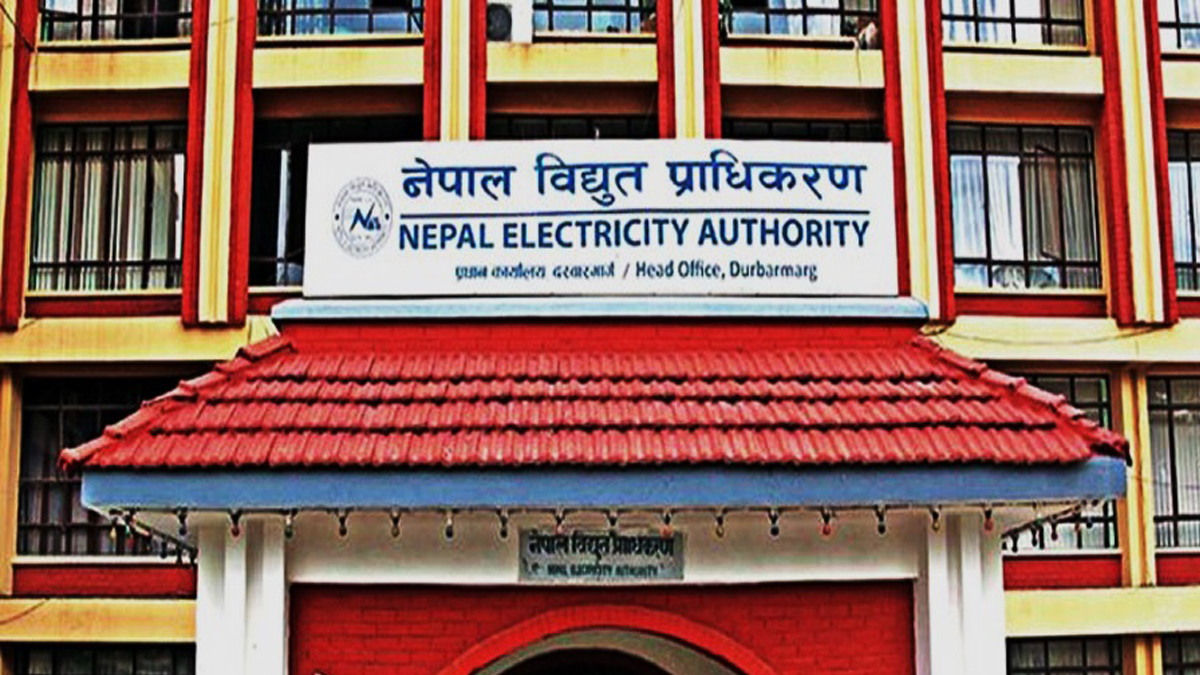
Kathmandu, Nov 13: Electricity supply has been restored to all industries whose power lines were disconnected due to non-payment of premium charges for consuming electricity through dedicated and trunk lines, according to the Nepal Electricity Authority (NEA).
The NEA reconnected the supply after the concerned industries paid the first installment out of the total 28 scheduled installments of their outstanding dues.
Earlier, power lines to 25 industries had been cut over the long-standing dispute regarding unpaid premium charges. Among them, three industries had already been disconnected for failing to pay even their regular electricity bills.
Of the three previously disconnected industries, Everest Paper Mills and Butwal Cement Industry have not cleared their regular bills, while another cement industry halted operations without repairing its transformer.
NEA Executive Director Manoj Silwal stated that at present, no industry’s power supply is cut off for non-payment of premium charges. “All industrial consumers have paid their first installment,” he said. “After receiving the payments, we have reconnected electricity supply to all industries.”
The NEA had issued a public notice on September 28, granting 21 working days for industries to clear their dues in 28 installments. Based on that notice, 13 industrial consumers had paid their dues on time, while the remaining 25 industries had their lines disconnected.
Installment payments before disconnection
According to NEA officials, 13 industries had already begun using the installment payment facility and cleared their first installments. Hulas Steel, which owed over Rs 140 million, paid Rs 5.043 million as its first installment. Ashok Steels in Simara paid Rs 6.3 million, while Hama Iron & Steels, Laxmi Steels, and Sarvottam Cement also utilized the installment scheme, keeping their electricity supply uninterrupted.
Legal settlement still pending
Although the immediate issue has been resolved, the premium charge dispute remains legally unsettled. NEA Executive Director Silwal said industries still have the option to seek legal or regulatory recourse through the Electricity Regulatory Commission or the courts.
“Any industry dissatisfied with the current arrangement can pursue judicial resolution,” he said. “We will cooperate with and participate in the process as required.”
Two industries have already approached the Electricity Regulatory Commission after paying their first installments, and the NEA has taken a positive stance toward their participation in the process.