


Kathmandu, Nov 18: There was a time when people used to hide while eating millet porridge (popularly named as ‘dhindo’ in Nepali language) or felt uncomfortable admitting they had eaten it. Even in villages, similar attitudes prevailed because dhindo was considered the food of the poor.
Back then, rice was believed to be the food of wealthy, while millet symbolised as poverty. In some places, people would eat dhindo inside their house while feeding milk-rice to their dogs outside, stories like these were commonly heard.
But times have changed. People now go searching for dhindo not only in villages but also in big hotels in cities. Dhindo is no longer a food to be hidden—it has become a preferred and even celebrated dish. Nowadays, people proudly post photos on social media saying they enjoyed dhindo.
Rice, once considered essential, has now become mostly an optional dish. Whether at home or in hotels, many people prefer to avoid taking more rice. Instead, roti, chyakhla, and dhindo are becoming more popular choices. What used to be a symbol of wealth—white rice—is now seen as unhealthy. Doctors themselves advise people to minimize rice intake and focus more on organic, indigenous, and low-carbohydrate foods.
Compared to the past, people today are more conscious about their health. This has led them to prefer pesticide-free, indigenous, and low-carb foods.
Food, nutrition, and public health expert Dr. Aruna Upreti says traditional grains like millet, buckwheat, gundruk, maize, chyakhla, and lentils are increasingly becoming people’s top choices. She adds that awareness has grown about how indigenous foods help prevent high blood pressure, diabetes, and other diseases—much more than modern, processed foods.
“Earlier, eating local traditional foods was looked down upon. But that’s no longer the case. Due to media awareness, people are becoming more attracted to traditional foods. Once, saying ‘I ate millet’ felt embarrassing. Today, even five-star hotels serve millet, buckwheat rotis, and dhindo; these items appear on menus,” she says.
She suggests that local indigenous foods grown through organic methods are especially important now because people exercise less and consume more processed foods.
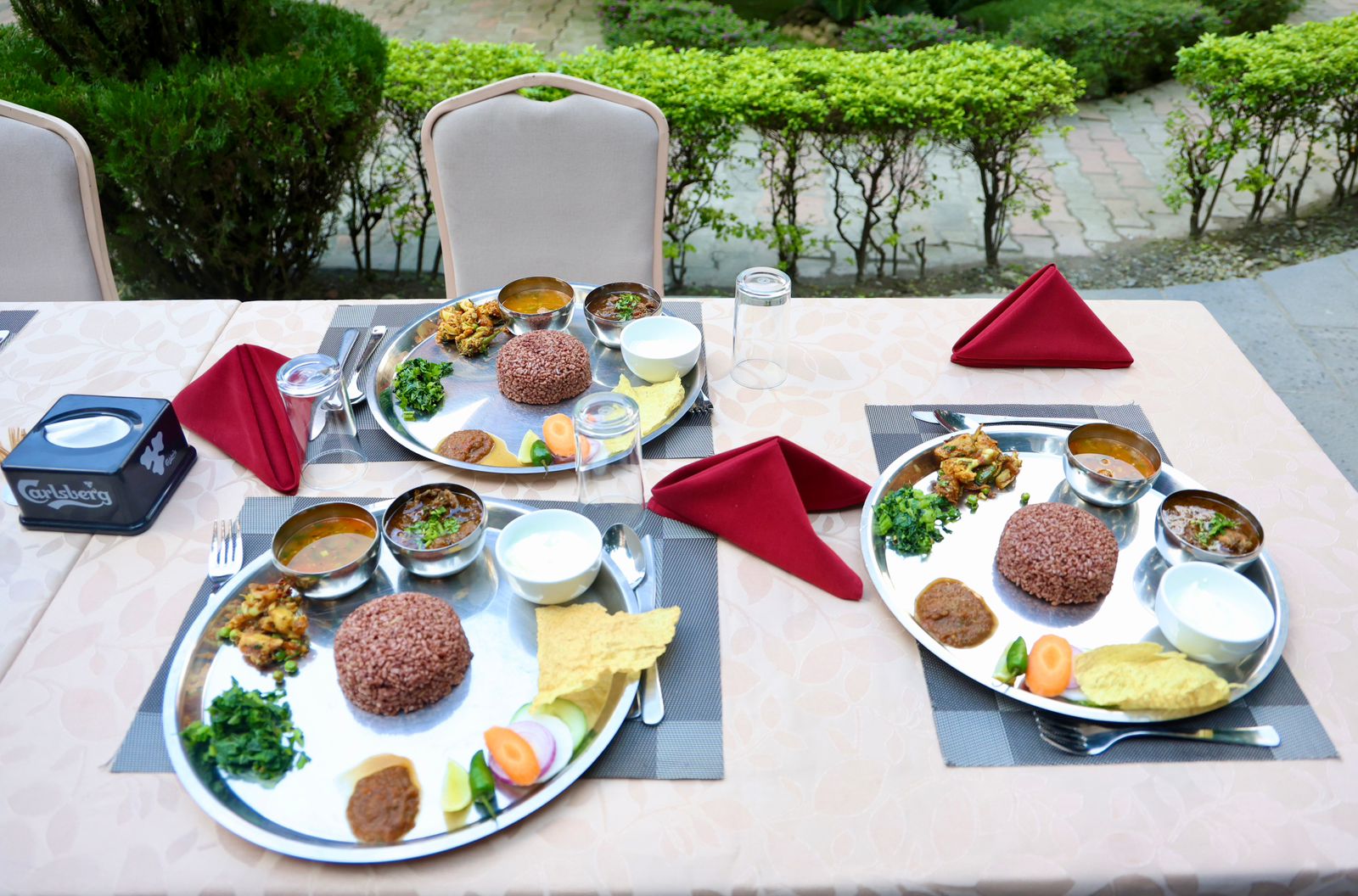
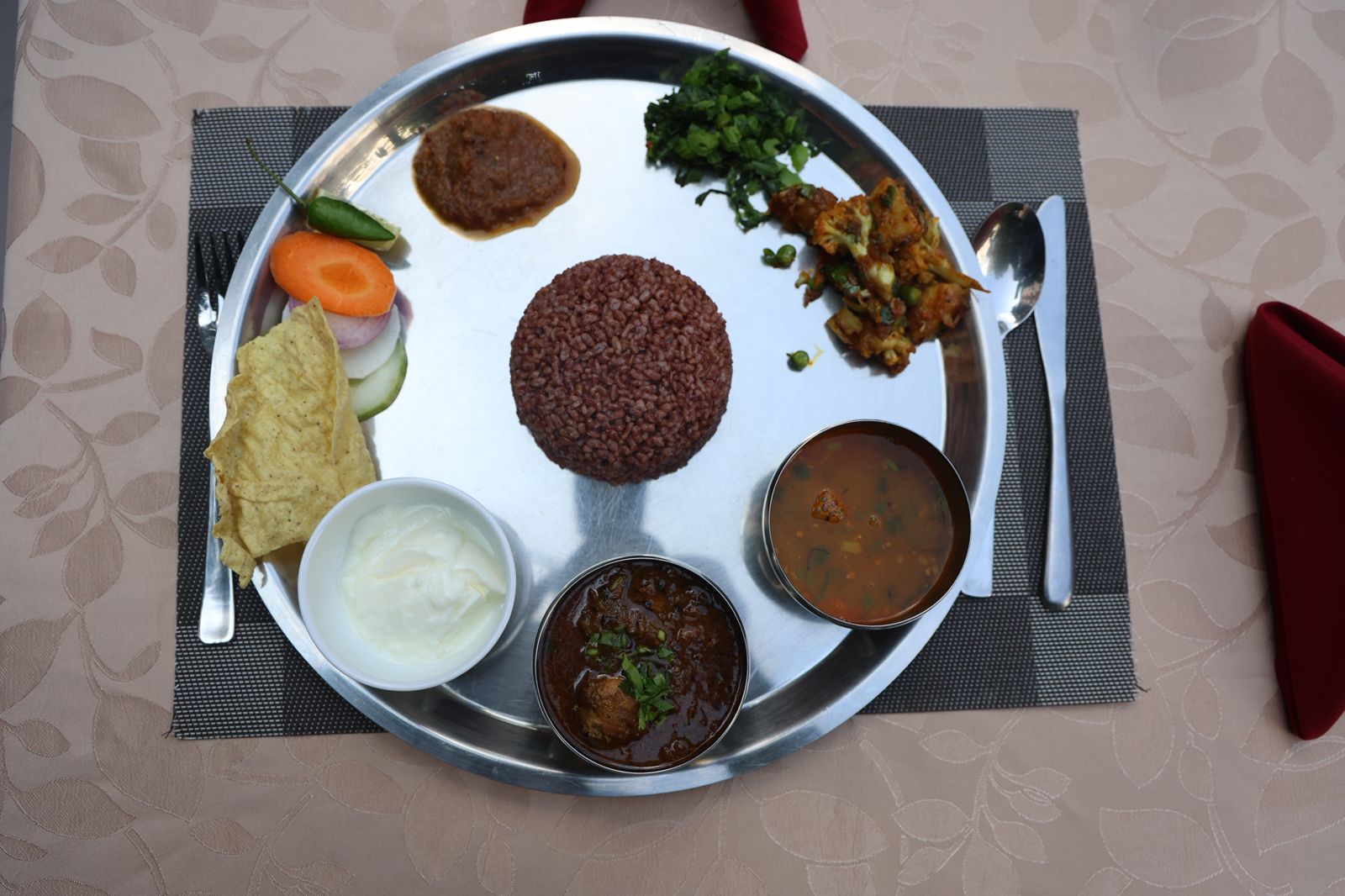
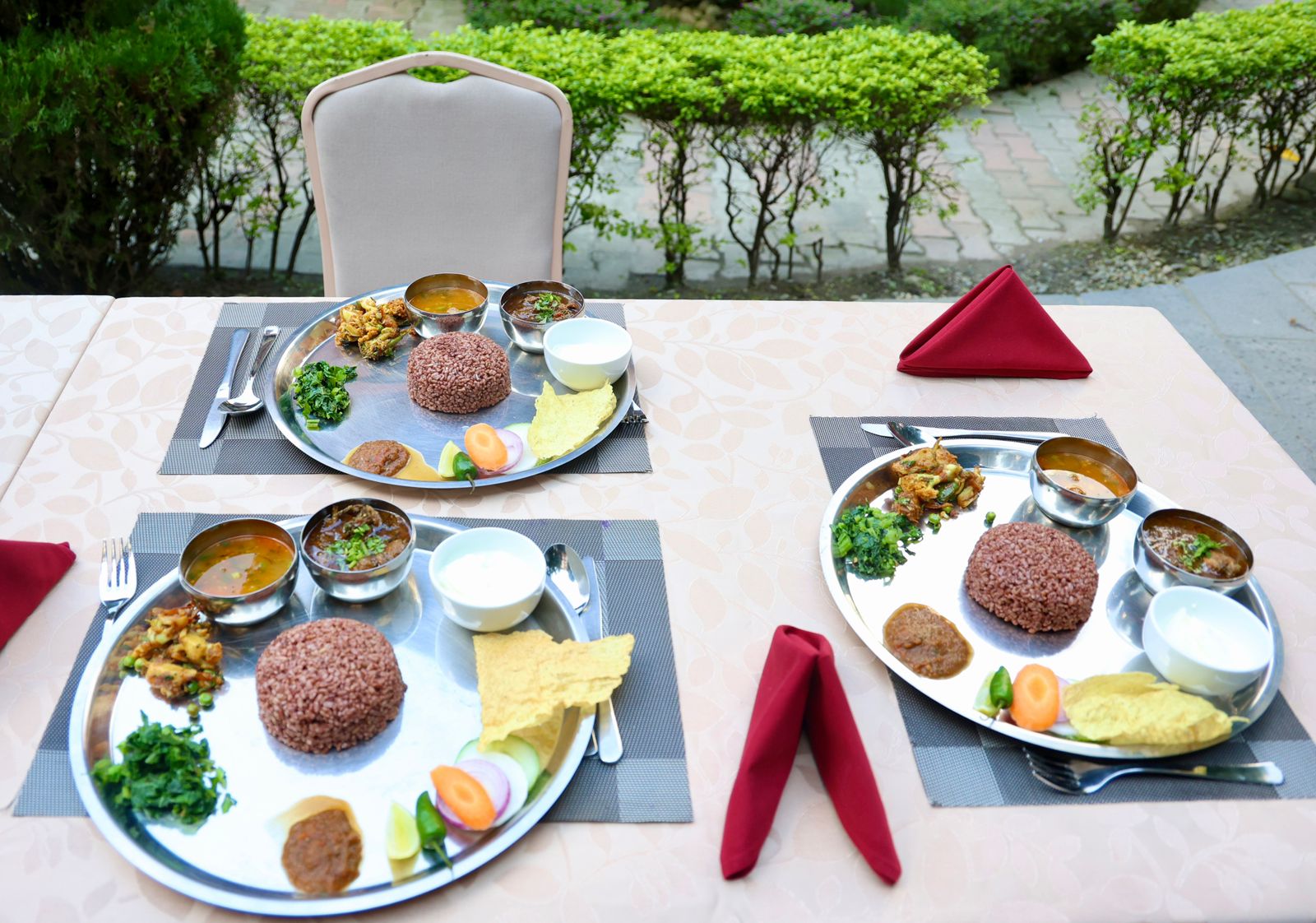
A few years ago, medical entrepreneur Durga Prasai hosted former Prime Ministers KP Sharma Oli and Pushpa Kamal Dahal ‘Prachanda’ at his home in Jhapa and served them Marshi rice. After the photo went public, Marshi rice became widely discussed. Now, using the branding of Marshi rice, a restaurant called “Marshi Thakali” is operating in Jhamsikhel, Lalitpur.
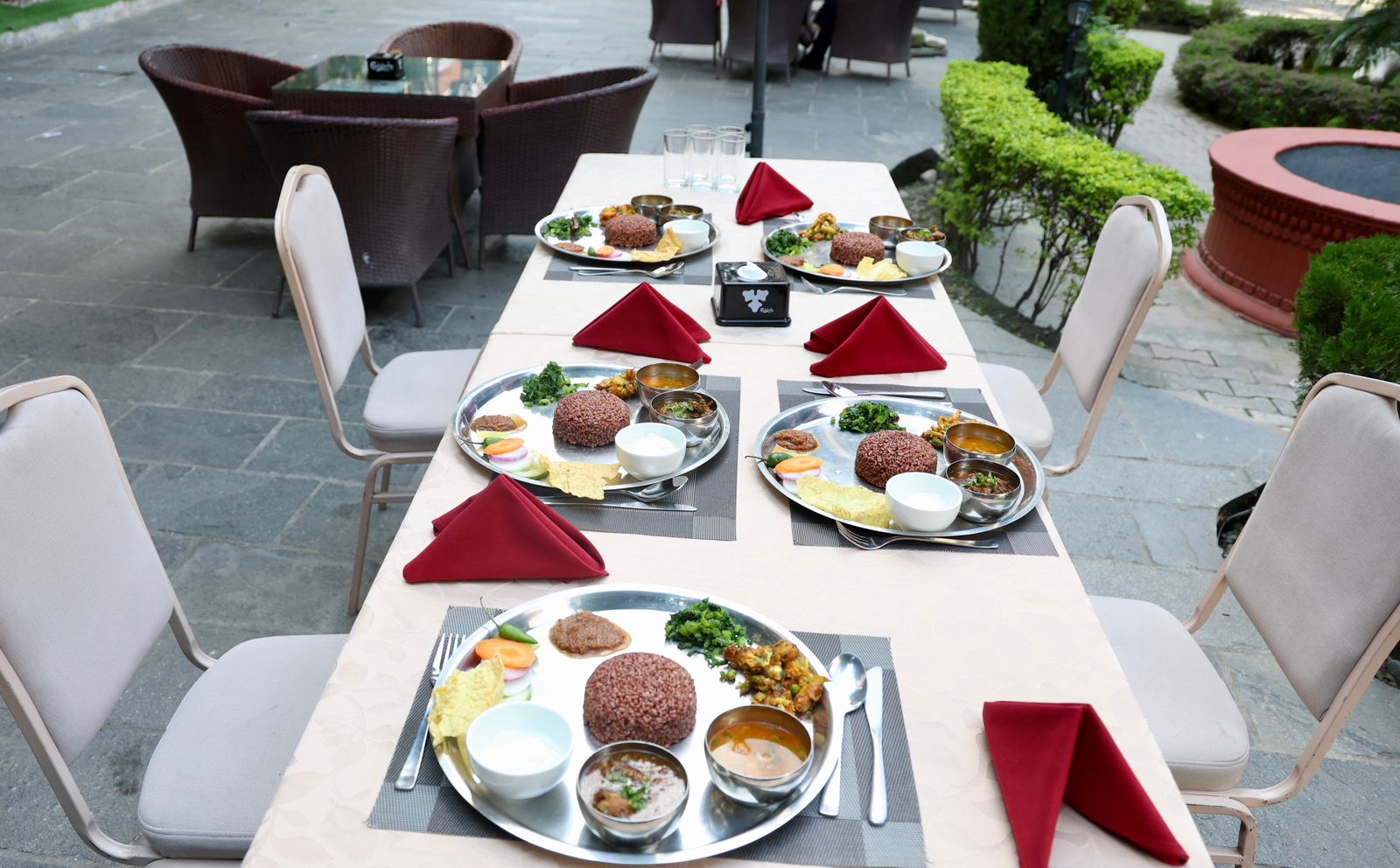
Marshi rice is a variety grown particularly in cold climates. Because of the cold environment, the rice becomes especially flavorful. According to restaurant operator Madhusudan Dhakal, their restaurant has “branded” this Himalayan rice and promoted it along with other local foods such as gundruk, pheasant, local duck, quail, Himalayan goat jerky, snails, and local chicken.
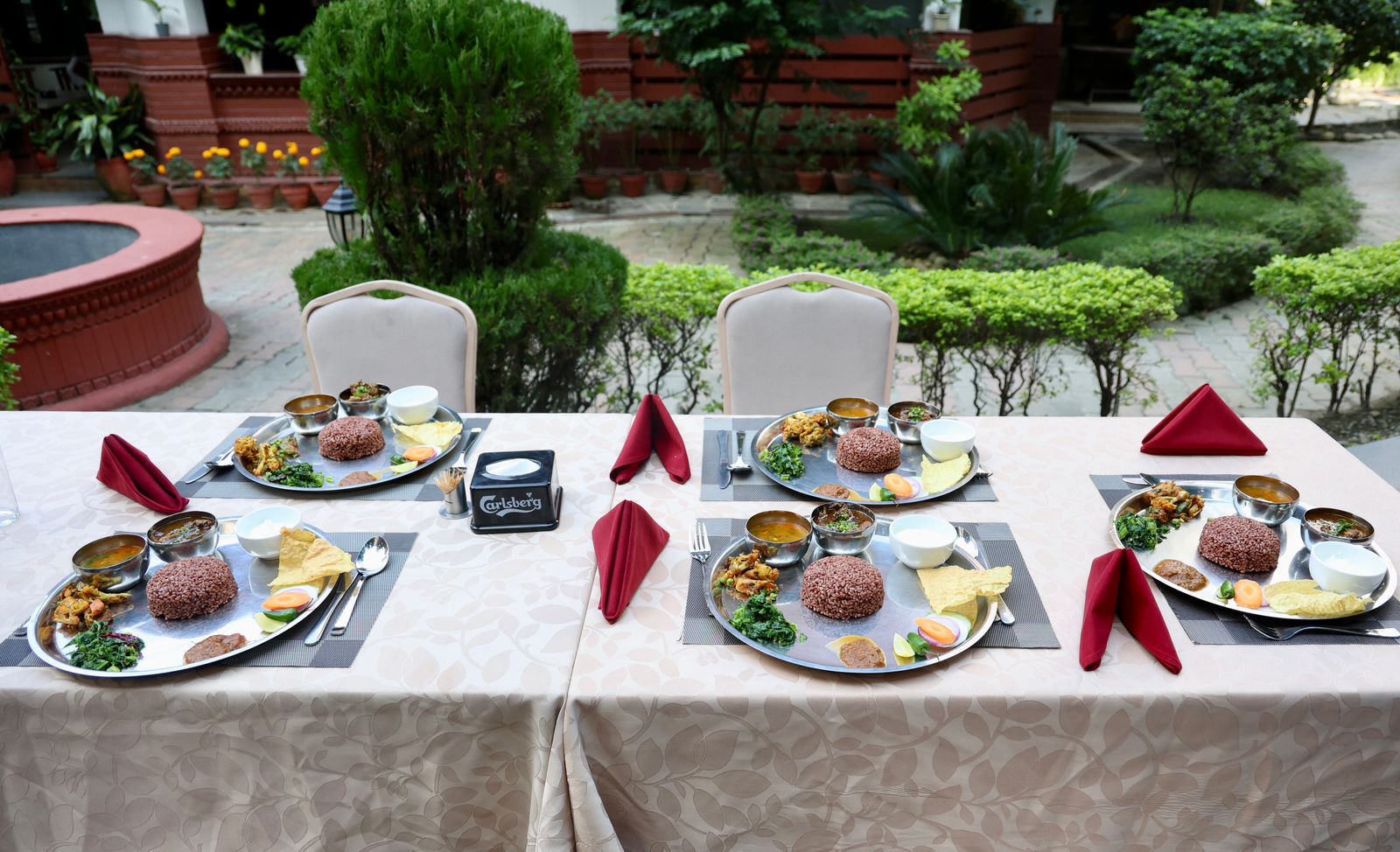
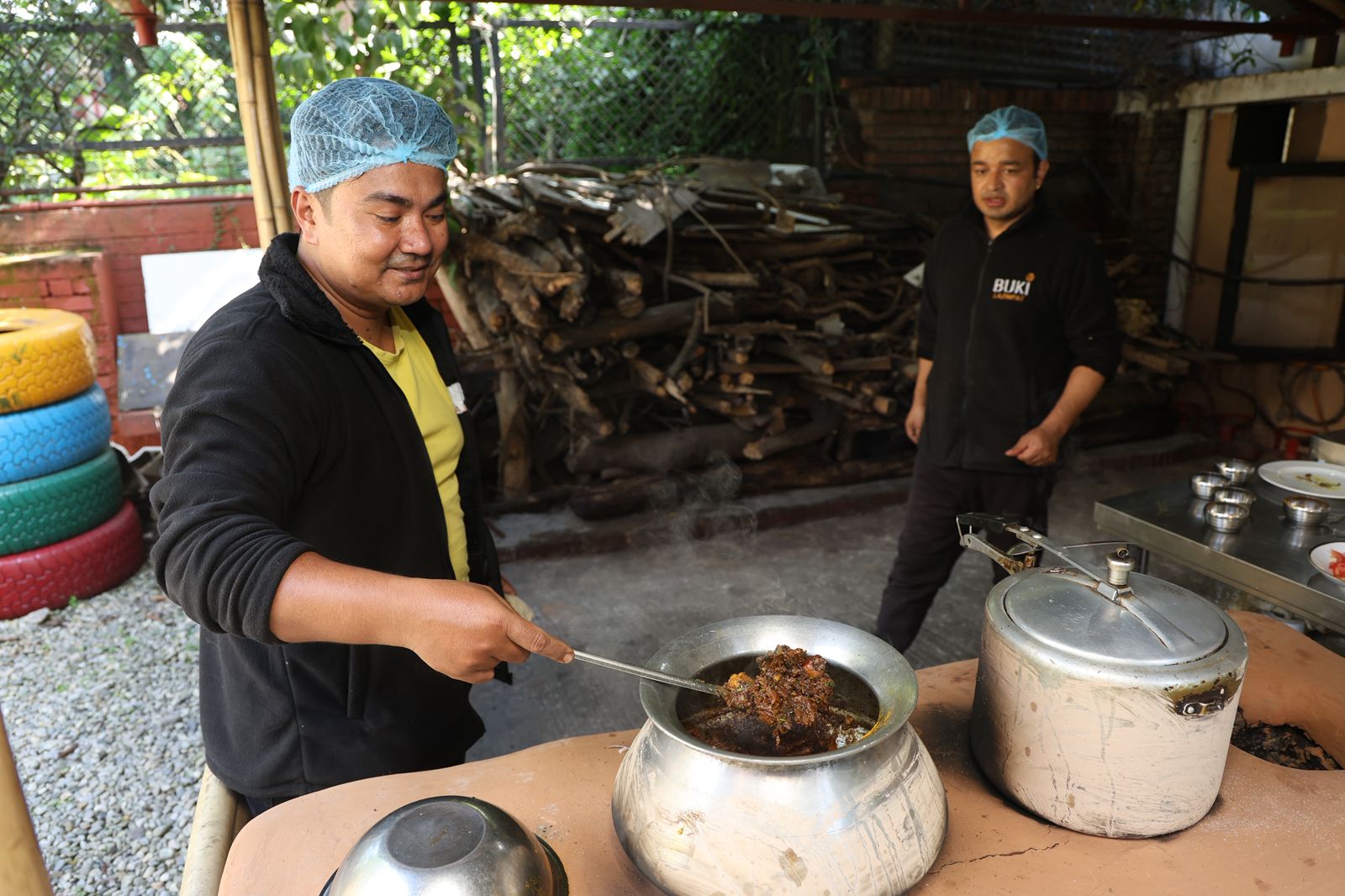
At Buki Boutique Hotel in Lazimpat, manager Manish Shrestha says that until a few years ago, people mainly visited hotels to eat rice, but now their preferences have changed drastically. Customers are now more attracted to local and indigenous foods. Even when they do want rice, they often request Marshi rice or similar indigenous varieties; otherwise, they prefer dhindo or other traditional foods.
For this reason, the hotel sources local products such as Marshi rice, local chicken, native beans and lentils, black gram, and leafy greens from surrounding villages. Every Saturday morning, the hotel hosts a market featuring Juneli beans from Jumla, Mustang potatoes, Jumli Marshi rice, buckwheat, and organic produce from Kathmandu’s outskirts.
Govinda Narasingh KC, former president of Chefs’ Association Nepal and advisor chef at Nagarjun Resort, also says the number of people eating traditional foods has grown significantly.
“In the past, only wealthy people went to hotels, and even then they preferred modern dishes over traditional ones. But today, people go to large hotels and ask for organic and indigenous foods. This shift is driven by increasing health awareness,” he says.
Having worked previously at Soaltee Hotel, KC recalls that vegetables used to contain little to no pesticides, so hotel food was healthier. He believes that widespread use of chemicals and fertilizers today—combined with news about their harmful effects—has raised public awareness. As a result, many Kathmandu residents now travel to hotels in surrounding hill areas like Nagarjun Resort specifically to enjoy traditional and local cuisine.
Pushkal Malla, operator of Royal Villa Resort in Danda Gaun, Kathmandu, has a similar experience. Many guests from the city visit his resort—located near the forests away from the crowds—to enjoy local and Nepali flavors.
“Recently, people’s interest in Nepali food has grown a lot. Guests—especially from Kathmandu—seek indigenous and organic foods such as dhindo, gundruk, nettle soup, buckwheat dishes, Marshi rice, and local chicken curry. Typical Nepali meals have become very popular,” he says.
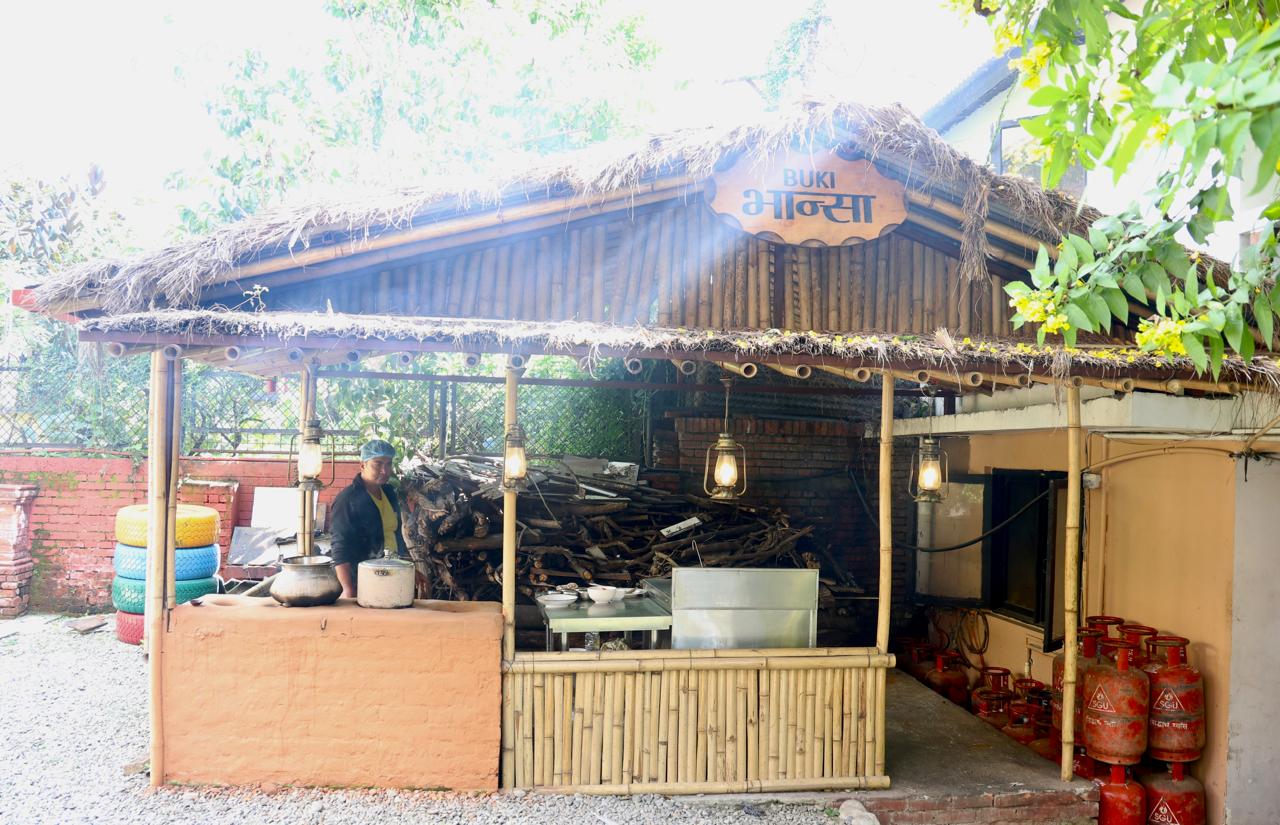
In recent years, many hotels and restaurants have opened not inside the dense city but in the outskirts. These establishments receive a high number of guests, according to their operators.
Beyond Kathmandu, major tourist areas like Pokhara have also embraced indigenous cuisine. Restaurants such as Airport Thakali near the Pokhara airport, Mantra Thakali in Chipledhunga, Monalisa Thakali in Lakeside, Bhandari Bhansa Ghar in Naudanda, and places like Pate Dhindo Thakali and Bajeko Machha Mahal in Bharatpur offer varieties of local and indigenous dishes to food enthusiasts. #nepal #food