


Kathmandu, Dec 5: The first national conference on invasive species is being organised in Nepal in the third week of December. The event aims to review the diversity, distribution, impacts and policy status related to invasive species in the country.
Scheduled to take place in Kathmandu on December 12–13, the conference is expected to raise awareness among relevant stakeholders about global and national issues concerning invasive species.
The theme of the event, organised by the Forestry Research and Training Centre under the Ministry of Forests and Environment, is “Building Consensus for the Control of Invasive Species.”
The conference is expected to support the goals outlined in the National Invasive Species Management Strategy and Action Plan.
According to Dr Rajendra KC, Director General of the Centre, invasive species are becoming a growing challenge in Nepal as climate change and other environmental pressures reshape ecosystems. Current records show that 29 types of invasive plant species have spread across the country, restricting the growth of native plants and blocking sunlight.
Invasive species are capable of surviving in extremely harsh conditions. They cause considerable damage to agriculture and are among the major drivers of wildfires during drought periods. It is believed that invasive species began entering Nepal around 200 to 250 years ago.
The first national conference on invasive species is being organised in Nepal in the third week of December. The event aims to review the diversity, distribution, impacts and policy status related to invasive species in the country.
What are invasive species?
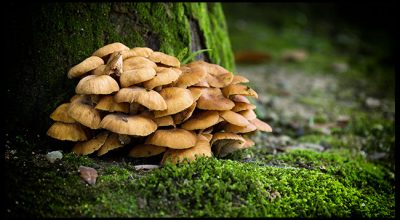
An invasive species is a non-native organism (plant, animal, or microbe) that can cause harm to an ecosystem, economy, or human health. According to scientific journalists, these species thrive and out-compete native organisms for resources, and are considered a major threat to biodiversity, second only to habitat loss. They often lack natural predators in their new environment and can spread rapidly. #nepal #species