


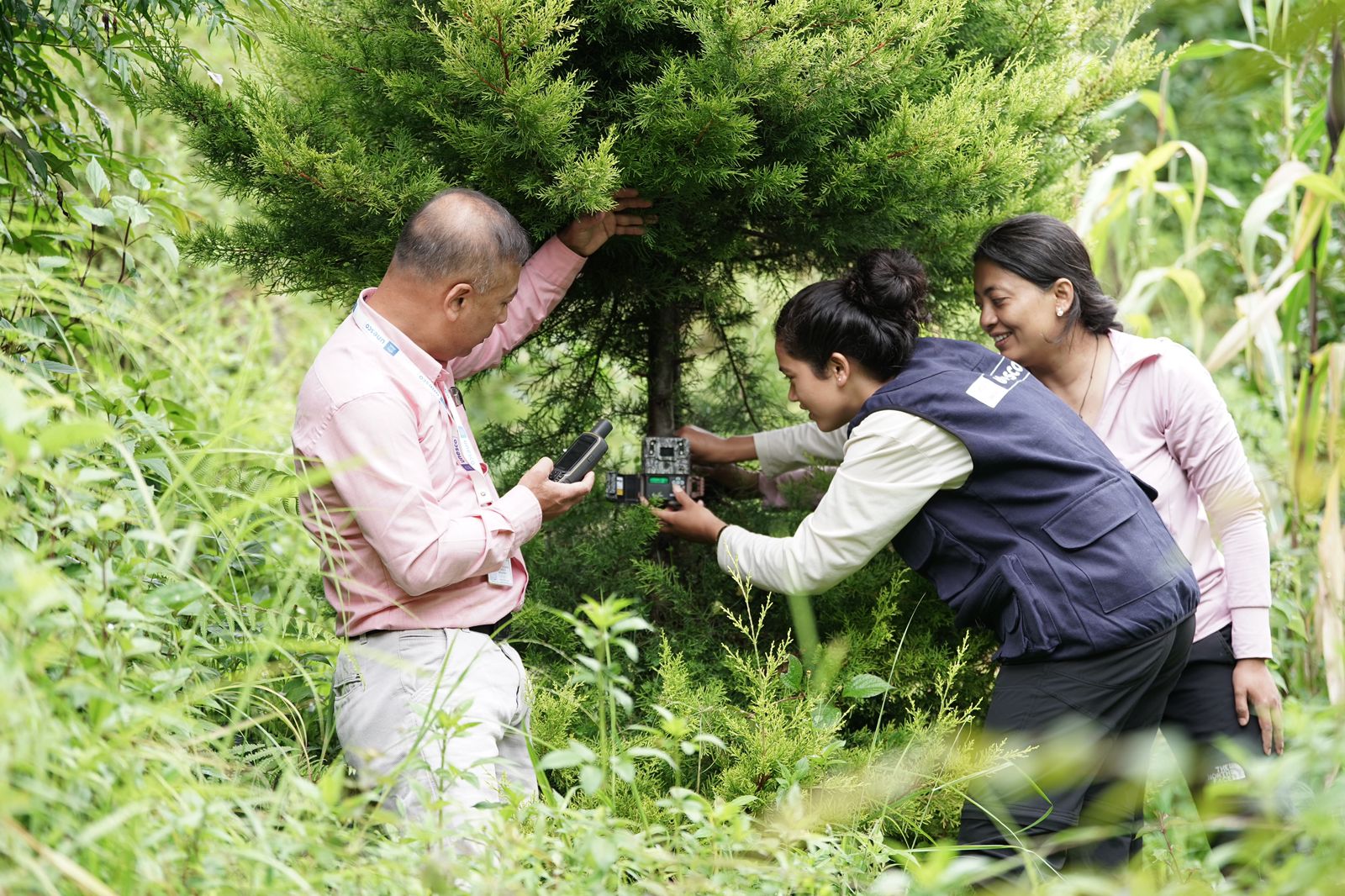
Kathmandu, July 17: The biodiversity monitoring has begun with the installation of camera trap and GPS device in Taplejung.
In collaboration with the Kanchenjunga Conservation Area Management Council (KCAMC) and the Samriddha Pahad, UNESCO began the installation of trail cameras and GPS devices in Kanchenjunga Conservation Area (KCA).
These installations are taking place from July 16 to 19 in Tapethok, Hellok, and Lelep. The initiative aims to integrate modern scientific methods with indigenous knowledge to improve information collection on biodiversity and support real-time ecological monitoring, according to a press release issued by UNESCO Nepal.
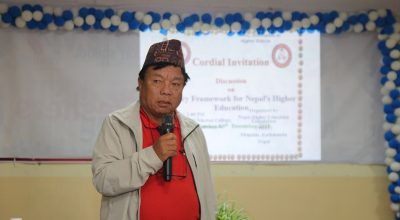
Before the camera and GPS installations, a two-day capacity-building training was organized in Lelep on July 14-15. This workshop stressed encouraging the participation of local communities and engagement in environmental supervision within the KCA. It also improved the skills of local indigenous people and communities, including school students and other local stakeholders, in biodiversity conservation.
Participants also received hands-on experience in handling and setting up modern scientific devices. Speaking of their ongoing conservation efforts, Khagendra Phembu Limbu, Chairperson of the Kanchenjunga Conservation Area Management Council (KCAMC), highlighted their aim to identify biodiversity hotspots and potential pocket areas for conservation.
“We are interested in the designation of a UNESCO Biosphere Reserve and plan to conduct local awareness programmes to promote its significance.
We hope to receive support toward gaining international recognition, which would play a vital role in the protection and sustainable conservation of this unique conservation area. Additionally, training activities such as the use of trail cameras will strengthen the knowledge and capacity of indigenous communities in monitoring local biodiversity,” added Limbu.
During the workshop, the concept of a Biosphere Reserve was also introduced to the participants. This session raised awareness about the importance, objectives, nomination process, and possible benefits of KCA receiving a Biosphere Reserve designation under UNESCO’s Man and the Biosphere (MAB) Programme.
The Biosphere Reserves are living laboratories where conservation, sustainable development, and scientific researches are integrated to create a harmonious relationship, bringing a balance between the conservation of biodiversity and its sustainable use by local communities.
During the workshop, Prof Dr Hari Prasad Aryal UNESCO MAB committee member, NATCOM highlighted the importance of integrating local knowledge with scientific tools to address biodiversity challenges in high-altitude ecosystems like KCA.
“It was encouraging to witness the strong participation of indigenous communities in the workshop. Their innate understanding of nature, and their commitment to protecting wildlife, soil integrity, and water resources, stands as a model for sustainability. We must listen, learn, and act with humility and respect for the wisdom of these guardians,” added Prof Aryal.
Moreover, this initiative supports KCA’s long-term vision of securing international recognition through the IUCN Green List, a global campaign for successful nature conservation and eventual designation as a UNESCO Biosphere Reserve, aligning with the goals of the Kunming-Montreal Global Biodiversity Framework.
This framework is designed to help achieve global sustainable development goals building upon earlier conservation strategies and outlines an ambitious path towards a global vision of a world living in harmony with nature by 2050.
“For UNESCO, the ongoing initiatives at Kanchenjunga are not merely about protecting nature. It is about valuing local people, their indigenous knowledge, and their sustainable livelihoods. Here in the Kanchenjunga Conservation Area, our collaborative efforts and actions strongly resonate with the very essence of UNESCO’s overarching mission,” says Jaco Du Toit, UNESCO Representative to Nepal.
The activities are key components of the “Strengthening Community Engagement for Biodiversity Conservation in the Kanchenjunga Conservation Area” project, funded by the Kunming Biodiversity Fund (KBF). By improving local capacity, promoting knowledge exchange, and enabling practical engagement with scientific tools, this project represents a significant step toward more resilient, community-driven biodiversity management in one of Nepal’s most ecologically rich landscapes.
This collaborative effort emphasizes a shared commitment to safeguarding the Kanchenjunga Conservation Area is unique biodiversity for generations to come. By fostering a powerful synergy between modern technology and invaluable local knowledge, this initiative sets an example for community-led conservation, paving the way for a more sustainable future for similar ecosystems in Nepal.
It also highlights the transformative potential of combining global expertise with local dedication and knowledge to address pressing current environmental challenges.#nepal #GPS device #rss