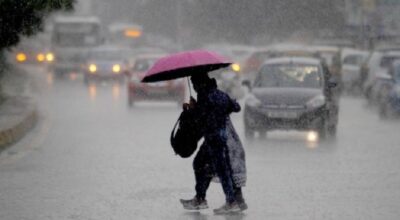



Kathmandu, June 17: The monsoon, which usually arrives in Nepal in June 13 every year, has not yet arrived.
The arrival of the monsoon has been delayed by four days already due to the weather system developed in the Pacific Ocean and the influence of the westerly winds.
Based on the analysis of weather forecasts conducted by the Department of Hydrology and Meteorology, the arrival of the monsoon is expected to be delayed by a few more days.
Department Spokesperson Bibhuti Pokharel said that El-Nino has developed in the Pacific Ocean and is still strengthening, which is likely to affect the arrival of the monsoon in Nepal and weaken the monsoon in South Asia as a whole.
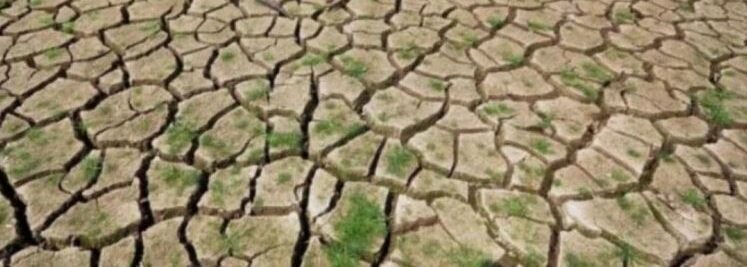
The Department has also projected that Nepal will receive less than average rainfall, resulting in rise in temperature during the monsoon period.
According to the department, there is a 55 to 65 percent chance of less than average rainfall in the southern parts of Karnali Province, most areas of Lumbini Province, eastern parts of Madhes Province and southern areas of Koshi Province this year.
Similarly, the department has stated that there is a 45 to 55 percent chance of below-average rainfall in most parts of the Sudurpaschim Province, the western part of the Madhes Province and the Koshi Province.
The northern part of the Karnali and Koshi Provinces is said to have a 35 to 45 percent chance of below-average rainfall. The department estimates that most of the remaining areas have a 35 to 45 percent chance of below-average rainfall.
Regarding maximum temperatures, the department has stated that there is a 55 to 65 percent chance of above-average temperatures in various parts of the country.
Similarly, the department has concluded that the minimum temperature is also likely to be above-average across the country.
Sujan Subedi, in-charge of the Department’s Weather Analysis Branch, said that monsoon is the most sensitive weather system in Nepal and about 80 percent of the annual rainfall occurs during the monsoon period.
Nepal usually has a four-month monsoon period from early June to early September.
Meanwhile, Joint-spokesperson and senior agricultural economist at the Ministry of Agriculture, Forest and Environment, Lal Kumar Shrestha, expressed concern that the late arrival of the monsoon could affect the paddy crop in the country.
Since majority of the paddy transplanted in the country is dependent on rainwater due to the lack of good irrigation facilities, if the rainfall is less or delayed, it can affect paddy plantation and subsequently lead to reduced production.
Shrestha suggests adopting weather-adapted farming systems to minimize the impact on agricultural production due to the climate change and possible low rainfall. #nepal #rss