


Devi Pyakurel
After the devastating earthquake in Jajarkot, livelihood activities in Nalgad Municipality have been gradually recovering. The majority of the population depends on agriculture, with Ward No. 4 alone having more than 400 households, about 80 percent of which rely on farming. However, most farmers continue to use traditional agricultural practices. As a result, many households produce enough food for only about six months of the year, forcing people to engage in seasonal migration to supplement their income.
Farmers in the area are currently facing multiple challenges linked to climate change, including unseasonal rainfall, fluctuating temperatures, strong winds, prolonged drought, and landslides. In addition, there has been an increase in crop diseases, pests, and livestock-related issues, further affecting agricultural productivity and livelihoods.
INF Nepal is implementing the Jajarkot Earthquake Recovery Project in Ward No. 4, focusing on sustainable livelihoods, improved WASH (Water, Sanitation, and Hygiene) facilities, enhanced nutrition, and building community resilience.
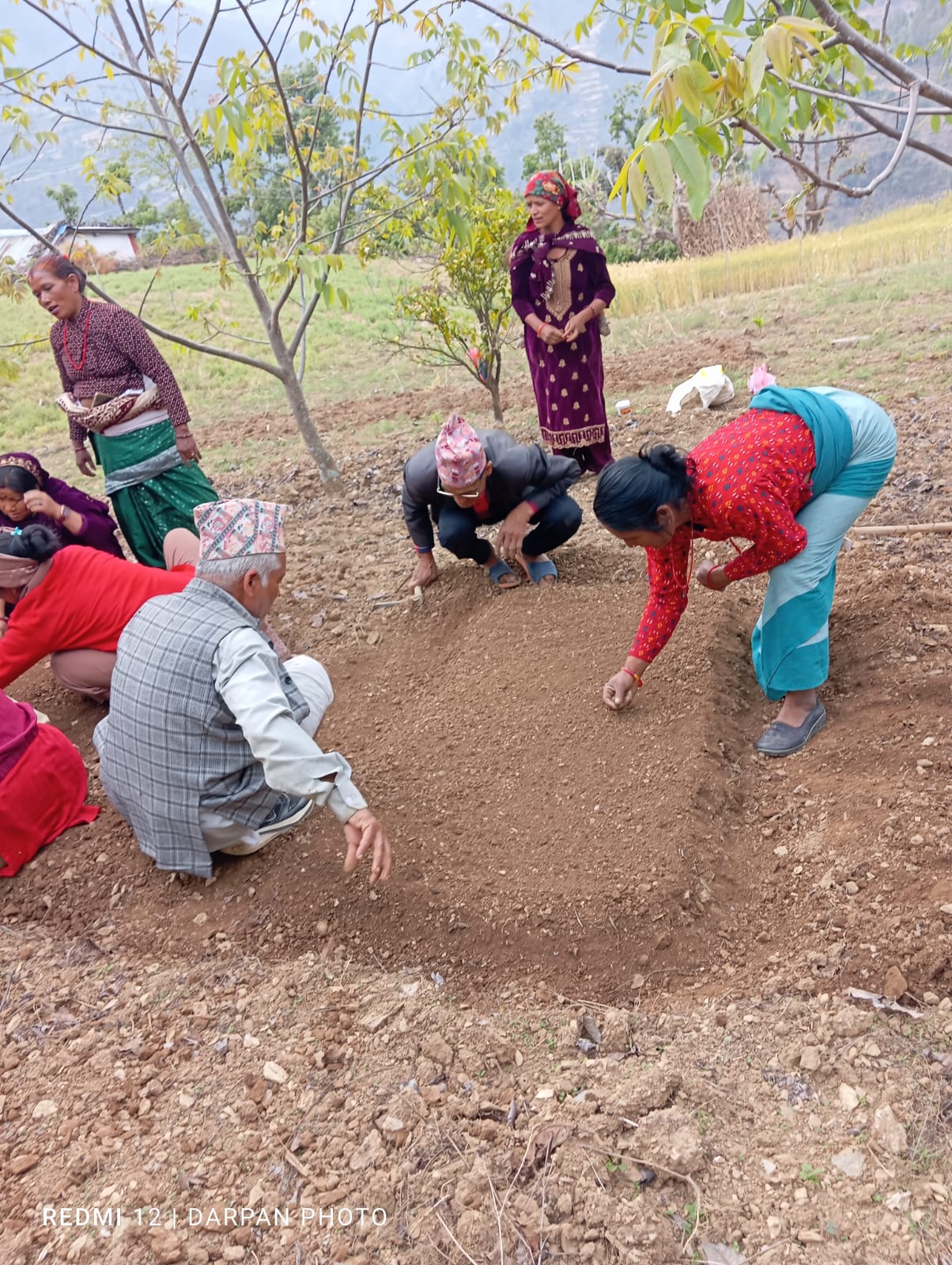
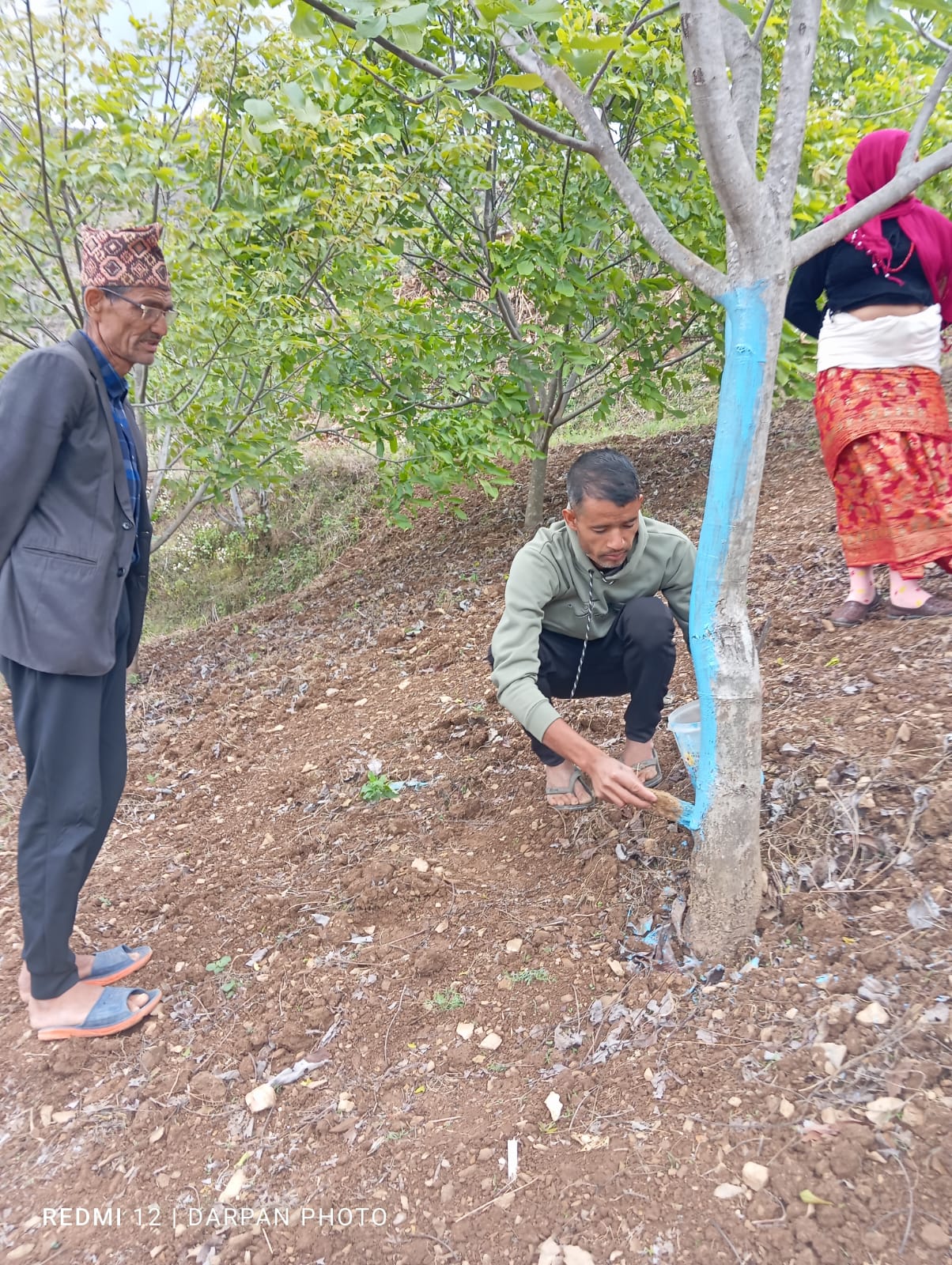
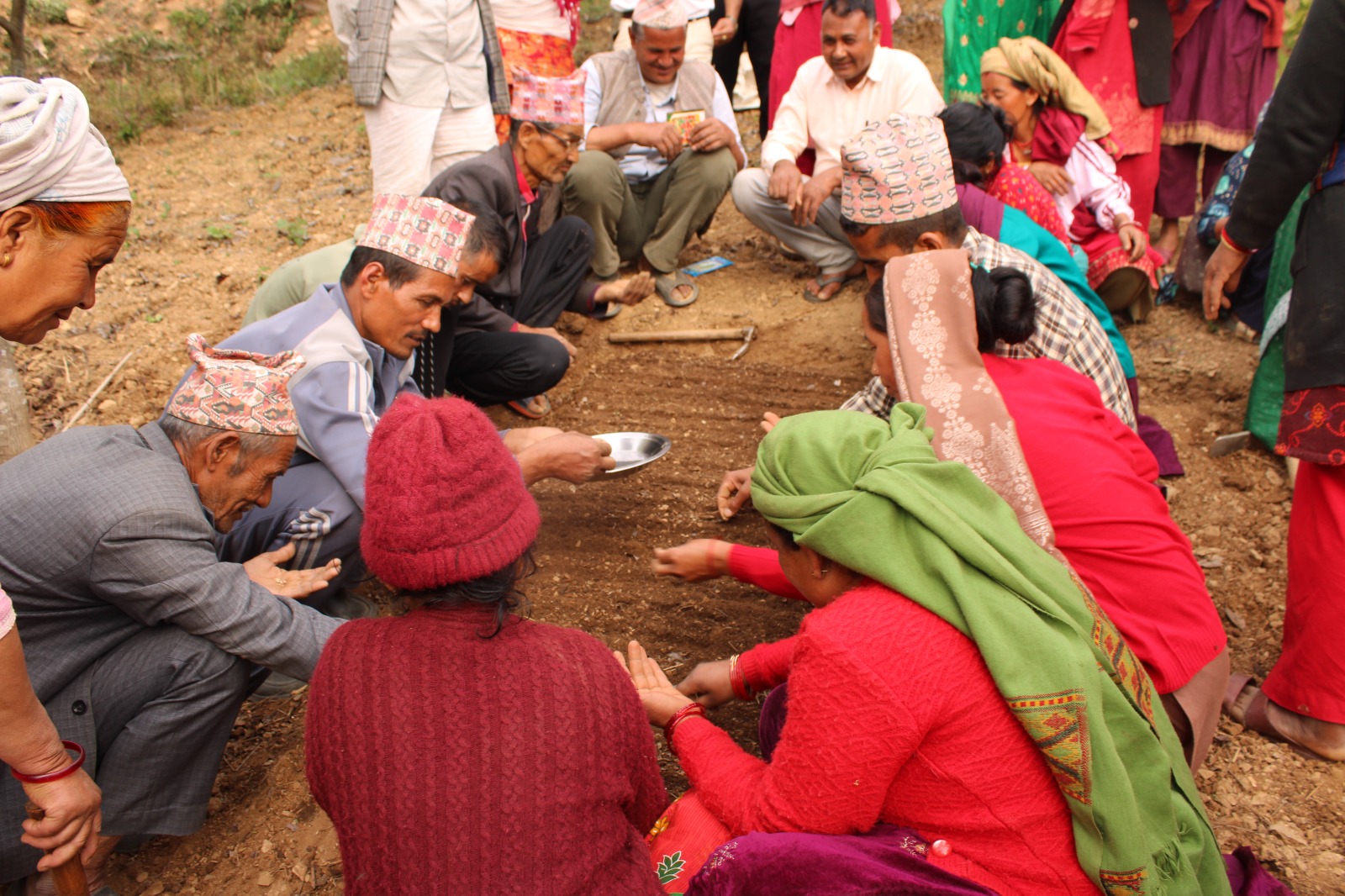
As part of the project, farmer groups have been formed and strengthened. Following this, a three-day training on high-value crops was conducted for 29 selected farmers (8 male and 20 female), along with the establishment of demonstration plots involving four selected farmers. The training took place from April 3 to 5, 2026, at the Ward Office in Khalchaur, Nalgad-4, Jajarkot.
The training was designed and facilitated by the Municipality’s Agriculture Section. Participants were trained on various aspects of high-value crop production, from seed selection to cultivation and management practices suited to the local context. They also gained practical knowledge and skills in Integrated Pest Management (IPM), use of the GeoKrishi app, soil sample collection techniques, preparation and use of biopesticides, and nursery establishment with field-based practices.
This training aims to build the capacity of targeted households to cultivate high-value crops, based on findings from a livelihood assessment. The assessment is expected to identify and recommend suitable high-value crops for the communities to support livelihood recovery.
Furthermore, the project has supported farmer groups in developing their agricultural plans and will provide seeds to help increase production and income.