


Gulmi, May 5: A long-discussed plan to harness the hydropower potential of the Badigad River is finally moving forward, bringing renewed optimism to local communities.
The Ministry of Energy Water Resources and Irrigation, in coordination with the Department of Electricity Development, has initiated the Lower Badigad Hydropower Project—a reservoir-based scheme with a proposed capacity of 237.2 megawatts.
Despite the river’s strong hydropower potential, the project had remained stalled for years. Following the establishment of local governments, Musikot Municipality and Satyawati Rural Municipality had explored alternative uses such as rafting, but long-term development plans had yet to materialise.
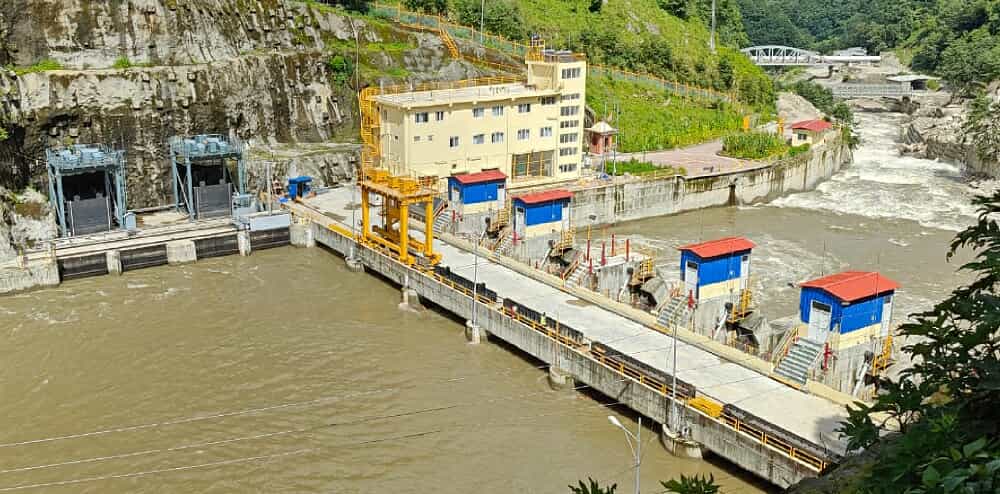
The powerhouse will be constructed on the right bank of the Kaligandaki River, approximately 750 metres downstream from its confluence with the Badigad River.
The new project marks a significant turning point. The plan includes construction of a 195-metre-high dam, to be located around 700 metres upstream from the confluence of Lumdi Khola and the Badigad River. The site lies along the border of Satyawati Rural Municipality–4 and Rurukshetra Rural Municipality–6.
According to Yadav Dhungana, Senior Administrative Officer at Hydro Consult Engineering in Kathmandu, the project will also feature a 3.1-kilometre tunnel and a powerhouse near Rudrabeni Bazaar in Rurukshetra–2.
As a reservoir-based project, it is expected to submerge significant areas across multiple local units, including Chhatrakot Rural Municipality, Gulmidarbar Rural Municipality, Rurukshetra, Resunga Municipality, Musikot, Chandrakot Rural Municipality, and Satyawati. Authorities have begun collecting data to determine compensation for affected residents.
An Environmental Impact Assessment (EIA) report is currently under preparation. Public hearings have already been conducted in line with the Environment Protection Act (2019) and Environment Protection Regulations (2020).
With an estimated budget of Rs. 125 billion, the project is expected to be completed within five years. Officials believe it will significantly boost regional development.
In parallel, another hydropower project is being prepared at Barlwa in Kaligandaki Rural Municipality–7, covering areas of Gulmi, Parbat, and Baglung districts.
According to Dron Bahadur Khatri, Chief of the District Coordination Committee, the two projects together could generate around Rs. 150 million annually for local governments.
As preparations move ahead, residents are increasingly hopeful that the long-awaited utilisation of the Badigad River will bring economic growth, infrastructure development, and new opportunities to the region. #Nepal