


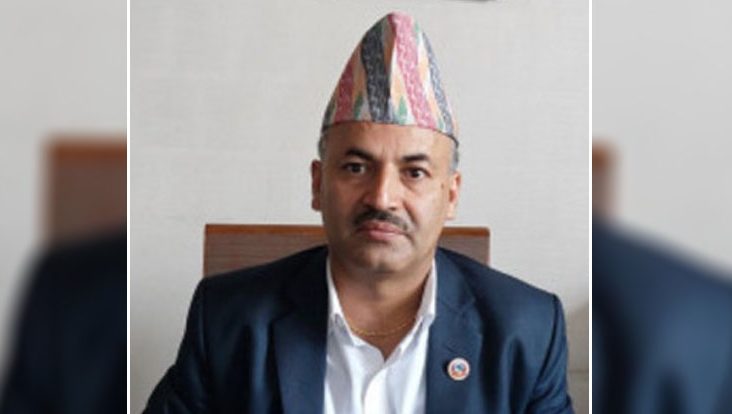
Kathmandu, Dec 11: The Commission for the Investigation of Abuse of Authority (CIAA), the constitutional body to investigate corruption cases in Nepal, has filed a corruption case against Joint Secretary Tirtha Raj Bhattarai, including Section Office Yagya Aryal and four others for allegedly running an illegal racket that extorted money from Nepali citizens travelling abroad on visit visas.
The CIAA lodged the case against Bhattarai, who was then the chief of the Immigration Office at Tribhuvan International Airport, along with five additional officials.
The visit visa scam surfaced after the CIAA arrested Joint Secretary Bhattarai on March 20, 2025. He was apprehended following continuous surveillance by the CIAA.
The name of then Home Minister Ramesh Lekhak had also surfaced in this case. Bhattarai was reportedly deployed to the airport under the minister’s plan and “setting”, enabling the operation of the extortion racket. Following the revelations, opposition lawmakers from the Maoist Centre and the Rastriya Swatantra Party (RSP) had obstructed House of Representatives proceedings demanding Home Minister Lekhak’s resignation.
Questions were also raised regarding the roles of then Home Secretary Gokarnamani Duwadi and Chief of the Personnel Administration Division at the Home Ministry, Chhabi Rijal, among other officials.
What is the Visit Visa Scam?
Nepalis traveling abroad on visit visas were required to meet various criteria, including maintaining sufficient bank balance and presenting hotel bookings for their destination country. Only those who met these requirements were to be cleared for departure by immigration officials.
However, several immigration officials, in collusion with manpower agencies and human trafficking networks, were allegedly collecting illegal payments and allowing only those backed by pre-arranged “settings” to travel. Despite Bhattarai’s controversial record, the Home Ministry had assigned him to the Immigration Office.
Information reaching the CIAA indicated that immigration officials had created a systematic mechanism for collective extortion, recording details of travellers sent through these arrangements and collecting money accordingly.
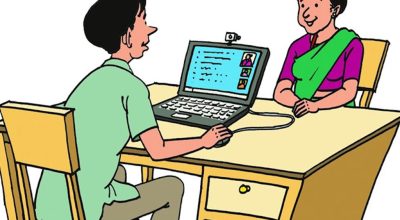
After Ramesh Lekhak assumed the role of Home Minister, the illegal operation reportedly continued with greater protection, prompting the CIAA to intensify surveillance. Investigators later found that a committee had been formed to distribute bribes and that dedicated software had been developed to keep financial records.
Even during the ongoing investigation, reports surfaced that youths were being sent abroad through the same “setting” process, leading Maoist lawmakers—who had been obstructing Parliament over the issue—to eventually soften their stance.
Under then Prime Minister KP Sharma Oli, the government had formed a probe committee led by former Chief Secretary Shankardas Bairagi to study the visit visa issue. Although the committee submitted its report, it has not been made public. #nepal #corruption