


Jajarkot, June 30: Local governments in Jajarkot have come under criticism for failing to allocate budgets for heritage conservation, raising concerns about the continued neglect of cultural and historical sites with significant tourism potential.
Heritage preservation has received little attention in the annual budgets presented by the district’s local governments. Of Jajarkot’s seven local levels, six have not allocated any funds for the conservation of cultural and historical heritage, leaving many important tourist destinations vulnerable to further deterioration.
Although local governments are responsible for protecting heritage sites within their jurisdictions, they have failed to provide adequate financial resources for conservation. As a result, several historical, religious, and cultural sites are gradually deteriorating and face the risk of disappearing altogether.
More than a dozen tourist destinations across the district have reportedly been neglected due to the lack of government priority. While infrastructure development in remote communities remains essential, local residents argue that preserving heritage and tourism sites should receive equal attention, particularly in geographically isolated areas.
Chandra Bahadur Oli of Bheri Municipality–6 expressed concern over the absence of funding for tourism conservation in the municipality’s annual budget. He said the neglect of tourism destinations, which have the potential to connect rural communities with urban centres and generate economic opportunities, has hindered the overall development of the district.
According to Oli, inadequate government investment has prevented the conservation and promotion of several important heritage sites, including Machhaina Malika Temple in Bheri Municipality–6, Shivalaya Temple in Ward No. 1, Sangta Cave in Ward No. 2, Bayu Ghatta in Bheri Municipality–11, the historic Jaktisihko Durbar, Bhumeshwor Cave, Kalika Temple in Bheri Municipality–4, Suyada Malika in Chhedagad Municipality–2, Falm Malika Cave, a 300-year-old stupa and monastery (Gumba) in Ward No. 8, Masta Temple in Paik, Saikubari in Barekot Rural Municipality, Thakurji Lake, and the district’s historic Iron Mine.
The continued neglect of these sites has limited tourism development and prevented local communities from benefiting from tourism-related employment and income opportunities.
Machhaina Malika Temple Remains Neglected
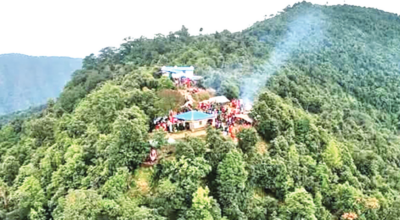
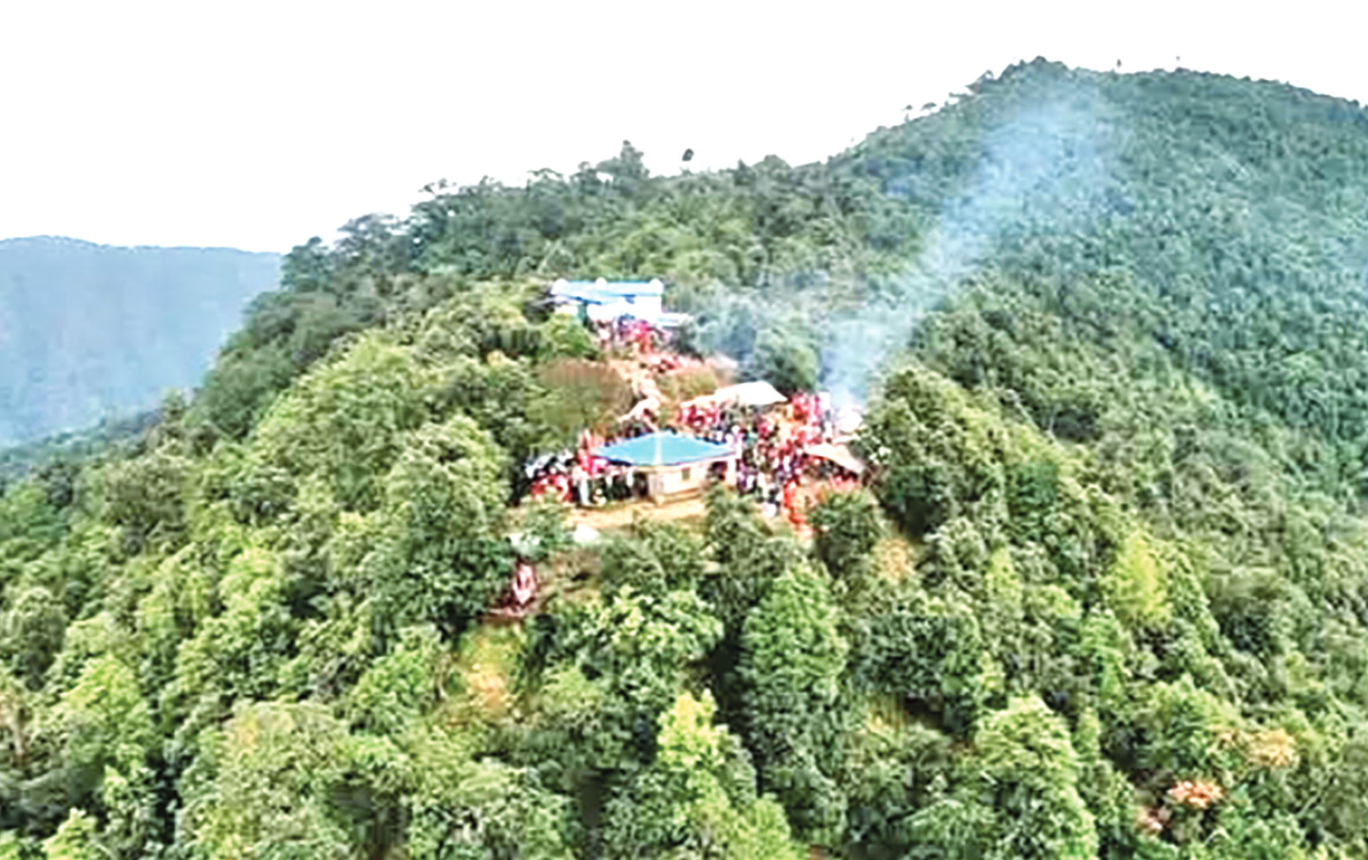
According to local legend, Malika of Machhaina in Bheri Municipality–6 and Manakamana of Gorkha are believed to be two sisters. While Manakamana Temple has gained national recognition following years of investment in infrastructure and conservation, the historical and religious significance of Machhaina Malika Temple has gradually declined due to a lack of government support.
Local residents believe that although the younger sister, Manakamana, who is said to have left Machhaina, has become one of Nepal’s most famous pilgrimage destinations, the elder sister, Malika, has remained largely forgotten because of inadequate conservation efforts.
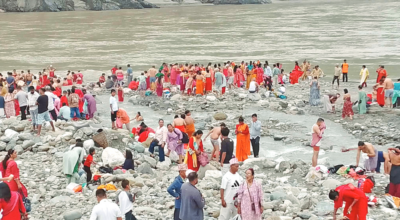
Every year, devotees visit the Malika Temple during Chaturdashi and Purnima to offer prayers and seek blessings. However, because of poor road connectivity and the lack of basic tourist infrastructure, most pilgrims travel to the temple in the morning and return home the same day.
Local residents argue that investing in heritage conservation, road access, visitor facilities, and tourism promotion could significantly increase visitor numbers, preserve Jajarkot’s cultural heritage, and create sustainable economic opportunities for rural communities.