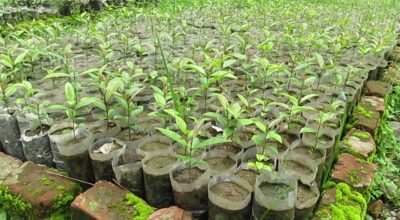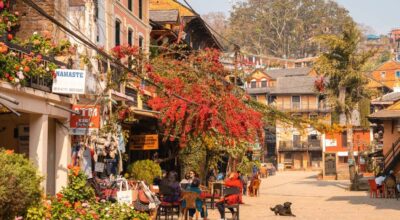



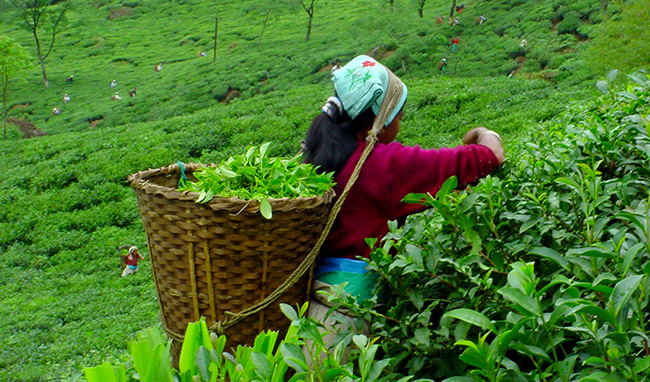
Kathmandu, Aug 1: Nepal, celebrated worldwide for its majestic mountains and rich cultural heritage, holds another hidden treasure that often goes unnoticed tea. Grown in the lush hills of Ilam, Panchthar, Jhapa, and Dhankuta, Nepali tea is increasingly recognized for its unique high-altitude flavor and organic appeal. Yet, despite its quality and growing global demand, tea remains one of Nepal’s most underutilized economic opportunities.
For Nepal, boosting the import and export of tea is about far more than selling leaves overseas. It is about strengthening foreign reserves, creating rural jobs, replacing needless imports, and establishing Nepal as a boutique tea-processing and branding hub in South Asia. In an age of sustainable trade and niche products, tea can be the green catalyst that brews global growth for Nepal.
Nepal’s Tea: A Boutique Brand Waiting to Bloom
Tea has been cultivated in Nepal since the 19th century, but it is only in the past few decades that it has gained recognition beyond local markets. Today, Nepal produces around 27 million kilograms (27,000 metric tons) of tea annually, with a steady year- on-year increase.
Tea in Nepal is classified into two primary types:
Orthodox Tea (6,000–7,000 metric tons): Handpicked, high-altitude varieties grown in Ilam, Dhankuta, Panchthar, and Tehrathum.
CTC (Crush, Tear, Curl) Tea (19,000–21,000 metric tons): Granular teas mainly produced in Jhapa, suited for mass-market and tea bags.
Within Orthodox tea, Nepal produces premium export-grade types such as:
• SFTGFOP1 (Special Finest Tippy Golden Flowery Orange Pekoe 1)
• FTGFOP (Finest Tippy Golden Flowery Orange Pekoe)
• TGFOP (Tippy Golden Flowery Orange Pekoe)
• FOP / OP (Flowery Orange Pekoe / Orange Pekoe)
In CTC tea, common grades include Broken Pekoe (BP) and Pekoe Dust (PD) known for their strong and brisk liquors.
Roughly 60–65% of Orthodox tea is exported to markets such as Germany, the United States, Japan, France, Australia, and other parts of Europe and Asia. Around 90–96% of CTC teas are exported to India, where they are blended and re-exported under Indian branding, a lost opportunity for Nepal’s brand value.
Despite its promise, Nepal’s tea sector contributes only about NPR 4–5 billion annually in export earnings, a small slice compared to the potential if value addition, branding, and new markets are unlocked.
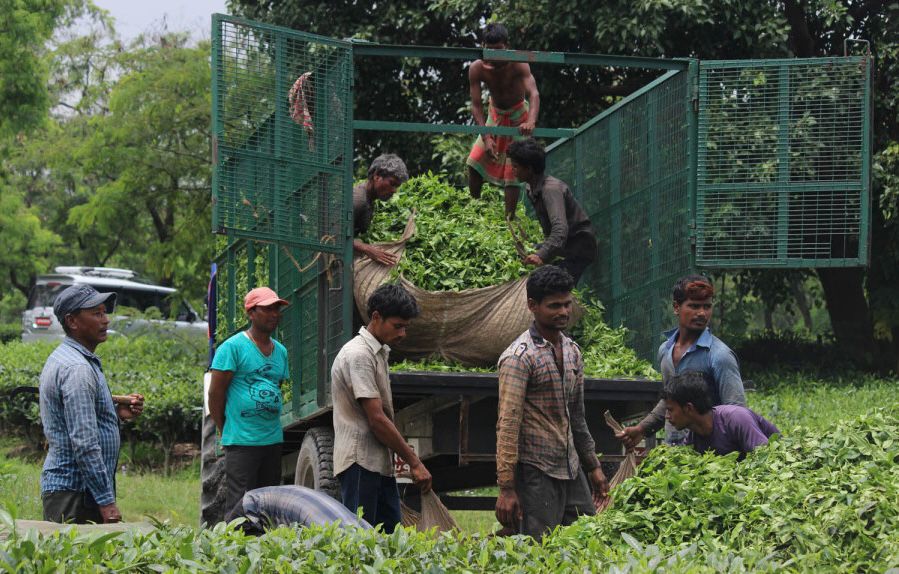
Processing: The Missing Link
One of the biggest missed opportunities is that much of Nepal’s tea is still exported in bulk, semi-processed, or even sold across the border to India, where it is repackaged and re-exported under other brand names. This means Nepal earns only a fraction of the final retail value.
By investing in modern tea processing, blending, flavoring, and packaging plants, Nepal can capture this lost value at home. Small tea factories, community-owned cooperatives, and private firms can produce finished, branded tea ready for supermarket shelves in Europe, Asia, or the Middle East — and increasingly, for local urban consumers too.
Nepal has over 68 large tea factories (30 Orthodox, 38 CTC) and more than 150 small-scale Orthodox tea processors. Some of the leading manufacturers and exporters include:
• Nepal Tea Development Corporation Ltd – the largest single exporter with around 22% market share
• Ilam Tea Producers Pvt. Ltd – significant Orthodox and specialty tea producer (16%)
• Nature Himalaya Tea Industries Pvt. Ltd – strong in specialty and organic blends (12%)
• Kanchenjunga Tea Estate – Nepal’s first organic-certified tea estate, known for white and premium teas
• Other key players: Star Tea Industries, Jagdamba Tea Processing, Tara Gaun Tea Estate, Siddhibinayak Tea Industries,
Samal Valley Tea Estate, and Parajuli Tea IndustriesSaving Foreign Exchange: Import Substitution
A lesser-known fact is that Nepal still imports specialty and flavored teas from herbal infusions to flavored green teas for hotels, restaurants, and urban buyers. This drains foreign exchange that could easily stay within the country.
Nepal imports small quantities mainly from India and nearby regional producers, especially to meet demand from Kathmandu-based hotels, cafes, and wellness outlets. Import volumes are relatively small but strategic reducing them can retain foreign reserves.
By producing its own flavored, herbal, or ready-to-drink teas, Nepal can replace imports and create new export lines at the same time. Himalayan herbs, local spices, and unique flavors can help craft signature Nepali blends that attract global niche buyers.
An Economic Engine in the Hills
Tea supports the livelihoods of 70,000–80,000 farmers, providing seasonal work and regular income for rural households, especially women. Tea estates and gardens are also becoming eco-tourism destinations. In Ilam and Panchthar, “tea trails” are emerging as sustainable travel experiences that combine agriculture, hospitality, and culture. While the sector’s direct contribution to GDP is still modest, less than 0.5%, its indirect impact on rural incomes, foreign currency earnings, and regional branding is far greater.
Riding the Global Wave
The global tea market is shifting rapidly toward premium, organic, and fair-trade products, with consumers willing to pay more for traceable, ethical supply chains. Demand for such teas has grown by around 5–6% per year (FAO, 2022).
Export Value by Country (2023):
• India: $23.2 million
• Germany: $617,000
• Japan: $311,000
• France: $244,000
• United States: $181,000
Other growing markets include: Australia, UK, Belgium, Netherlands, Czech Republic, China, Russia, UAE, Denmark, Switzerland, and Canada.
Countries like Sri Lanka and India have leveraged premium status by securing Geographical Indication (GI) for their tea regions. Nepal must do the same for Ilam Orthodox Tea to protect its identity and command better prices.
Beyond Trade: Diplomacy in a Cup
Tea is more than a drink; it is a powerful cultural and diplomatic tool. Countries like China, Japan, and Sri Lanka have long used tea as soft power. Nepal, too, can showcase its tea at embassies, trade expos, and international forums. Gifted as state souvenirs or promoted through “tea diplomacy,” Nepali tea can open doors, build networks, and tell the world a new story about Nepal’s green, sustainable economy.
What Must Change
Despite its promise, Nepal’s tea industry still faces hurdles:
• Limited brand recognition compared to Darjeeling or Ceylon tea
• Outdated processing units and poor packaging standards
• Costly and complex certification for organic and fair-trade labels
• Policy bottlenecks, including slow customs and lack of export incentives
• Over-reliance on the Indian market exposes Nepal to policy and price shocks. If Nepal wants to brew global success, it needs clear, coordinated action.
The Way Forward
To unlock tea’s true potential, Nepal must:
• Invest in modern processing, blending, and packaging plants to boost quality and value
• Secure Geographical Indication (GI) status for Ilam and other unique tea regions
• Provide subsidies and training for organic cultivation and fair-trade certification
• Promote tea through embassies, trade fairs, and digital marketplaces to reach global niche buyers
• Support domestic innovation so Nepali tea replaces imports in hotels, cafes, and homes
• Encourage eco-tourism centered on tea gardens, linking agriculture, tourism, and rural development.
Conclusion
Nepal’s tea is far more than a warm cup, it is an opportunity waiting to be brewed into jobs, export earnings, global recognition, and rural transformation. With thoughtful branding, smart investment, and supportive policy, the humble tea leaf could stand proudly alongside mountains and temples as a new symbol of Nepal’s sustainable international business.
It is time for Nepal to serve the world its finest cup and sip the sweet success of green growth. #Nepal