


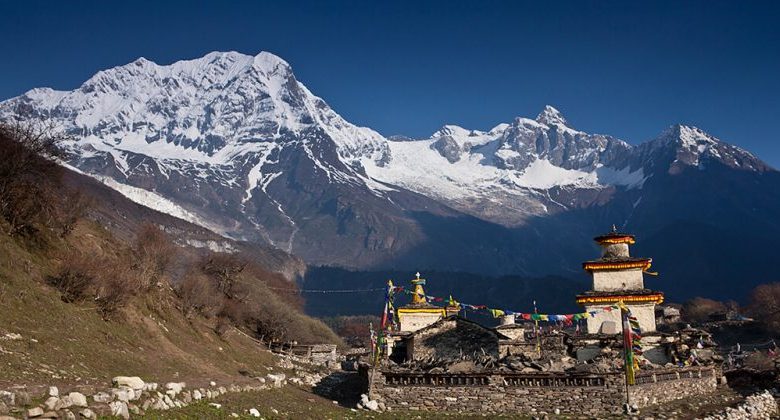
Gorkha, May 24: Eighteen trap cameras have been installed in the Samagaun and Samdo areas of northern Gorkha, which fall under the Manaslu Conservation Area, to study the rising human-wildlife conflict in the region. The initiative was launched after a series of mysterious attacks on valuable livestock such as yaks and horses increased in recent years.
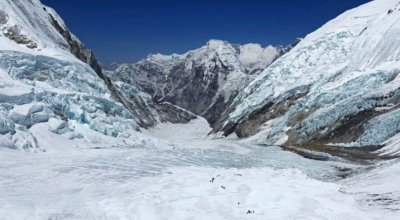
According to information officer Bhuwan Ojha of the Manaslu Conservation Area Project (MCAP), monitoring has begun in the first phase by placing cameras in Samagaun of Chumnubri Rural Municipality-1 and surrounding high Himalayan areas.
The study is mainly focused on identifying the activities of stray dogs, snow leopards, Himalayan wolves and bears in the region. A team of five people, including two technicians, has been deployed for the work.
Over the past decade, incidents of yaks having their tails torn and being attacked in groups have been increasing in Samagaun and Samdo. Livestock farmers said the deaths of animals worth hundreds of thousands of rupees have caused serious concern, with pastoral livelihoods in Samdo particularly under threat.
According to Ojha, cameras have been installed in locations where incidents are most frequent. He said the study will help identify the actual causes and species involved in the attacks, as local residents are suffering significant economic losses due to wildlife conflict. Each camera will remain in place for seven days before being relocated to another high-risk area. This process will continue for about a month, he added.
MCAP expects the data collected to support effective policies for reducing human-wildlife conflict, conserving local livelihoods and improving wildlife management.
Although the first phase focuses on Samagaun and Samdo, the project plans to expand the study to other affected areas, including Chekampar, in the coming days, said MCAP Chief Anil Prasad Poudel. #Nepal