


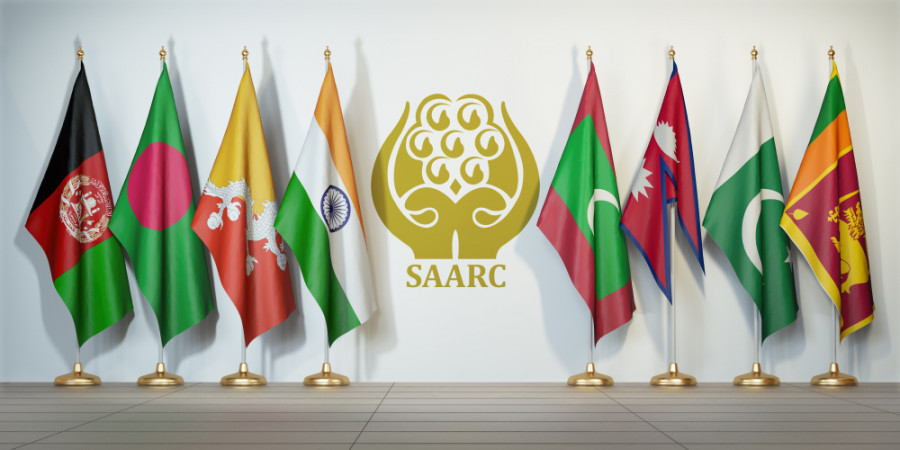
Kathmandu, May 16: A two-day ministerial dialogue titled TransformCare South Asia: Transforming Care Systems for Advancing Women’s Economic Empowerment in SAARC concluded in Kathmandu on Thursday, marking the first time the care economy has been positioned as a strategic pillar for regional cooperation in South Asia.
The event was jointly organised by UN Women and the SAARC Secretariat with support from South Korea’s Ministry of Gender Equality and Family.
According to the organisers, SAARC member states are working toward a historic regional roadmap aimed at transforming care systems to unlock women’s economic potential and promote inclusive growth across South Asia.
The organisers noted that South Asia continues to record one of the world’s lowest female labour force participation rates, largely due to the disproportionate burden of unpaid care work carried by women and girls, which limits their access to employment and leadership opportunities.
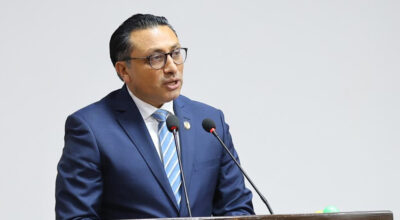
Speaking at the event, Nyaradzayi Gumbonzvanda said that closing gender gaps in labour force participation could raise South Asia’s GDP by as much as 51 percent.
She added that investment in the care economy not only creates jobs but also supports women’s rights to education, rest, public participation, and equal opportunity. According to UN Women research, investment in the care sector can generate two to three times more jobs than equivalent spending in sectors such as construction.
Through the TransformCare Investment Initiative, UN Women offices across South Asia are providing technical expertise, evidence-based data, and financing strategies to help SAARC countries implement care-focused policies at the national level.
One of the major outcomes of the ministerial dialogue was the preparation of a zero-draft Action Plan for Transforming Care Systems in South Asia for SAARC countries.
Highlighting the importance of care systems, Md. Golam Sarwar said the care economy is not merely a social issue but an economic and moral imperative.
“If we are serious about inclusive growth, we must be serious about care. The future of South Asia depends not only on how we grow, but on how we care for one another,” he said.
Gunakar Bhatta stressed the need to move “from promises to delivery,” stating that investment in care services should be viewed as a long-term growth strategy capable of creating jobs, strengthening families, and accelerating inclusive development across the region. #Nepal #SAARC