


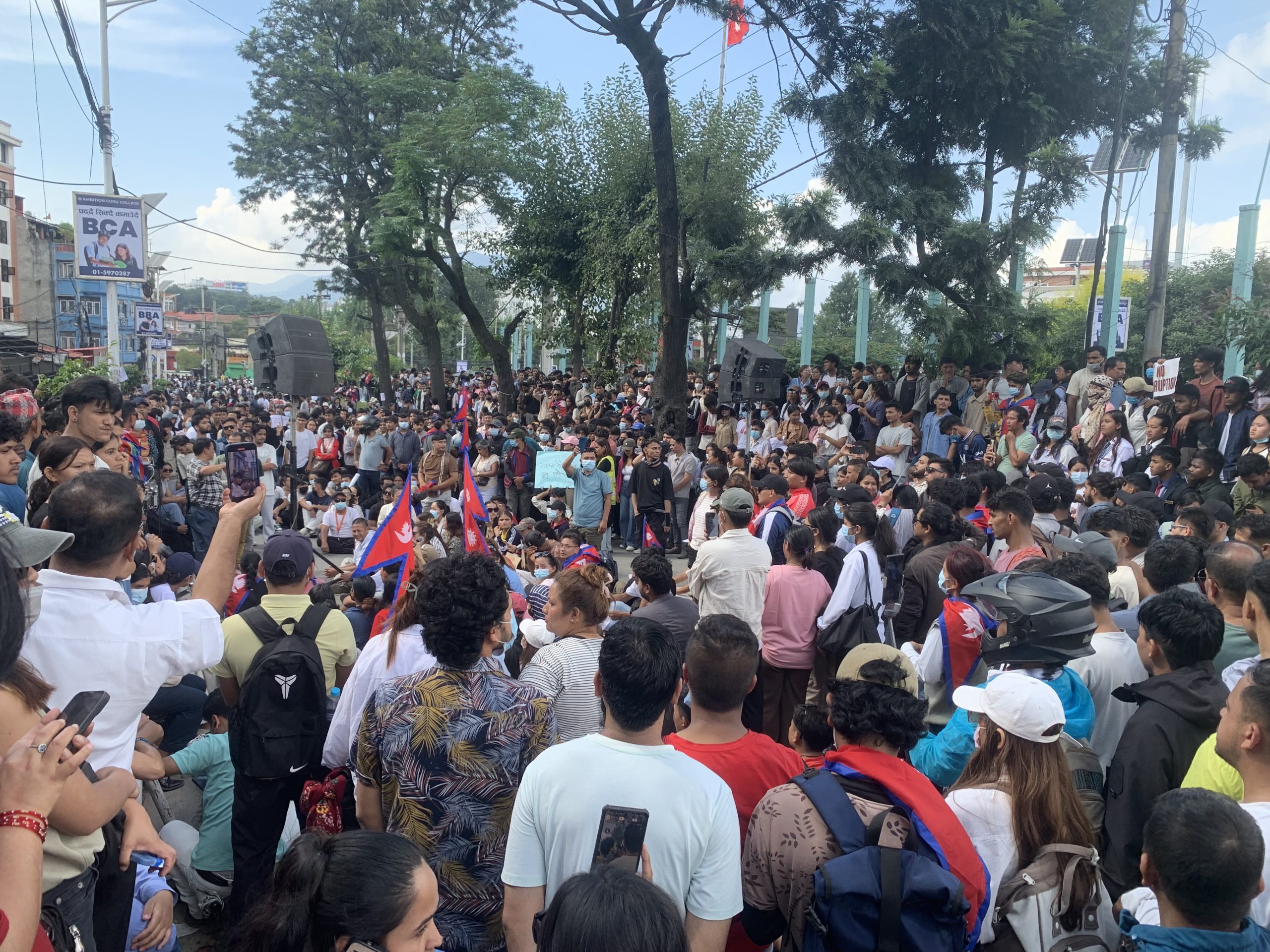
Kathmandu, Sept 19: Nepal’s constitution was primarily shaped by the 12-point and 16-point agreements, drafted and promulgated through the first and second Constituent Assemblies. Federalism emerged as a central political agenda after the decade-long Maoist insurgency, the 19-day people’s movement, and later the Madhes movement, which pushed for state restructuring. This eventually led to the Interim Constitution, whose first and fifth amendments paved the way for a federal democratic republic.
The Constitution of Nepal, promulgated on September 20, 2015 (2072 Ashoj 3), envisions three tiers of government—federal, provincial, and local—enshrining 761 legislatures and 761 governments. However, unlike the executive and legislative structures, the judiciary remains highly centralized.
Federalism and its implementation
Nepal’s federalism is defined through constitutional schedules:
- Schedule 5: Exclusive powers of the federal government
- Schedule 6: Exclusive powers of the provinces
- Schedule 8: Exclusive powers of local governments
- Schedules 7 and 9: Shared powers across tiers
Residual powers remain with the federal government. Despite the clarity in division, challenges persist in practice. Provinces were formed mainly on geographic boundaries rather than ethnic, cultural, or economic considerations, which has left many groups dissatisfied.
Inclusion and representation
The first amendment to the constitution in 2016 addressed proportional and inclusive representation. Article 42 guarantees the right of marginalized communities—women, Dalits, Indigenous groups, Madhesis, Tharus, Muslims, minorities, LGBTQI+ communities, persons with disabilities, farmers, laborers, and the economically disadvantaged—to participate in state structures.
Yet, inclusive representation remains fragile. Political parties often fail to prioritize marginalized voices. The constitutional provision of one-third women’s representation is frequently undermined, raising concerns about the true spirit of proportional inclusion. Experts argue that separate electoral constituencies for Dalits, women, and minorities could strengthen representation.
Federal governance and elections
Nepal has already completed two cycles of federal, provincial, and local elections. These periodic elections have institutionalized the federal system to some extent. However, the proportional electoral system under Article 76(1) has produced coalition and caretaker governments, limiting stability. The absence of clear constitutional provisions for interim or caretaker governments has further complicated governance.
The question of constitutional amendments
One of the major challenges is the amendment procedure. While the federal parliament holds power to amend, provincial consent is not strongly institutionalized. Experts suggest that constitutional amendments related to federal powers should originate in the federal parliament but also require provincial approval, and vice versa. This would strengthen federal balance and reduce conflict.
The role of the Gen-Z movement
The recent Gen-Z movement demanded direct election of the executive head, merit-based appointments, and good governance. As a result, an interim government has been formed with the mandate to oversee the next parliamentary elections in March 2026 (Falgun 2082). A high-level commission is expected to review the constitution and propose amendments, potentially paving the way for a directly elected prime minister or president in line with the aspirations of Nepal’s younger generation.
Conclusion
Federalism and inclusion remain the cornerstones of Nepal’s 2015 Constitution. Despite progress in institutionalizing federal structures, gaps in inclusion, amendment processes, and power-sharing continue to pose challenges. As South Asia’s youngest federal republic, Nepal stands at a crossroads—whether to preserve the parliamentary model or shift towards a directly elected executive system.
Ultimately, the successful implementation of federalism and inclusion depends on political will, constitutional reforms, and the ability of state institutions to uphold constitutional supremacy, democratic values, and inclusive governance. #nepal #genz #constitution