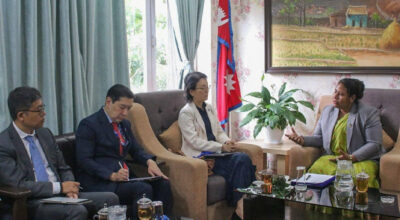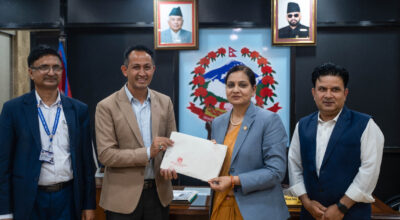



Kathmandu, April 25: The Ministry of Federal Affairs and General Administration has unveiled a draft points of the Federal Civil Service Bill, inviting feedback from stakeholders in what is being seen as a major step toward reforming Nepal’s bureaucracy.
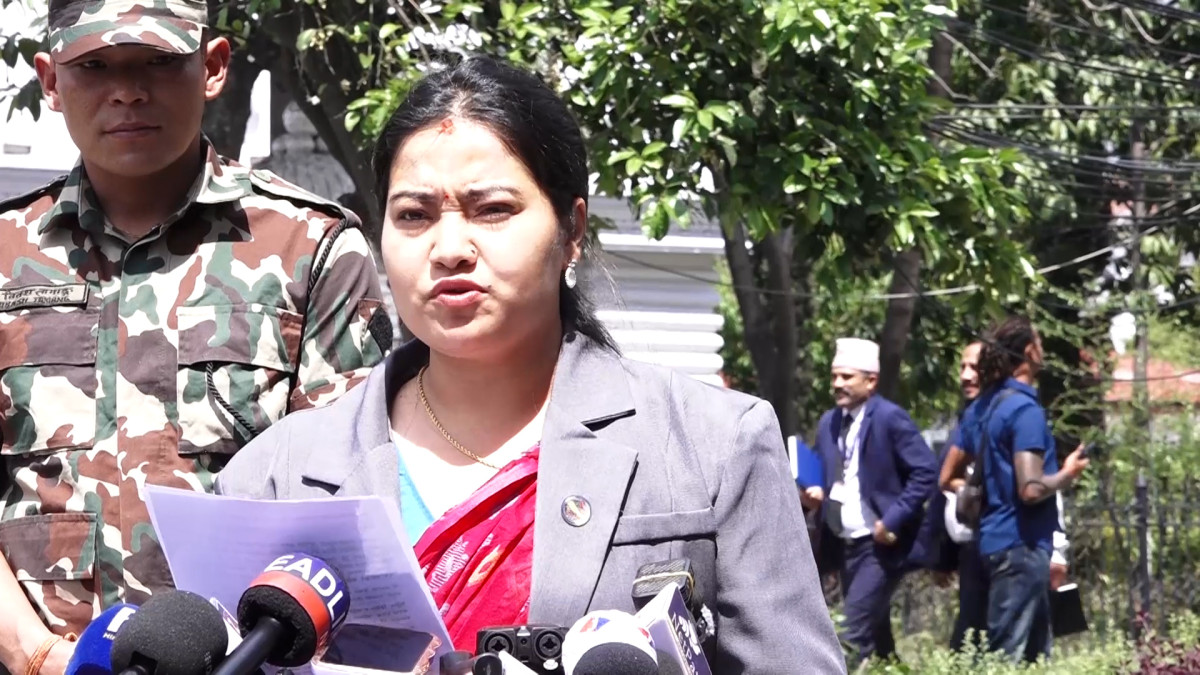
Minister for Federal Affairs and General Administration Pratibha Rawal said the draft has been made public to ensure broader consultation before finalisation.
The proposed bill seeks to bring clarity and uniformity by setting the retirement age of civil servants at 60. It also emphasises the deployment of skilled personnel in their respective areas of expertise and introduces provisions for flexible postings to support employees with caregiving responsibilities.
A notable provision is the ban on trade unions within the civil service, although the bill promises effective mechanisms to address service-related grievances. It also proposes a two-year cooling-off period, preventing retired or resigned officials from special or first-class gazetted positions from taking up constitutional, diplomatic, or other government roles.
The bill introduces measures aimed at enhancing accountability, transparency, and performance. It proposes a time-bound, information technology-based service delivery system, along with citizen participation in performance evaluation.
Senior officials—including secretaries, joint secretaries, and office heads—will be required to sign annual performance agreements, subject to quarterly reviews and public disclosure, strengthening accountability mechanisms.
The draft also promotes competency-based appointments for leadership roles, ensuring that key positions such as department heads and project chiefs are filled based on merit, leadership ability, and professional integrity rather than seniority alone. In addition, provisions for lateral entry into specialised roles aim to attract skilled professionals, particularly in the IT sector, through the creation of a dedicated information technology service.
To improve efficiency and fairness, the bill sets clear rules on transfers and tenure, requiring periodic rotation of civil servants and limiting the duration of postings in a single position. Performance evaluations will incorporate both institutional results and feedback from service recipients, with underperforming officials facing possible restrictions on promotion.
Further reforms include stricter conflict-of-interest provisions, mandatory disclosure requirements, and a stronger push toward digital governance, including electronic systems for personnel records, transfers, and payroll management. #Nepal