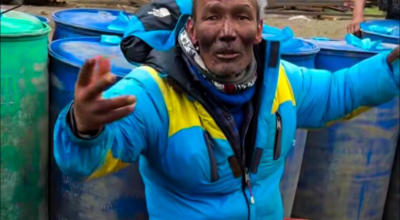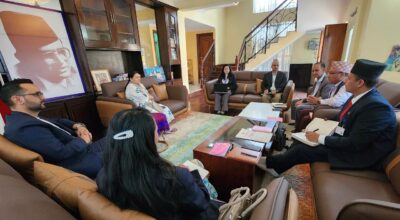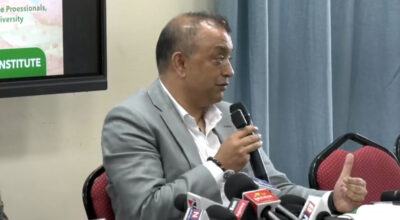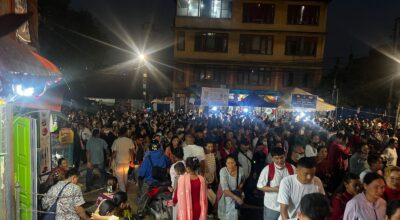


Abrupt incidence occurred at early September, 2025 in Nepal was unprecedented at many levels. A peaceful protest, spearheaded by the country’s Generation-Z (Gen-Z), evolved into a nation-wide outcry against deep-rooted corruption, systemic nepotism, and the controversial ban on social media. The demonstrations, held on the 8th and 9th of September, culminated towards unexpected human casualties and extensive socio-economic damage, sending shockwaves throughout the country’s political landscape.
While the gravity of these events prompted the formation of an Interim Government tasked with stabilizing the country, restoring public trust, and conducting the election for the members of the House of Representatives on March 5, 2026. However this clear and sustainable roadmap specifically conducting the election on the stated date, remains elusive. Amidst this uncertainty, a window of opportunity has opened — one where critical reform may be introduced, institutional weaknesses addressed, and the aspirations of a new generation taken seriously.
Key Demands
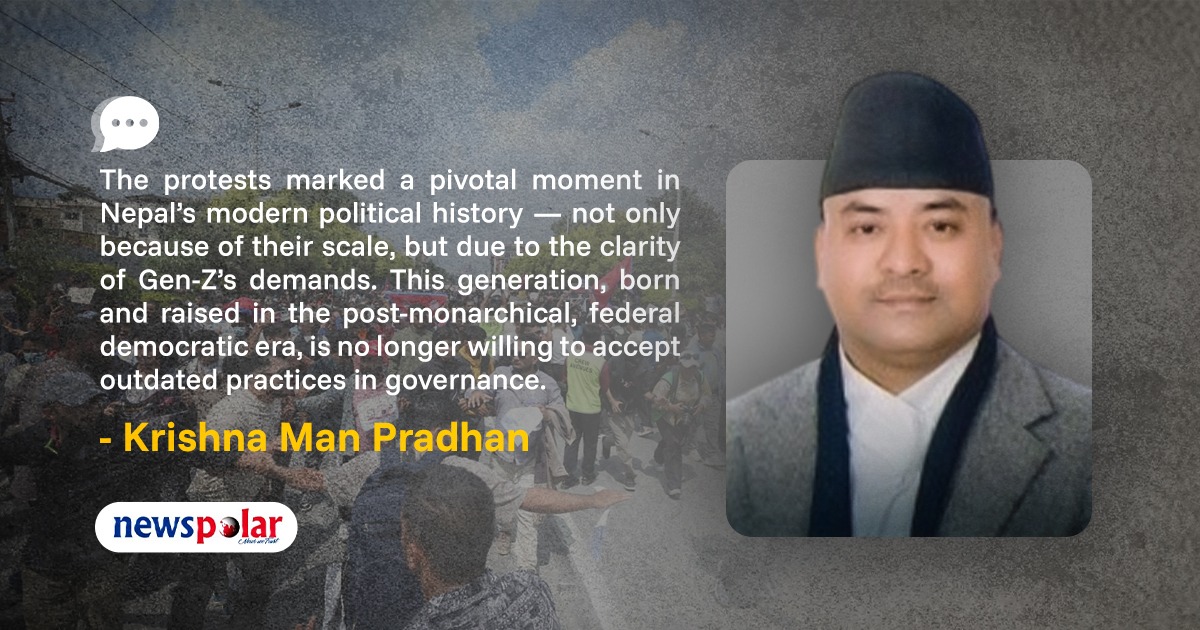
The protests marked a pivotal moment in Nepal’s modern political history — not only because of their scale, but due to the clarity of Gen-Z’s demands. This generation, born and raised in the post-monarchical, federal democratic era, is no longer willing to accept outdated practices in governance.
Their demands include establishment of good governance including investigations of all corruption cases covering from 1990 to 2025 by a competent and trusted body. They have called for the elimination of nepotism and favouritism as was reflected in the social media trends against “nepo kids” and “nepo babies.”
They have signaled their interest for the overhaul in the current political system and the existing long-lasting leadership and have preferred a directly elected executive model, demanding comprehensive reform of the electoral system. Their concerns include ensuring transparent and merit-based appointments to high-level positions such as judges, commissioners and ambassadors. Their voices also include calls for review in the federal structure, particularly the restructuring and distribution of powers between federal and provincial levels along with the administrative reform.
These demands are both ambitious and constitutionally complex, and responding to them will require careful legal, political, and social institutional maneuvering.
Constitutional Provisions and Legal Constraints
The Constitution of Nepal provides a degree of flexibility for reform, but also contains clear limitations to address Gen Z demands. The Commission for the Investigation of Abuse of Authority (CIAA) is the designated body to investigate corruption, while adjudication lies with a Special Court. There is no current constitutional provision for an alternative authority to carry out such wide-ranging investigations for corruption.
In terms of structural reforms, the constitution demands a two-thirds majority to approve any change in the form of government, electoral system, and federal structure. Amendments impacting provincial structure or exclusive provincial powers (as per the Schedule 6), requires approval from the respective Provincial Assemblies. The Constitution does allow for referendums, but only upon approval with a two-thirds majority of the parliament.
These processes, while theoretically feasible, are heavily reliant on the cooperation of established political parties — the very institutions whose legitimacy has been called into question by Gen-Z protesters.
Emerging Challenges in a Volatile Political Climate
The September 2025 events have placed Nepal’s political status quo under considerable strain. Established political parties, many of whom feel threatened by the scale and popularity of Gen-Z’s movement, have shown reluctance to endorse investigations or constitutional amendments that may jeopardize their authority.
Several key challenges lie ahead. Firstly, the Political Resistance, Established leadership is unlikely to support any reforms that may lead to their displacement or reduced influence.
The Interim Government has given a clear mandate to conduct elections on March 5, 2026, but without full cooperation from political parties, this may not be feasible. Continued protests and ideological conflicts between Gen-Z and political traditionalists could deepen societal divides. Similarly, differences among the Gen Z groups on various issues has also surfaced, which would jeopardize their strength.
Additionally, implementing some of Gen-Z’s demands, such as direct election of the executive, would require significant constitutional overhauls. If the transition falters or fails, the door may open for authoritarian alternatives, a scenario which would be catastrophic for democratic consolidation. Revisiting issues of federalism and secularism could ignite deeper communal or regional tensions, especially without a national consensus. The possibility of conflict between rival and the progressive forces that will recall a decade long domestic violence
Building a Constructive Roadmap: Immediate and Medium-Term Steps
To stabilize the political environment and move toward meaningful reform, Nepal must embrace a carefully coordinated and inclusive strategy. The Interim Government must demonstrate impartiality and competence, creating a perception of legitimacy across all demographic and political lines. To address the damage caused during the protest, a transparent and independent body should be formed for the investigation of the events of September 2025, including loss of life, property damage, and underlying grievances.
Financial and technical support and resource mobilization from development partners will be crucial to implement systemic reforms and ensure a credible electoral process. Launching an inclusive, multi-stakeholder dialogue on constitutional amendments — especially electoral reform, federal competencies, and leadership structures — is crucial.
As there is almost common understanding amongst the Gen Zs and political intellects that there should be constitutional reform after the election, therefore, dialogue for the issues to be addressed in constitutional reform has to be initiated in civil society, Gen Zs and political party level. To ensure good governance, a trusted commission must be established for the investigation of historic corruption cases, without overlapping with the competence of CIAA.
Robust dialogue among Gen-Z leaders, political parties, civil society, and government bodies should be institutionalized through town hall meetings, one to one dialogues, public interactions through media, working groups, and policy forums.
Clear structures should be developed to include Gen-Z in political discourse — whether through advisory roles, youth assemblies, or integration into party reform processes.
The Question of Timely Election: Possibility, Pitfalls, and Consequences
Despite the uncertainties, there are several positive indicators regarding the election. The Election Commission of Nepal (ECN) has committed to the scheduled timeline. The Ministry of Finance has confirmed the availability of necessary resources. And, most of the political parties have signaled interest towards the election.
However, significant challenges could derail the process such as continued agitation from both Gen-Z and traditional parties; unmet expectations of the Gen Z; leadership disputes within political parties; and corruption probes and the fallout from September’s events could distract or delegitimize the electoral process. If these risks are not addressed, the election may either be postponed or result in outcomes unacceptable to large segments of the population, particularly the youth.
Role of Civil Society: The Contribution of NLS and GEOC
Civil society organizations like the Nepal Law Society (NLS) and General Election Observation Committee (GEOC) have a critical role to play in facilitating this transition.
The NLS and GEOC have been involved in the observation of several elections in the past. The NLS, in particular, has supported the constitution-making process in the past by providing an independent forum for dialogue on pertinent issues, policy guidance and capacity development. In the changed scenario, their contributions can include supporting the building of coordination mechanisms among Gen-Z, political parties, and the government; supporting electoral preparations, including legal advice, technical expertise, and observation; promoting public dialogue through workshops, interactions, and publications; advising on constitutional reforms, including drafting model amendments; monitoring corruption, ensuring transparency and public trust; and mediating conflicts and preventing escalation through peaceful negotiation platforms. These organizations can serve as a neutral venue bridging between competing forces, supporting both legal integrity and democratic aspirations.
Conclusion: From Crisis to Opportunity
Nepal stands at a critical juncture in its democratic evolution. The Gen-Z protests have not only exposed long-standing governance failures, but they have also ignited a national conversation on constitutional and governance reform, , and the future of leadership. This era can get the opportunity for the establishment of the people centric, democratic, accountable, transparent as well as ethical governance system. The Interim Government, political parties, civil society, and international partners must now seize this moment — not to suppress dissent, but to channel it constructively.
By embracing transparency, accountability, and inclusivity, Nepal can emerge from this period not only with a renewed political mandate but also with stronger democratic foundations for prosper Nepal.
(Mr. Pradhan is a Chief Executive Director, Nepal Law Society and Secretary General and General Election Observation Committee-GEOC)