


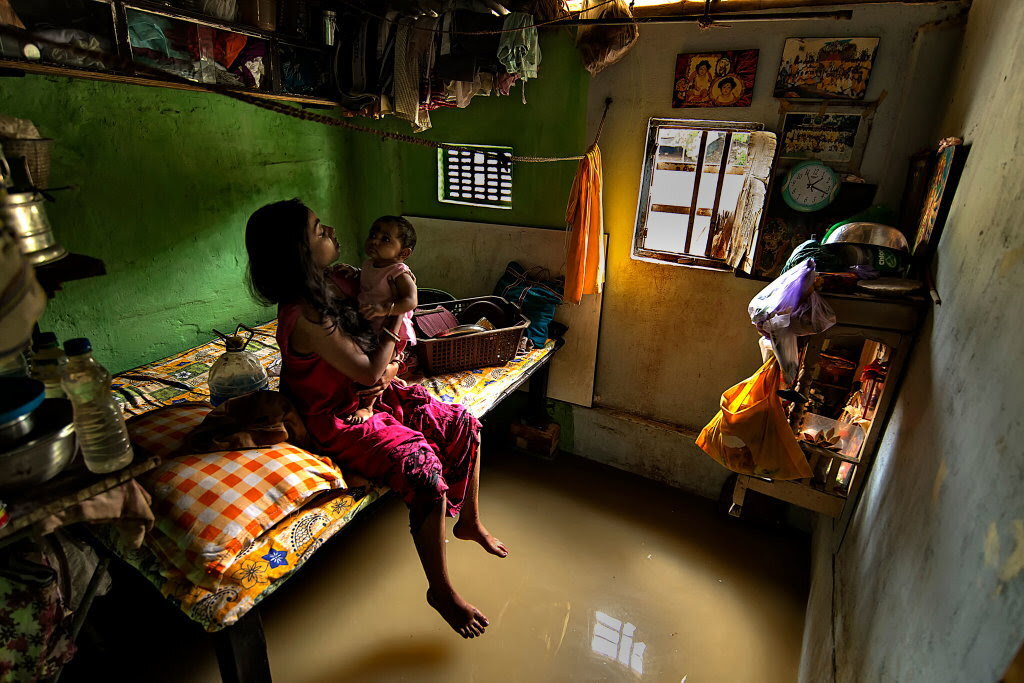
Kathmandu, 7 July 2026: As deadly floods and cloudburst-triggered disasters continue to hit parts of Pakistan, Nepal and India, scientists warn that communities across the Hindu Kush Himalaya (HKH) face an increasingly dangerous pattern this season: longer dry spells punctuated by sudden bursts of intense rainfall capable of triggering flash floods, landslides and glacier-related hazards.
The warning follows recent cloudburst-induced flooding in Pakistan’s Gilgit-Baltistan and flooding triggered by intense rainfalls in Arunachal Pradesh, India, even as the Hindu Kush Himalaya (HKH) Monsoon Outlook 2026 projecting below-normal seasonal rainfall across much of the region.
“The biggest misunderstanding is that less seasonal rainfall means lower flood risk,” said Saswata Sanyal, Disaster Risk Reduction Specialist at ICIMOD. “Seasonal forecasts describes average conditions over several months, not what happens in a single valley. Under El Niño, long dry spells can be interrupted by intense local storms that triggers devastating flash floods and landslides.”
The contradiction lies at the heart of this year’s monsoon. While El Niño is expected to suppress seasonal rainfall across much of South Asia, short-lived weather systems can temporarily override that pattern, producing intense localised rainfalls capable of causing severe flooding.
The result is a monsoon that is becoming more uneven and difficult to predict, with prolonged dry conditions increasing pressure on agriculture and water supplies while isolated extreme rainfall events continue to threaten lives and infrastructure.
Above-normal temperatures are expected to further increase risks in glacier-fed river basins across the Indus, Ganga and Brahmaputra. Warmer conditions accelerate glacier and snowmelt, adding more water to rivers already swollen by intense rainfall while also destabilising mountain slopes and moraine-dammed lakes.
“The recent flooding in Pakistan’s Thore Valley demonstrates that hazards in the HKH are no longer occurring in isolation,” said Manish Shrestha, Hydrologist at ICIMOD. “Heavy rainfall, glacier melt, unstable slopes and fast-rising rivers can interact to create cascading disasters. Preparedness must reflect these compound risks rather than treating each hazard separately.”
Scientists say governments should prepare simultaneously for drought, heat stress, flash floods, landslides and glacier-related hazards rather than viewing them as separate scenarios.
Particular attention is needed for settlements along riverbanks, steep mountain slopes and rapidly expanding urban areas across Nepal, northern and north-eastern India, Pakistan and other vulnerable mountain regions, where fragile geology, rising temperatures and expanding infrastructure continue to increase exposure.
With weeks of the monsoon still ahead, experts say the greatest danger is assuming that fewer rainy days mean fewer disasters. This year’s monsoon demands preparedness for drought and floods at the same time.