


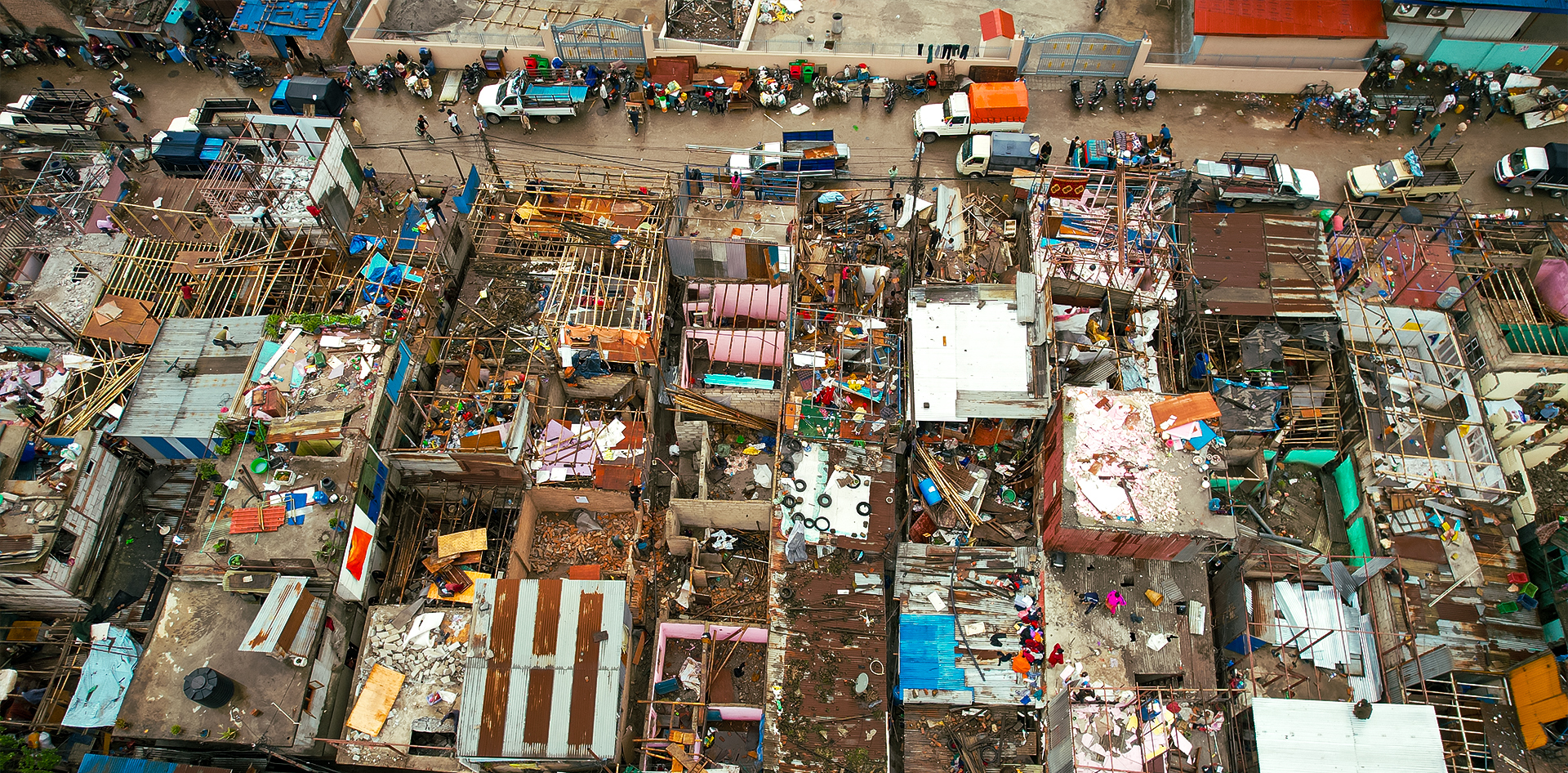
Kathmandu, May 3: Stakeholders have urged the government to act with greater sensitivity toward children living in landless and squatter settlements, warning that recent eviction drives have created serious humanitarian concerns.
They said the government’s campaign to clear squatter settlements, which began on April 25, has disproportionately affected vulnerable groups, including children, pregnant women, senior citizens, and people with disabilities.
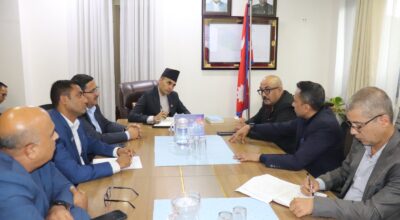
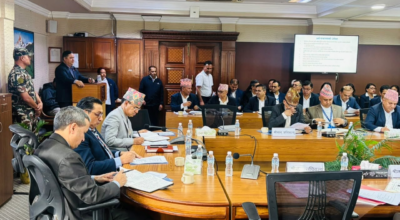
The concerns were raised during a discussion programme organised by Children as Zones of Peace National Campaign, National Forum for Child-Friendly Local Governance, and Child Development Society.
Participants discussed the eviction and removal of informal settlements, focusing on the resulting challenges and their impact on children’s education, health, protection, and psychological well-being.
Referring to Article 16 of the Constitution of Nepal, which guarantees the right to live with dignity, speakers stressed that the government must also uphold other fundamental rights enshrined in the constitution.
Among those present were Tilottam Poudel, president of the CZOP campaign; Durga Prasad Chalise, Under-Secretary at the Ministry of Women, Children and Senior Citizens; Khimananda Basyal of the National Human Rights Commission; and Devi Dotel of the National Council for Child Rights.
Land rights activist Bhagwati Adhikari, along with Subash Nepali and Krishna Gautam from INSEC, also participated in the discussion.
Speakers highlighted a lack of effective coordination among agencies responsible for implementing existing laws, regulations, and procedures during the eviction process. They noted that inadequate preparedness and weak information systems have worsened the situation.
According to participants, the impact has been especially severe on children, lactating mothers, pregnant women, people with disabilities, sexual and gender minorities, the chronically ill, and students preparing for exams.
Some shared distressing accounts of families being forced to watch bulldozers demolish their homes while students simultaneously prepared for Grade 12 examinations. Others described situations where families had to sell daily essentials on the streets just to feed their children.
Stakeholders recommended a phased approach: first, collecting accurate data on landless and squatter populations; and second, ensuring proper housing arrangements before carrying out evictions.
They criticised the use of bulldozers to displace vulnerable communities, arguing that instead of protecting marginalised groups—including Dalits, at-risk households, and children—authorities were exacerbating their suffering.
Participants also stressed that the government has failed to address the psychological trauma experienced by children who witness the destruction of their homes and schools.
They further warned that essential documents—such as citizenship certificates, birth certificates, educational records, textbooks, and school uniforms—are often lost or damaged during evictions, while access to age-appropriate nutritious food is disrupted.
Finally, they called for greater attention to risks of violence, abuse, and loss of privacy in temporary shelters or holding centres, urging authorities to adopt a more humane and rights-based approach to settlement management. #Nepal