



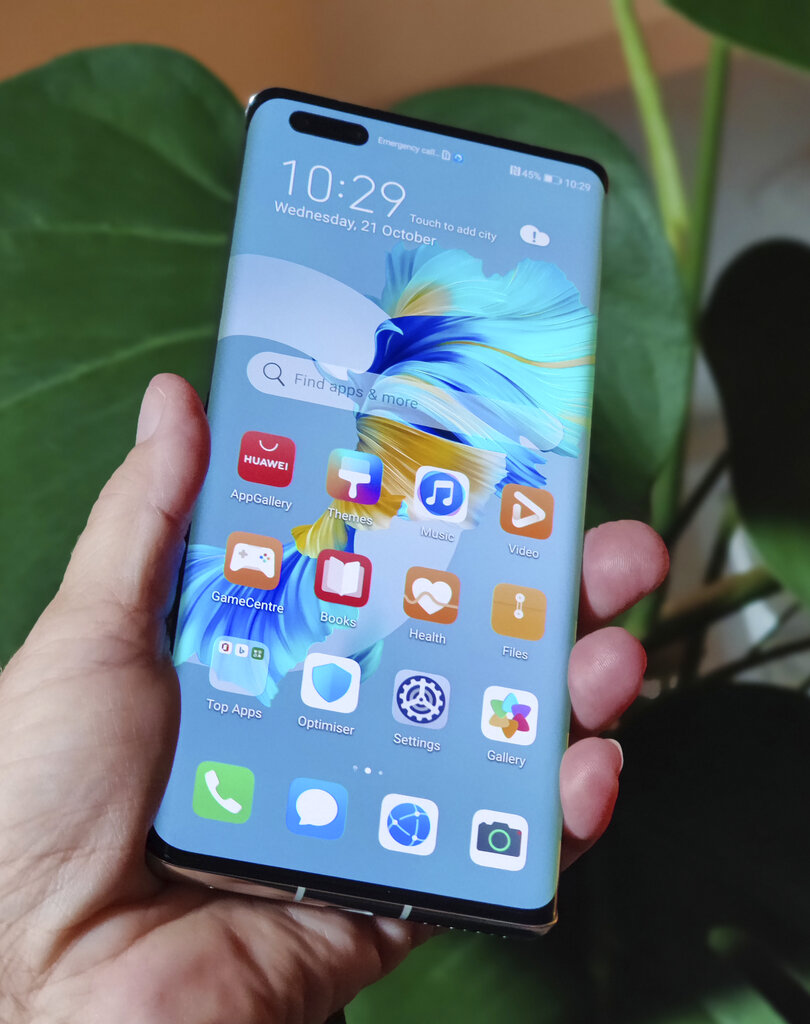
Itahari, June 4: The growing use of mobile phones among children is negatively affecting their creativity, learning abilities, and overall development, according to educators and health experts.
With internet access now available in most households and smartphones becoming increasingly common, concerns are mounting that children are spending excessive amounts of time on screens at the expense of learning, social interaction, and practical life experiences.
Sarita Khatiwada, Associate Professor at the Department of Nursing, Purbanchal University, said the rising habit of unnecessary mobile phone use is pushing many children toward digital addiction.
“Childhood is a period of rapid physical, mental and emotional development. Mobile addiction can make children dependent on their devices and affect their overall well-being,” she said. “Many children become restless, withdrawn or irritable when they are unable to use a mobile phone, even for a short period.”
Khatiwada warned that excessive screen time can have serious consequences for children’s physical and mental health while also limiting their creativity and independent thinking.
Similarly, Shiva Prasad Niraula, a teacher at Shree Prakash Secondary School, said children from an early age through adolescence are increasingly becoming dependent on mobile phones.
“Childhood should be a time for playing, socialising and learning through interaction with friends and family,” he said. “However, because almost everything is now accessible through a mobile phone, children are spending more time on screens than ever before.”
According to Niraula, the problem is compounded by the busy lifestyles of parents, many of whom hand mobile phones to children as a convenient way to keep them occupied. As a result, reading habits and other productive activities are gradually declining. Pusparaj Bista, a parent from Ramdhuni Municipality-5, said mobile phone dependency has become so widespread that even very young children often demand a phone while being fed.
Children are increasingly spending their free time watching videos and playing online games, often at the expense of academic activities and social engagement. Teachers say many students struggle to concentrate in class and frequently forget lessons taught at school.
“In the past, children would return home from school and begin their homework,” Niraula said. “Today, many of them immediately start searching for their own or their parents’ mobile phones.”
Experts also warn that excessive reliance on smartphones is reducing children’s practical knowledge and life skills. Since children tend to imitate the behaviour of adults around them, the widespread use of mobile phones among family members has further reinforced the habit. “Earlier, parents involved children in household activities, allowing them to learn practical skills and responsibilities from an early age,” Niraula said. “Those opportunities are becoming increasingly limited.”
While acknowledging that smartphones can be valuable educational tools, particularly for secondary school students seeking information online and developing digital literacy, educators caution that excessive dependence on mobile devices is undermining creativity and critical thinking.
Teachers report that many students now rely on readily available online answers to complete assignments rather than developing independent problem-solving and analytical skills. Experts stress that balanced use of technology, parental supervision, and greater engagement in outdoor activities, reading, and social interaction are essential to ensuring that children benefit from digital tools without becoming overly dependent on them. #smartphone #nepal