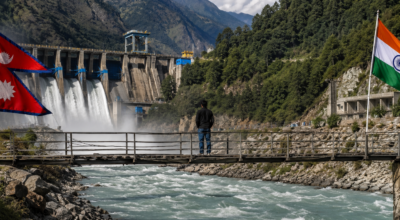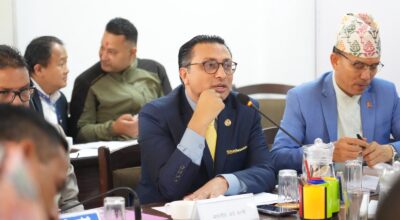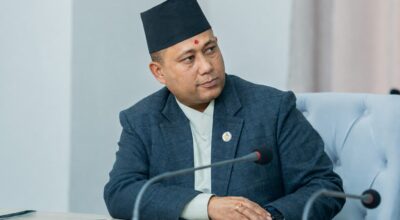



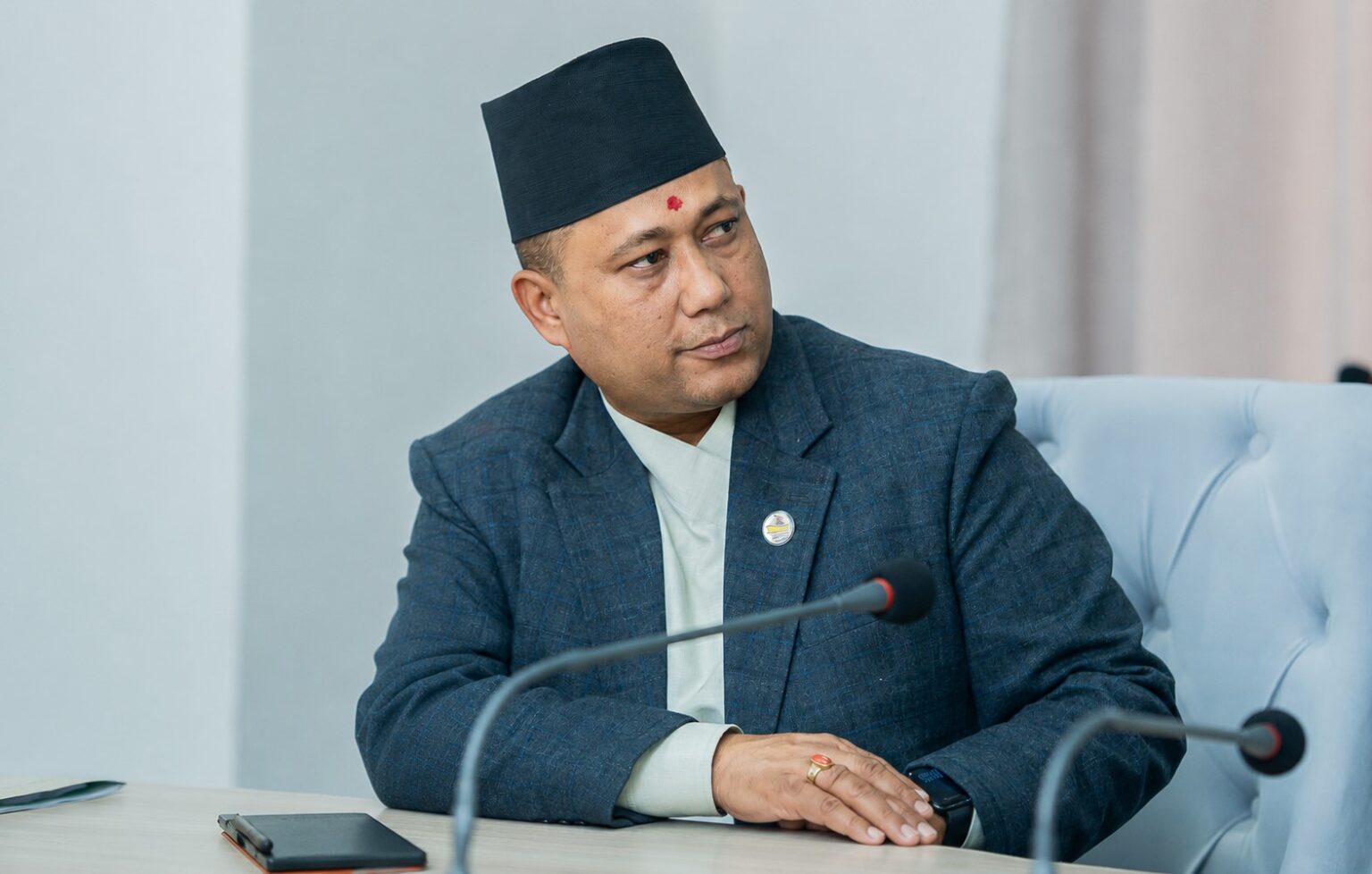
Kathmandu, June 10: Foreign Minister Shishir Khanal is set to embark on a five-day official visit to China beginning June 14, just a week after returning from a three-day visit to India, in a diplomatic move being closely watched by regional observers and policymakers.
According to Ministry of Foreign Affairs official, Khanal will meet Chinese Foreign Minister Wang Yi during the visit. The trip comes shortly after his talks with Indian External Affairs Minister S. Jaishankar in New Delhi, underscoring Nepal’s continued engagement with both of its immediate neighbors.
Officials said preparations for the China visit began only after Khanal’s return from India, leaving limited time for developing new initiatives. As a result, the primary focus of the visit is expected to be a review of existing bilateral agreements, cooperation mechanisms, and the overall state of Nepal-China relations rather than the signing of new deals.
Discussions involving Tibet-related issues, public commentary on long-standing Nepal-China understandings, and other developments have generated concerns in Beijing about the direction of bilateral ties, according to diplomatic sources.
The visit is also taking place against the backdrop of broader geopolitical discussions. Analysts note that both Beijing and New Delhi have been closely observing Nepal’s growing engagement with Western countries, particularly the increasing frequency of high-level visits from the United States and European partners.
However, the ruling RSP and Prime Minister Balendra Shah are reportedly reluctant to revisit longstanding issues with Nepal’s neighbors. As the government appears unwilling to engage in discussions that could be seen as merely repeating traditional diplomatic formalities, Foreign Minister Khanal faces the challenge of identifying new areas of cooperation and fresh agenda for bilateral engagement.
Foreign Ministry sources said Khanal is expected to consult with experts and stakeholders familiar with Nepal-China relations before finalizing his agenda. While no formal agreements are currently expected, officials believe rebuilding confidence and strengthening mutual trust could emerge as the central objective of the visit.
Sources indicate that during his talks with Wang Yi, Khanal is likely to emphasize Nepal’s commitment to maintaining balanced and independent relations with both neighboring countries while addressing concerns that may have arisen in recent months.
With Nepal seeking to maintain constructive relations with both China and India, Khanal’s back-to-back engagements with the country’s two largest neighbors are being viewed as an important test of Kathmandu’s balancing diplomacy. A recent example of this engagement was the meeting between ruling Rastriya Swatantra Party (RSP) Chairman Rabi Lamichhane and Sergio Gor, South Asia envoy of U.S. President Donald Trump, during Lamichhane’s visit to New Delhi. In contrast, neither of Nepal’s immediate neighbors—India and China—have undertaken comparable high-level official visits to Kathmandu in recent months.
India and China have long maintained a dominant role in Nepal in terms of investment and economic assistance. Although the government has announced various incentives to attract foreign investment, it remains crucial to encourage investors from these two neighboring countries. Their generous support is important not only for capital inflows but also for ensuring access to large markets for Nepali products and services.
In this context, Prime Minister Balendra Shah’s reported decision not to undertake any foreign visits or meeting with diplomats or visiting high level dignitaries for a year could be viewed as limiting Nepal’s diplomatic engagement. At a time when the country seeks greater investment, trade opportunities, and economic cooperation, keeping diplomatic channels actively engaged with key partners such as India and China may be essential for advancing Nepal’s economic interests. #nepal