


Kathmandu, Sept 26: On September 8–9, Nepal witnessed a historic moment when the country’s Generation Z (Gen Z) staged powerful protests that reshaped its political landscape. The two-day movement shook the decades-old dominance of traditional political parties, disrupted entrenched governance structures, and paved the way for a new government led by former Chief Justice Sushila Karki.
For over 35 years, Nepal’s political scene was dominated by a “musical chair” of the same leaders. But this time, fed up with corruption, nepotism, unemployment, and poor governance, the youth themselves became the catalyst for change. What elections and political promises had failed to deliver, a digitally savvy, frustrated generation brought to the streets.
Why the Gen Z protests started
The Gen Z movement in Nepal mirrors youth uprisings seen worldwide—from Hong Kong to Chile, Bangladesh to Sri Lanka. Common themes unite them: demands for democracy, transparency, social justice, climate action, and the end of corruption.
In Nepal, the immediate spark came when the government imposed restrictions on major social media platforms—key spaces for Gen Z expression and activism. That single act pushed youth beyond tolerance. What began as a protest against censorship soon expanded into a broader agenda: ending corruption, dismantling nepotism, fighting inequality, and demanding accountable leadership.
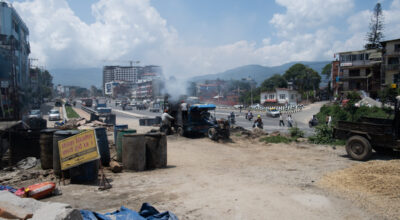
Within days, celebrities, content creators, influencers, and civil society figures rallied behind the young protesters. By September 8, tens of thousands had gathered at Maitighar in Kathmandu, despite police crackdowns that left more than 70 people dead and hundreds injured.
From protest to political change
Gen Z protesters did not just demand change—they achieved it. Prime Minister K.P. Sharma Oli resigned under pressure, and an interim government was formed under Sushila Karki to oversee fair elections.
The movement also birthed campaigns like “Nepo Baby”, “Nepo Kids”, targeting privilege, elite lifestyles, and unfair advantages enjoyed by political and bureaucratic families. For the first time, the youth directly challenged not only political leaders but also the deep-rooted system of patronage, corruption, and middlemen.
The Road Ahead
While the interim government’s primary mandate is to conduct free and fair elections, the real test lies in dismantling the entrenched culture of corruption and bureaucracy that survived beyond leaders.
Gen Z’s demands are clear:
- End corruption and middleman politics
- Create jobs to stop mass youth migration
- Ensure transparency and accountability in governance
- Build a system where youth have a direct role in policymaking
- Institutionalize youth-friendly programs for long-term development
If successful, Nepal will not only witness elections but also the beginning of a new political era led by young people—a shift from the dominance of outdated leaders to the rise of a generation that is digitally connected, globally aware, and determined to build a prosperous future.
Conclusion
The Gen Z protests in Nepal are more than a passing movement—they represent a generational awakening. By toppling an old system and demanding institutional reform, young Nepalis have shown they are not just the future but the decisive force of the present.
The struggle has been costly, with lives lost and many injured, but its achievements signal the dawn of a new Nepal. If Gen Z and the interim government can translate momentum into institutional reforms, this could mark the beginning of a new chapter: a corruption-free, accountable, and opportunity-driven Nepal built by its youth. #nepal #GenZ #politics