


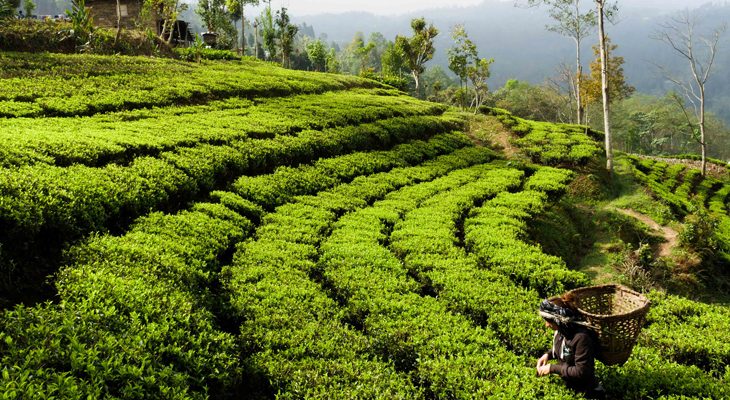
Kathmandu, June 16: Nepal’s tea industry has been thrown into crisis after 65 tea processing factories in Ilam suspended operations following the disruption of exports to India due to new quality testing requirements imposed by the Indian Tea Board.
Tea entrepreneurs say the mandatory testing procedures, introduced under a new Standard Operating Procedure (SOP) from May 1, have effectively halted exports, leaving factories with unsold stocks and forcing many to stop production at the peak of the tea harvesting season.
According to Dilli Ram Shrestha, president of the Suryodaya Tea Producers Association, 53 factories in Suryodaya Municipality have already shut down, while another 12 factories in Ilam Municipality and Deumai Municipality have ceased operations. An additional 15 factories are expected to close in the coming days.
The association estimates that around 250,000 kilograms of Nepali tea shipped to Delhi, Kolkata and Siliguri remain held up in India awaiting laboratory test results. Meanwhile, factories across Ilam have accumulated approximately 1.1 million kilograms of processed tea in storage, with tea worth nearly Rs. 61.6 million lying unsold.
“The entire first flush of tea remains stuck in warehouses. Since exports have stopped, factories cannot purchase fresh leaves from farmers or make payments, forcing us to suspend operations,” Shrestha said.
Under India’s revised regulations, every consignment of Nepali tea must undergo mandatory laboratory testing before entering the Indian market. Previously, one quality test covered multiple shipments, but now each vehicle and every separate consignment requires individual testing.
Tea entrepreneurs say each laboratory test costs 11,500 Indian rupees and takes more than 15 days to produce results. During that period, exporters must either keep tea inside trucks or pay for warehouse storage, sharply increasing costs.
If the test detects excessive pesticide residues or fails to meet quality standards, the shipment must be destroyed. Industry representatives argue that the lengthy and expensive testing process has made exports commercially unviable. The export disruption is also affecting thousands of tea growers.
Akriti Rai, a tea farmer from Suryodaya Municipality-4, said factories have begun returning freshly harvested tea leaves because they are unable to process or export them. “As tea is our primary source of income, farmers and labourers are facing serious financial hardship,” she said.
Tea entrepreneurs have urged the federal government to immediately engage with Indian authorities to resolve the issue through diplomatic negotiations. Tea entrepreneur Gopal Kattel warned that the crisis extends beyond factory owners and could threaten the livelihoods of thousands of farmers.
“If this situation continues, tea farmers in Ilam could face severe economic hardship. The government has already delayed responding to the problem,” he said.
Meanwhile, Uday Chapagain, owner of Gorkha Tea Industry, said his company continues exporting tea to seven countries, including Germany and the United Kingdom, after successfully meeting international quality standards. “Our tea is accepted in global markets, yet exports to India have been blocked,” Chapagain said, adding that the industry now requires high-level diplomatic intervention.
Tea entrepreneurs have questioned India’s rationale for tightening import procedures, noting that while Indian authorities have raised concerns over the quality of Nepal’s processed tea, they continue importing green tea leaves from Nepal. Industry representatives claim those green leaves are processed in India’s Okayti region and marketed internationally under the Darjeeling Tea brand.
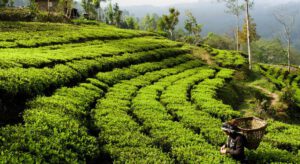
According to the National Tea and Coffee Development Board, Nepal exports around 15,600 tonnes of tea annually, with 86 percent destined for the Indian market. Tea is cultivated in 31 districts, including Jhapa, Ilam, Panchthar and Dhankuta, while a significant portion of exports to third countries also passes through India. #nepal