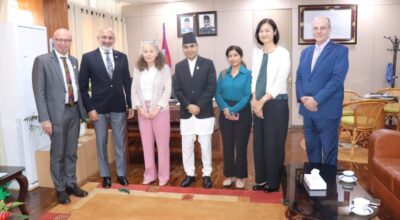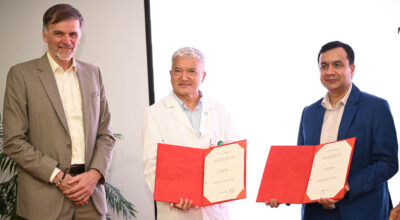



My recent Fellowship experience in Cleveland, United States of America (USA) offered more than professional exposure—it opened a deeper window into how democracy functions at the local level in the United States.
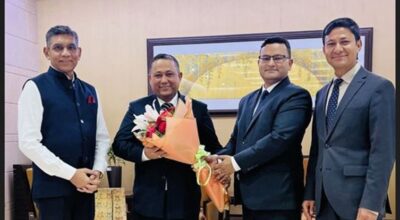
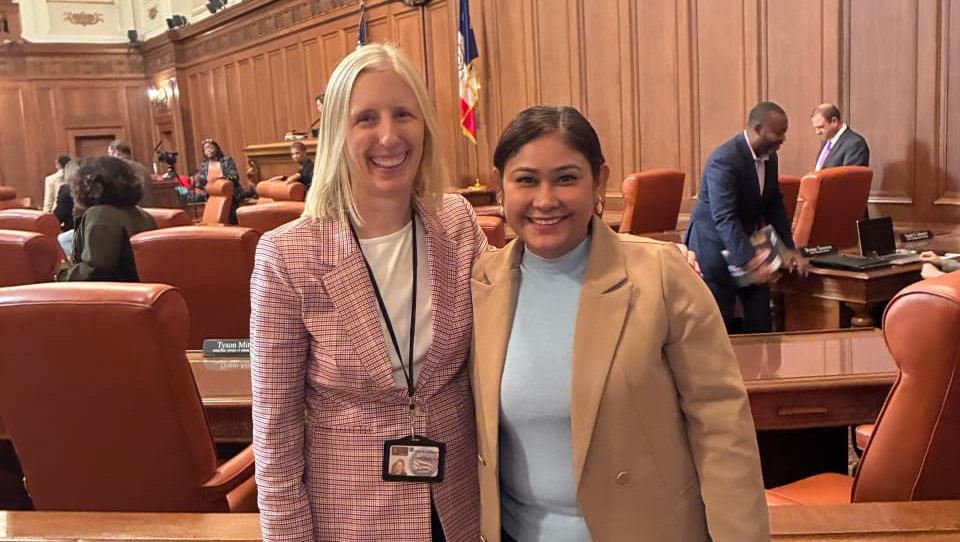
Working alongside Councilmember Jenny Spencer of City Hall, a respected and dedicated public servant, I witnessed firsthand the process of local governance, the spirit of civic participation, and the disciplined structure that guides policy decisions in American cities.
Inside Cleveland’s City Hall of Governance
Throughout my Fellowship, I attended multiple council and committee meetings, each governed by a clear and consistent framework—agenda-setting, deliberation, legislative debate, and public input. What stood out was the level of transparency and accessibility. Residents from diverse backgrounds freely voiced concerns, questioned officials, and contributed to community discussions. Their presence was not just welcomed; it was central to the process.
Councilmember Jenny Spencer embodied the essence of responsive leadership. Her ability to listen, engage, and collaborate demonstrated how elected officials can build trust by being both accessible and accountable. Observing her work reaffirmed an important principle: effective governance is not defined by authority alone, but by openness and responsiveness to public needs.
A Commitment to Inclusion
One of the strongest impressions I carried was Cleveland’s unwavering focus on equality. In discussions surrounding housing, economic development, or social services, the emphasis consistently returned to inclusion. Local leaders sought to ensure that every resident—regardless of background or circumstance—could access opportunities and community resources. This commitment to equity provided a powerful model of how governance can uplift the most vulnerable.
Nepal and the U.S.: A Study in Contrasts
While Nepal and the United States share democratic foundations, their local governance structures differ significantly. In Nepal, limited resources, political interference, and weak institutional capacity often hinder long-term planning and consistent service delivery. Decision-making can be overly influenced by political dynamics rather than data or public consultation.
Cleveland, by contrast, operates through stable institutions, documented procedures, and transparent processes. Every policy follows a structured path—from drafting to review to implementation—often supported by independent committees that ensure accountability and multiple layers of scrutiny.
Yet Nepal’s system also carries notable strengths. Local representatives typically maintain close relationships with their communities, giving them intimate knowledge of people’s needs. This level of personal connection can be more difficult to cultivate within larger, more bureaucratic systems.
Civic Engagement: A Cultural Difference
One of the most striking differences was the culture of civic participation. In Cleveland, attending council meetings, questioning officials, and joining local initiatives are seen as natural civic duties. Public engagement is deeply rooted in the culture.
In Nepal, although civic awareness is growing, participation remains limited and sometimes overshadowed by mistrust in institutions. Investing in civic education and transparency could help strengthen this relationship between citizens and local authorities.
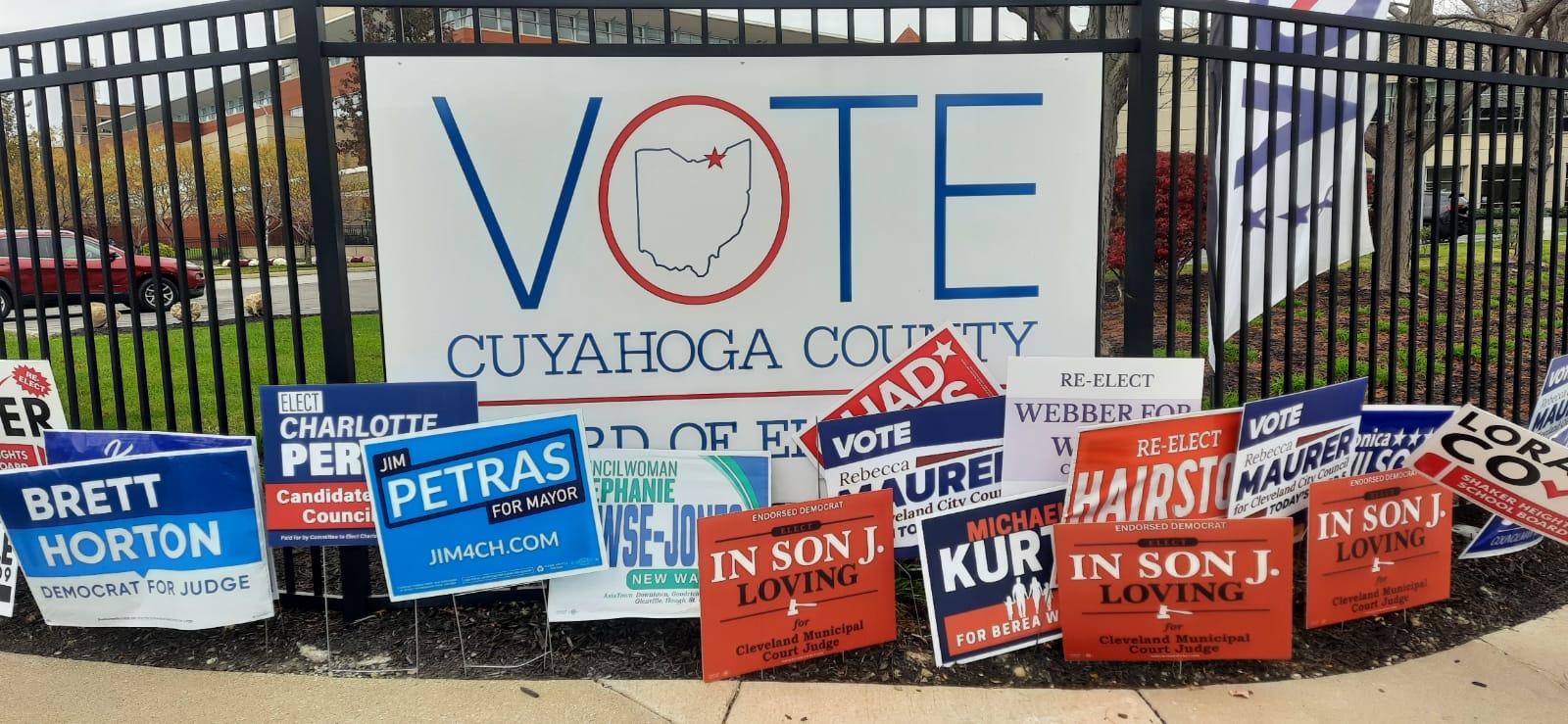
General Election Day in Cleveland: A Model of Organization
On November 4, I visited three polling stations across Cleveland to observe the 2025 General Election. The experience offered valuable insights into an electoral process that is markedly different from Nepal’s.
Election campaigning in the U.S. was minimal and regulated. There were no scattered posters, flags, or large rallies. Campaigning was permitted only in a small, designated area outside polling stations, typically occupied by the candidate and one or two supporters.
Security was peaceful and understated—no army presence, no large police deployments. Instead, the environment was calm, orderly, and designed to make voters feel comfortable and safe.
Voter turnout, however, was relatively low. Despite this, every voter had the opportunity to cast their ballot privately and without fear. No signs of voter coercion or vote-buying were present. Importantly, voters who made mistakes on their ballots were allowed to request up to two replacements—a provision that reflects the system’s focus on ensuring every vote counts accurately.
Lessons for Nepal’s Democratic Journey
Observing Cleveland’s governance and election process has deepened my understanding of democratic practice. Governance, I learned, is built not just on policies and procedures, but on trust, accountability, and meaningful public engagement. The structured, transparent systems I witnessed in the U.S. offer valuable lessons that Nepal can adapt—particularly in promoting participatory decision-making, strengthening institutions, and ensuring fair elections.
As I return home, I carry with me not just observations, but a renewed belief in the potential of local governance. While our countries differ, our democratic aspirations are the same: to build systems that listen to citizens, uphold fairness, and create opportunities for all.
My experience in Cleveland reaffirmed that democracies learn from one another. And through such exchanges, we move closer to building governments that truly work for their people.
Rejina Bhattarai –Professional Fellowship Program Fellow, U.S. State Department