


Chitwan, May 20: Growing plastic pollution is increasingly endangering the lives of birds and animals in Nepal, conservationists and veterinarians have warned.
A recent incident in Mithila Bihari Municipality highlighted the problem after a rare Black-crowned Night Heron was rescued unconscious in Puranadaha with plastic tightly wrapped around its beak.
The bird was rescued by Dev Narayan Mandal, who has long been involved in bird conservation through Mithila Wildlife Trust.
According to Mandal, the bird’s beak had become stuck with plastic and an adhesive substance similar to glue, leaving it unable to eat and severely weakened. “Shortly after the plastic was removed from its beak, the bird began catching fish again,” Mandal said, warning that the bird could have died if it had not been rescued in time.
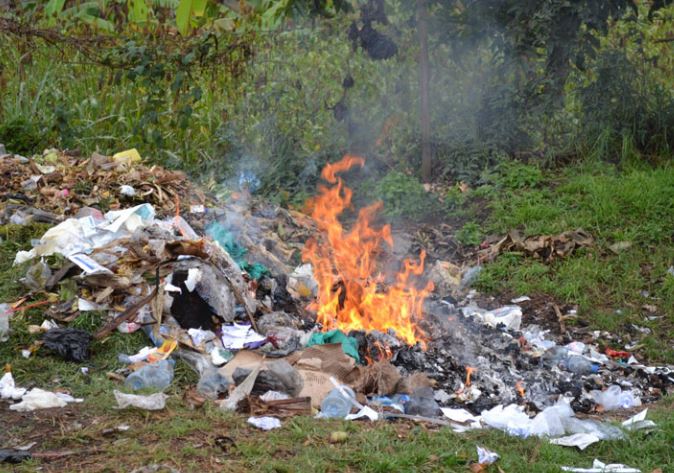
He blamed the increasing practice of openly dumping plastic waste for placing birds and animals at serious risk. According to him, birds and animals often swallow plastic bags while trying to consume leftover food discarded inside them.
Mandal said plastic waste dumped near wetlands is frequently blown into rivers and ponds, creating further danger for aquatic birds and wildlife dependent on wetland ecosystems. He added that many birds die after plastic becomes trapped around their beaks or lodged inside their throats and stomachs. Noise pollution, smoke, excessive pesticide use, soil contamination and wetland destruction are also contributing to the decline of bird populations.
Citing conservation studies, Mandal said Nepal has witnessed a 57 percent decline in bird populations in recent years, while 22 bird species have already disappeared due to environmental degradation, deforestation, wetland encroachment and plastic pollution.
In another alarming case reported last year, nearly 20 kilograms of plastic were removed from the stomach of a stray cow during surgery in Janakpur. According to Dr. Sanjiv Thakur of the Veterinary Hospital and Livestock Service Expert Centre Dhanusha, larger quantities of ingested plastic accumulate in animals’ stomachs and prevent proper digestion. He warned that long-term effects include weakness, loss of appetite, bloating, breathing difficulties, anaemia and reduced milk production in dairy animals. In severe cases, plastic can cause wounds and fatal diseases inside the stomach.
Dr. Thakur said surgery is often the only effective treatment, but such procedures remain costly and inaccessible in many areas. He stressed the need for stronger public awareness campaigns, improved waste management systems, reduced open dumping, better control of stray animals in urban areas, and environmental education on plastic pollution from school level onward.
Mandal also urged the public to minimise plastic use and adopt environmentally friendly alternatives such as paper, cloth and jute bags. “A small act of negligence in our daily lives is putting water, land and wildlife at risk,” he said. “Reducing plastic use is now essential to protect the environment and living creatures.” #Nepal