


Kathmandu: The Russian House in Kathmandu has inaugurated a photo exhibition titled “Legacy on the Coasts of the Volga: UNESCO World Heritage Sites in the Republic of Tatarstan,” offering Nepali audiences a rare glimpse into the rich cultural and historical heritage of Russia’s Republic of Tatarstan.
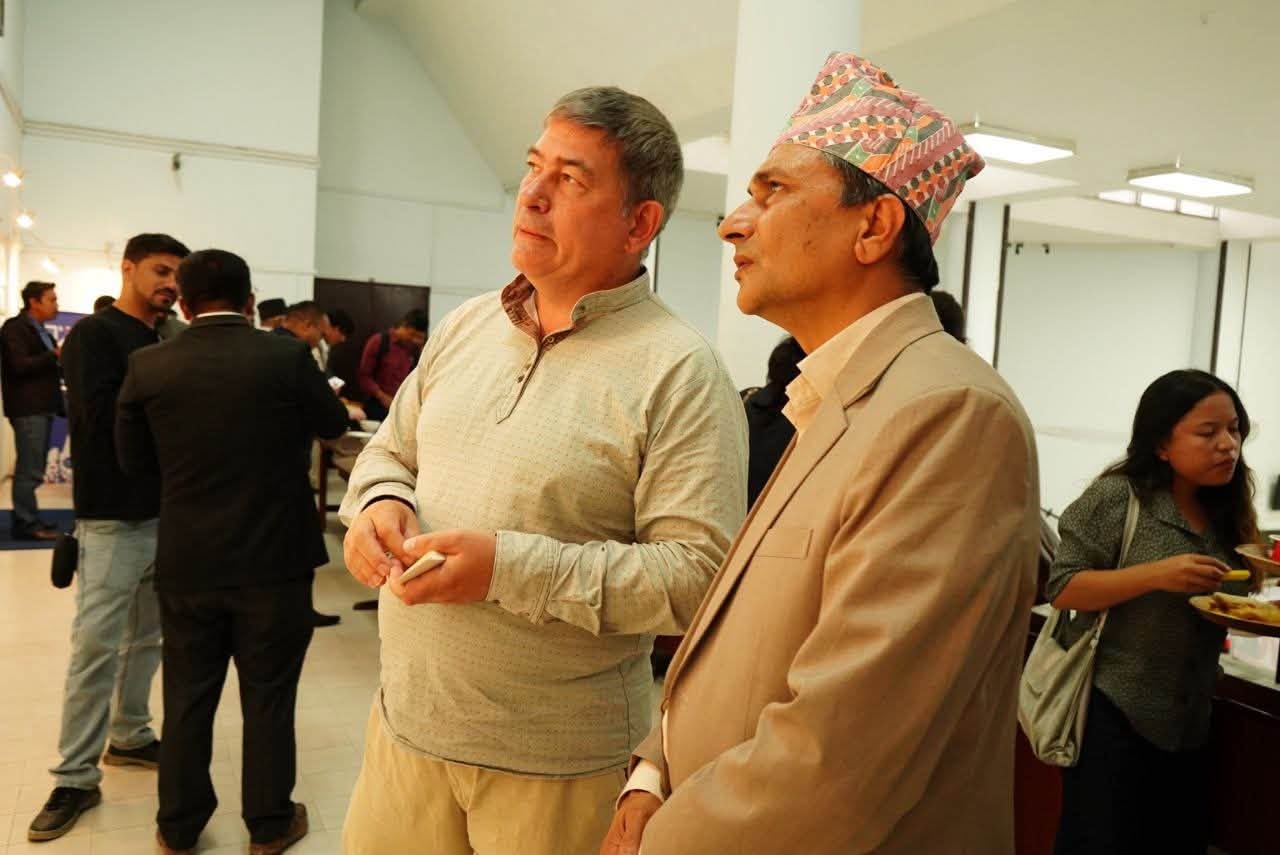
The exhibition was officially opened by Artem Silkin, Director of the State Historical, Architectural and Artistic Museum-Reserve “The Island-Grad Sviyazhsk” and Vice President of ICOM Russia, who personally introduced visitors to the history and cultural significance of Sviyazhsk and other UNESCO-listed heritage sites in Tatarstan.
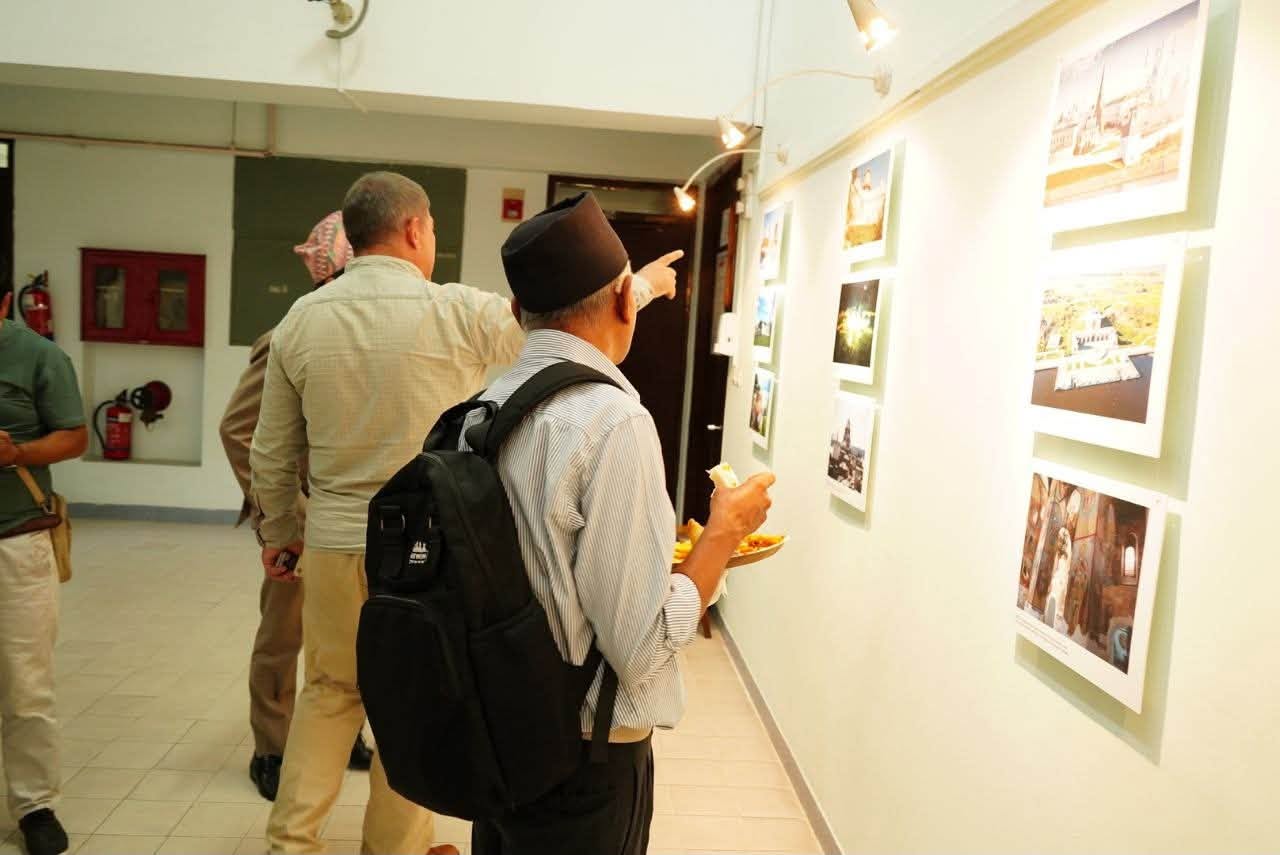
The exhibition features photographs of all four UNESCO World Heritage Sites in Tatarstan, including the Kazan Kremlin (inscribed in 2000), the Bolgar Historical and Archaeological Complex (2014), the Assumption Cathedral and Monastery of the Town-Island of Sviyazhsk (2017), and the Astronomical Observatories of Kazan Federal University (2023).
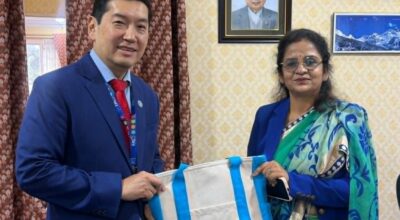
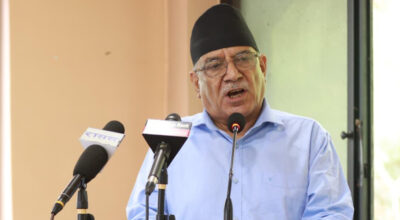
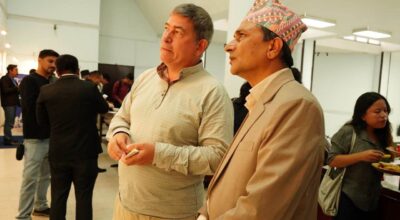
The opening ceremony was attended by several dozen representatives from Nepal’s leading museums, including officials responsible for managing UNESCO World Heritage sites. Participants expressed keen interest in learning about Tatarstan’s cultural legacy and museum conservation practices.
A major highlight of the exhibition is the Town-Island of Sviyazhsk, founded in 1551 as a fortress on the Volga River. Today, the historic island preserves around 40 ecclesiastical and civil architectural monuments dating from the 16th to the early 20th centuries.
Following extensive restoration efforts in the 2010s, supported by the Fund for the Revival of Historical and Cultural Monuments of the Republic of Tatarstan and federal initiatives, Sviyazhsk has been transformed into a major cultural destination. The museum-reserve now includes seven museums and exhibition halls, restoration and craft workshops specializing in glass and ceramics, artist residency programs, and a wide range of cultural festivals and theatrical performances. The heritage destination attracts more than 1.7 million visitors annually.
The exhibition also marked one of the highlights of the ICOM Russia delegation’s visit to Nepal, providing Nepali museum professionals with a unique opportunity to explore Russia’s cultural heritage through the firsthand experience of one of its leading heritage conservation experts. The event further strengthened cultural and museum cooperation between Nepal and Russia while promoting international dialogue on heritage preservation. #Nepal