


NewsPolar AI

Key long-term solutions for waste management
- Mandatory waste segregation at source
- Energy and fertilizer production from organic waste
- Promotion of recycling industries
- Technology-friendly waste management
- Social security and infrastructure development
- Adoption of a zero-landfill policy
Roshani Adhikari Pathak
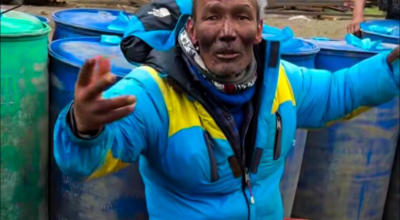
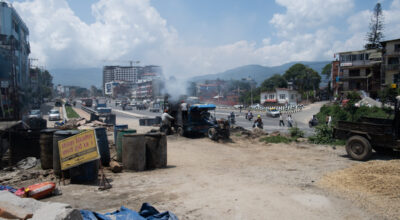
Kathmandu, Nov 10: At present, the Kathmandu Valley itself is facing a severe waste management crisis. Rapid urbanization, population growth, changing consumption patterns, and systemic weaknesses have led to the daily generation of thousands of tons of garbage. However, effective collection and processing of this waste remain a major challenge. Public awareness about segregating biodegradable and non-biodegradable waste at the source is still very limited. Likewise, residents living near landfill sites such as Bancharedanda are burdened with multiple hardships. As a result, disruptions in waste disposal occur repeatedly. Despite numerous commitments and promises from the authorities, central to local, little tangible progress has been made to address the legitimate grievances and health concerns of the local communities. Unless the voices of these locals are understood as just and sensitive issues rather than obstacles, the problem is likely to persist indefinitely.
Waste is not just an eyesore—it has long-term effects on air, water, soil, public health, and the overall ecosystem . Irresponsible dumping habits, irregular waste transportation, and improper disposal without adhering to set standards have all contributed to the growing risk of environmental pollution.
Short-term and superficial fixes—such as merely shifting dumping sites—only patch the problem temporarily rather than solving it sustainably. For a lasting, systemic, and scientific solution, it is necessary to form a team of experts to study the issue and recommend practical measures.
Environmental impacts
Improperly disposed waste emits harmful gases like methane, which intensify climate change and disrupt natural ecological balance. Similarly, leachate—a toxic liquid from landfill sites—contaminates rivers, streams, and groundwater sources, posing threats to humans and all forms of life. Both international studies and local experiences confirm these dangers.
Moreover, plastic waste, which forms a significant portion of urban garbage, has become a serious environmental challenge. Plastics clog drainage systems, increasing the risk of urban flooding. The growing plastic pollution crisis has dire consequences for both environmental conservation and human health.
If waste continues to be managed carelessly and irresponsibly, it will inevitably lead to complex challenges for biodiversity, environmental sustainability, public health, and long-term development goals.
Key long-term solutions
1. Mandatory waste segregation at source
Among the 11 local levels in the Kathmandu Valley, including Kathmandu Metro City and Lalitpur Metro City, many are violating existing laws by transporting mixed waste. It remains unclear whether this results from ignorance of the Solid Waste Management Act, 2068 (2011) or sheer negligence. Section 3 of the Act assigns the responsibility of waste management to local governments, while Section 6 mandates segregation of waste at the source into at least organic and inorganic categories. However, by neglecting these legal requirements, local bodies are turning a manageable issue into a major crisis.
Households, offices, businesses, and industries must be required to separate organic, inorganic, and recyclable waste at the point of origin. This system must be strictly enforced with strong public awareness and community participation. Simply transporting garbage around without addressing the root cause will never solve the problem. What is urgently needed is disruption of the old patterns, bold decision-making, and effective implementation.
2. Energy and fertilizer production from organic waste
According to various studies, more than 60% of the total waste generated in the Kathmandu Valley is organic and recyclable. Once biodegradable waste is segregated at the source, it can be converted into compost manure and biogas. Many international examples show how effectively this can be done. In fact, organic waste can easily be turned into compost at the household level.
There are various composting methods, and local governments could easily promote and subsidize the materials and technologies needed for such practices. With proper awareness and planning, programs for pit composting, vermicomposting, and bin composting can be introduced to households, turning waste into value. Using such compost for kitchen gardens and rooftop farming would help improve the city’s environmental balance.
Furthermore, in collaboration with the private sector, this concept could be scaled up into a waste-to-energy and organic fertilizer industry, creating both environmental and economic benefits.
3. Promotion of recycling industries
Studies indicate that as people’s purchasing power increases, so does the amount of waste they generate. Looking at the current composition of waste in the Kathmandu Valley, non-biodegradable waste makes up a relatively small portion—and is not very difficult to manage.
If non-biodegradable materials are sorted at the source, the cycle of transporting waste 26 kilometers away only for scrap collectors to sort and sell recyclable items—before bringing them back to Kathmandu—could finally end. This wasteful cycle has continued for years without serious reflection. By establishing recycling centers for plastic, paper, metal, and electronic waste, local bodies could create employment opportunities while ensuring significant environmental benefits.
4. Technology-friendly waste management
Around the world, numerous studies have explored how to manage sorted waste efficiently. Many recommend adopting modern, context-specific systems. In Nepal’s case, effective management could be achieved by introducing:
- Smart collection systems
- GPS-based waste monitoring
- Digital billing systems, and
- Centralized waste control hub
These measures could make the waste management process more efficient and transparent. Additionally, a team of experts should study and recommend other suitable technological methods based on local scenario and context.
5. Social security and infrastructure development
Little attention has been drawn to the health and livelihood impacts faced by residents living near landfill sites or slum of many river streams in the valley. It is the state’s primary and obligatory responsibility to improve the living standards of those affected and to implement long-term compensation and rehabilitation plans. Residents living near landfill zones and slum area should be integrated into safe and planned settlement development projects. However, there is currently no visible initiative or enthusiasm from government agencies in this regard.
Infrastructure improvements—such as paving roads to landfill sites, ensuring regular operation of local health facilities, facilitating education for children, and promoting income-generating programs—have been largely neglected. Even when local protests result in agreements, implementation remains disappointingly poor.
6. Adoption of a zero-landfill policy
Local bodies should adopt the Reduce–Reuse–Recycle–Recover (4R) approach to minimize waste disposal. Waste is not merely a problem—it is a resource, if managed properly. Instead of continuously searching for new landfill sites, municipalities should intensify the 3Rs approach already enshrined in law — Reducing waste at the source, Reusing materials, and Recycling them effectively.
If local governments focus on waste segregation and management at the source, they will significantly reduce the need for new landfill sites and the complications that come with them. A Zero-Landfill Policy would mark a major step toward sustainable waste management in Nepal.
Conclusion
The key question today is how we perceive waste. The problem lies both with politicians who refuse to truly understand the issue and with the private sector, which has turned waste management into a lucrative business. The law is on one side, and waste management on the other—this irony has already consumed more than three years of local representatives’ tenure, and the remaining time seems destined to follow the same unproductive path.
Kathmandu’s waste crisis is not just a failure of management; it reflects urban behavior, policy priorities, and environmental accountability. Achieving a sustainable solution requires the active participation of the government, private sector, community, and citizens alike. A clean city, healthy society, and green environment can only be realized through the scientific implementation of strong policies and collective responsibility.
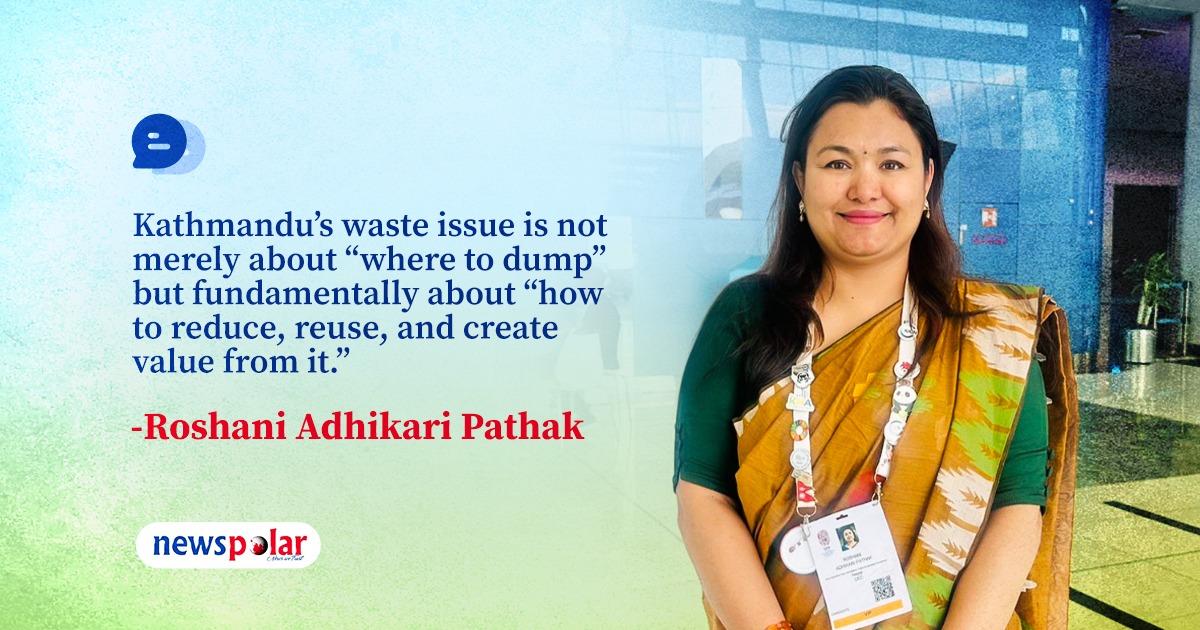
Protecting the environment today is the only way to ensure a safe and livable society for future generations. Kathmandu’s waste issue is not merely about “where to dump” but fundamentally about “how to reduce, reuse, and create value from it.” Only through the integration of policy, technology, social cooperation, and responsible civic behavior can the city become truly clean, healthy, and sustainable. Sustainable waste management is, in essence, an investment in our future—a shared goal of a clean city, a safe environment, and a green tomorrow.
Even from a practical standpoint, it is not surprising that garbage trucks carrying foul-smelling waste are often denied entry into many areas. Residents around Kathmandu refusing to let the city’s waste be piled near their homes is understandable; even if they temporarily allow it, such arrangements are never permanent solutions. Yet, from an environmental justice perspective, this situation is deeply unfair. If we are to uphold the principles of environmental justice, there is no alternative to scientific management and segregation of waste at the source.
A large portion of non-biodegradable waste is recyclable. Instead of taxing scrap materials, the government should make policy and legal provisions to exempt them from taxes, facilitating their transfer to recycling centers. If only a small amount of truly unusable waste reaches the final disposal point, identifying suitable landfill sites will become much easier. Moreover, managing smaller volumes of waste will allow landfill sites to last significantly longer, ensuring a more sustainable waste management system overall.
—
Roshni Adhikari Pathak is recently elected Regional Councillor of IUCN (International Union for Conservation of Nature) for South and Southeast Asia. She was the former President of Nepal Forum of Environment Journalists (NEFEJ).