


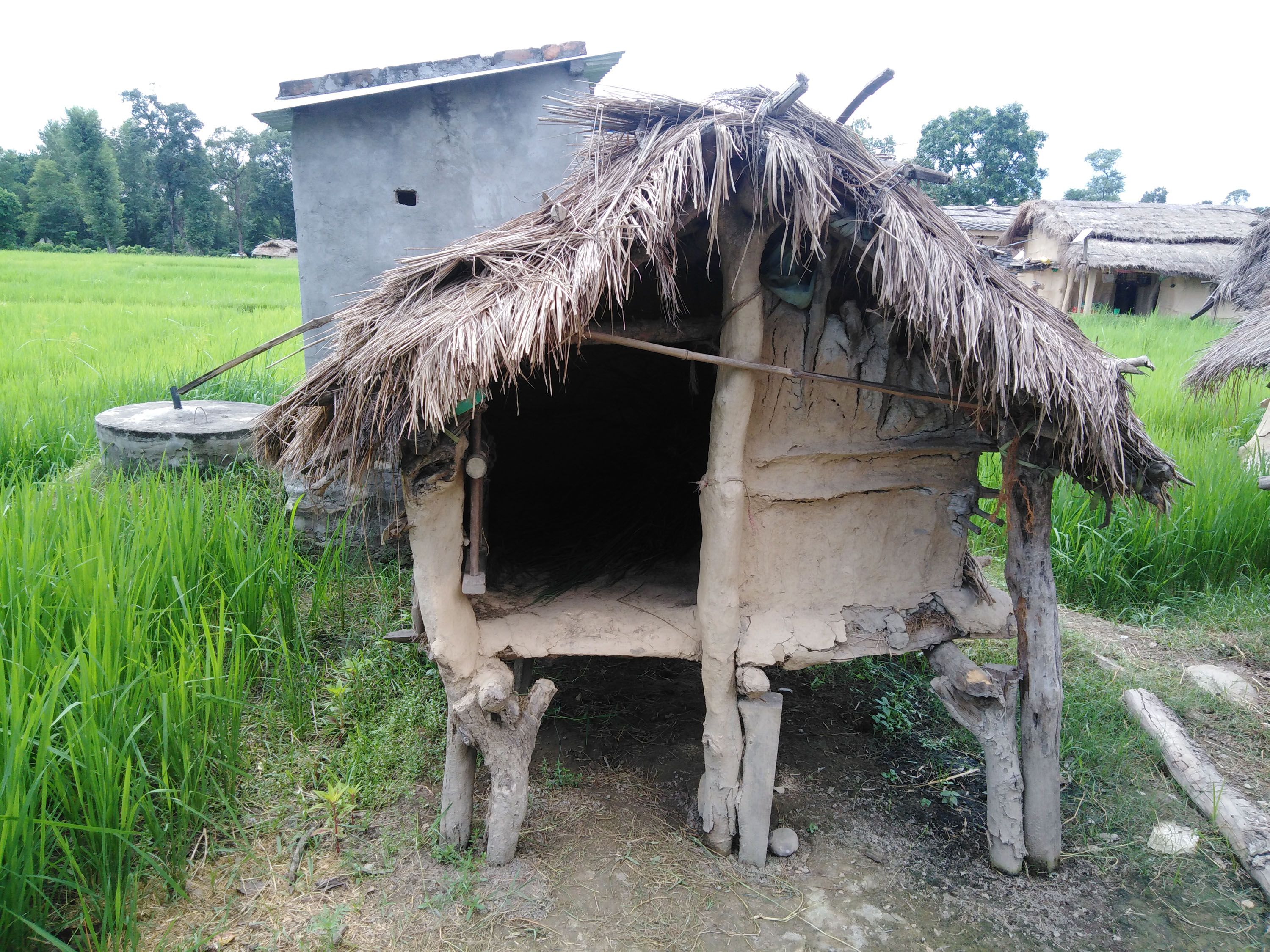
Jumla, May 17: Women in Patarasi Rural Municipality have gradually begun abandoning the harmful tradition of forcing menstruating women to stay in chhuigoth or menstrual huts during their periods. Most women in the area are now choosing to stay safely inside their homes during menstruation while maintaining hygiene and consuming nutritious food. The shift has gained strong support from the local government and community stakeholders.
According to Bhagwati Giri, preparations are underway to declare Ward No. 1 of the rural municipality a “Chhuigoth-Free Ward.” She said Ward Nos. 2, 4, and 5 have already been declared free of the practice, while efforts are ongoing to eliminate Chhuigoth from the remaining wards.
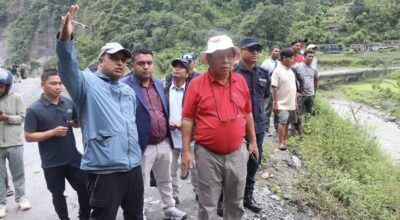
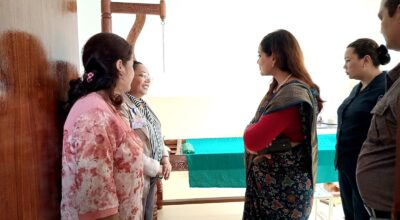
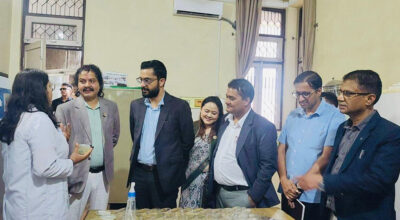
A monitoring team led by Rural Municipality Vice-Chair Janamaya Rokaya, along with officials from the education and health sectors, ward chairpersons, and other stakeholders, has been conducting field visits and awareness programmes across local settlements.
Community groups, including the Laligurans Mothers’ Group, have also been actively involved in campaigns against the Chhaupadi system. With support from the rural municipality, Sarvodaya Nepal has been running awareness and women’s empowerment programmes focused on dignified menstruation practices.
Vice-Chair Rokaya said the Chhaupadi tradition has long harmed women’s health, dignity, and safety, and the municipality is working to declare Patarasi completely free from menstrual huts. She noted that forcing women to stay in isolated sheds during menstruation causes mental stress, fear, humiliation, and various health problems.
Ward No. 1 Chairperson Lal Singh Aidi said most women in the village have recently started staying at home during menstruation, reflecting positive social change in the community. Similarly, health section chief Ratan Bahadur Budha Thapa warned that staying in menstrual huts exposes women to serious health risks, including infections, pneumonia, uterine problems, and mental stress due to cold and unsafe conditions.
According to Devendra Acharya, a monitoring committee has been formed under the coordination of Vice-Chair Rokaya to oversee the municipality’s Chhaupadi elimination campaign. In Karnali and Sudurpashchim provinces, women staying in menstrual huts have previously faced attacks by wild animals and deaths caused by snakebites. Local residents say growing awareness has encouraged women and communities to increasingly reject the harmful practice.#Nepal