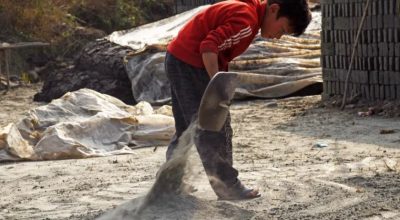



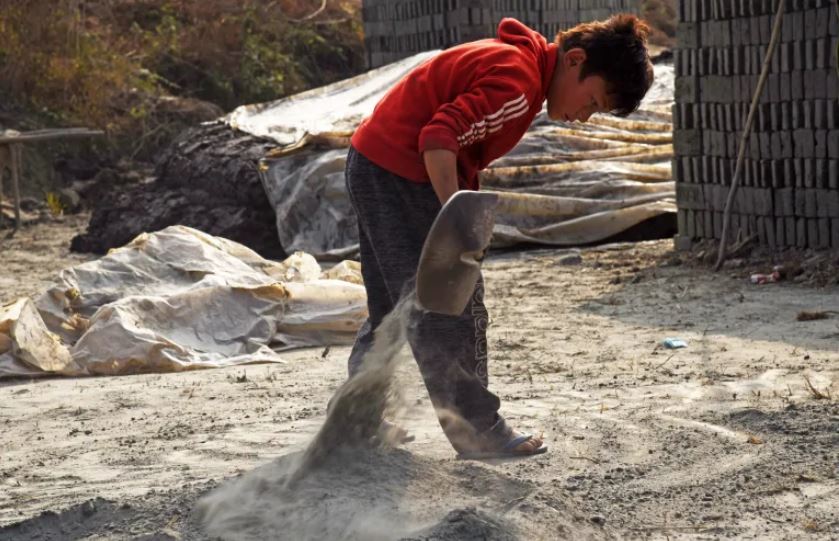
Kathmandu, June 5: Workers in Nepal’s informal sector continue to face wage theft, unequal treatment, and weak enforcement of labour rights, according to a recent study. The report jointly released by ActionAid Nepal, Nepal Mahila Ekata Samaj, and Truth Advocacy Nepal on Thursday examined the conditions of workers employed in construction, agriculture, domestic work, and brick kiln industries, highlighting serious challenges related to wage payments, employment contracts, and access to justice.
The report found that women and other vulnerable groups are at a higher risk of wage exploitation. The study surveyed 361 workers across 13 districts, including 53.5 per cent men and 46.5 per cent women. According to the findings, the majority of Nepal’s workforce remains employed in the informal sector, where labour rights guaranteed by the Labour Act 2017, such as minimum wages, timely payment, and written employment contracts, are not being effectively implemented.
The report revealed that 66.2 per cent of workers did not receive their full wages, while 73.4 per cent reported receiving only partial payments. Additionally, 24.9 per cent received their wages late, and 18 per cent were paid less than the agreed wage rate. The study also exposed the insecure nature of employment in the informal sector. It found that 93.1 per cent of workers did not have written employment contracts, while 67.6 per cent lacked attendance records. Furthermore, 95 per cent of workers relied on cash payments, creating challenges for transparency and maintaining proof of payment.
Access to justice was also found to be limited. According to the report, 89.2 per cent of workers who experienced wage-related problems did not file formal complaints. Among those who did lodge complaints, only 41 per cent successfully recovered their unpaid wages.
The research further noted that many workers are unable to effectively exercise their right to choose their work or negotiate their wages. It also found that 67.3 per cent of workers’ families had no alternative source of income, meaning wage non-payment directly threatens their daily livelihoods.
Speaking at the report launch, National Human Rights Commission member Sumitra Devi Rai emphasised that the failure to provide workers with timely and fair wages is a serious issue. They urged relevant authorities to ensure respect for labour, equal rights, and effective enforcement of labour laws.
The study recommends mandatory worker registration, compulsory written employment contracts, proper documentation of wage payments, and the establishment of effective grievance mechanisms. Researchers concluded that despite existing legal provisions, weak implementation continues to leave informal sector workers vulnerable to exploitation and injustice. #nepal