

© 2024 All Rights Reserved Enewspolar

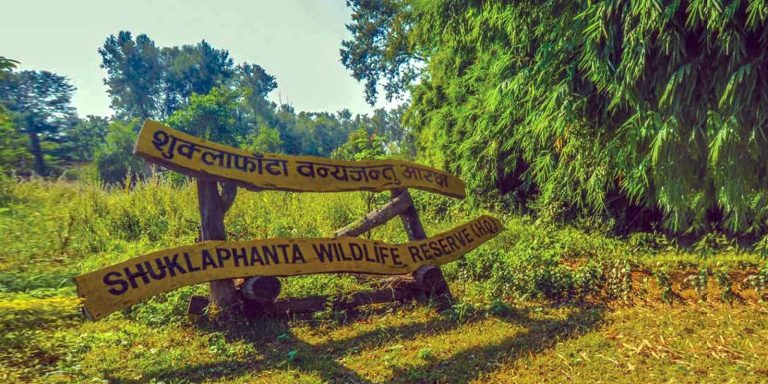
Mahendranagar, July 20: Groups of women who were reportedly missing after entering the Shuklaphanta National Park (SNP) in Kanchanpur to collect mushroom have been found safe. Following the reports 14 women from Bagphanta of Bheemdutta municipality-19 had gone missing inside the park area since Sunday evening, the Nepali Army (NA)

Kanchanpur, July 10: Tourist attraction to Shuklaphanta National Park is found continuously increasing. Four thousand one hundred and ninety-one tourists
Kanchanpur, June 24: The annual census of the endangered Golden Weaver bird has begun in Shuklaphanta National Park in Kanchanpur

Shuklaphanta National Park, spreading over an area of 305 square kilometres, is known for its rhinoceroses. The park has more
Kanchanpur, April 21: The census of swamp deer has begun today in Shuklaphanta National Park. A total of 35 people

Mahendranagar, March 10: A tiger census began in and around Shuklaphanta National Park on Tuesday. According to park authorities, the
Kanchanpur, Feb 25: Tiger count is beginning in the Shuklaphanta National Park (SNP) from March 7. Information officer at SNP,
Kanchanpur, Jan 23: The number of water birds has been found increased in Shuklaphanta National Park and surrounding wetlands this
Kanchanpur, Nov 16: A total of 514.31 hectares of land in Shuklaphanta National Park has been reported as encroached. Of
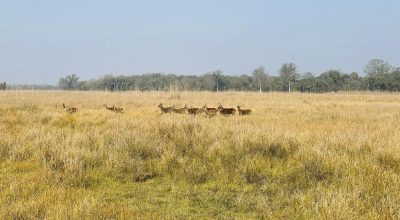
Jungle safari has been resumed in Shuklaphanta National Park. The park administration has opened jungle safari for tourists in Shuklaphanta
© 2024 All Rights Reserved Enewspolar
Developed By:
