


Chitwan, April 27: A recent study has found that improper management of liquid waste from industries operated by the Chaudhary Group in Nawalpur is causing a severe foul odour in surrounding areas and posing a serious risk to underground water sources.
The study revealed that untreated and foul-smelling wastewater is being discharged directly into rivers without proper processing. According to the report, polluted water is flowing into the Narayani River via the Karkadaha stream in Devchuli. Conservationists warn that this could harm wildlife, while local residents have been heavily affected by the persistent stench.
Residents have repeatedly protested against the pollution, even locking the CG Industries office at one point. They also submitted a memorandum during a visit by former Home Minister Sudan Gurung.
Following growing public concern, a monitoring committee was formed on April 17 by the District Administration Office under the Prime Minister’s directive. The committee, coordinated by Assistant Chief District Officer Chiranjivi Rana, included representatives from Chitwan National Park, the municipal environment branch, local ward offices, the forest office, and youth representatives.
After a seven-day study, the committee concluded that harmful wastewater is entering the Narayani River, and wildlife is drinking from contaminated sources. It has recommended an immediate halt to the discharge of untreated wastewater and urged further action from the federal government.
The industrial area in Devchuli Municipality spans about 70 bighas, with multiple CG-affiliated companies—including CG Foods Nepal, CG Brewery Nepal, and CG Print and Packaging—operating within it. Although wastewater from some industries is sent to a central treatment plant, the committee found that excess volume beyond the plant’s capacity has resulted in untreated discharge into nearby water bodies.
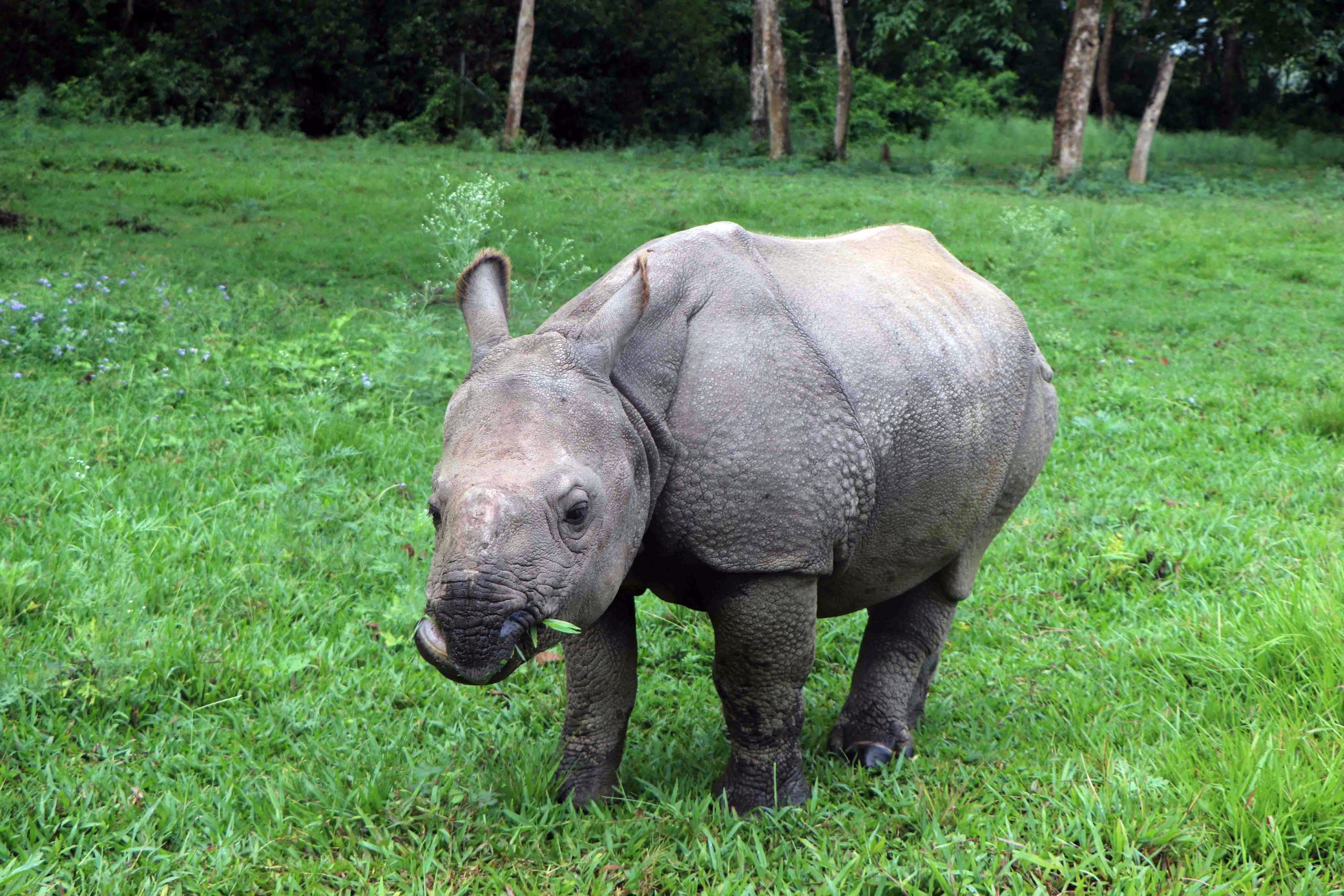
Concern has also been raised by Chitwan National Park after evidence showed wildlife consuming chemically contaminated water. Water samples collected from different points between the industrial site and the river indicated the highest contamination near the source, with dilution occurring downstream. However, park officials stressed that this does not make the situation acceptable.
The committee further noted that previous agreements with local stakeholders have not been implemented. An earlier commitment made on November 26, 2024, to upgrade infrastructure—including increasing the treatment plant’s capacity from 900 to 1,500 kilolitres per day—remains unfulfilled.
Additionally, directives from the Ministry of Forests and Environment requiring regular monitoring and reporting of emissions and wastewater discharge have not been followed. No self-monitoring reports have been submitted to either the department or local authorities.
While acknowledging the industrial park’s contribution to economic activity, employment, and revenue generation, committee members emphasized that industries must comply with environmental standards. They have recommended expanding treatment capacity, adopting cleaner technologies such as electric boilers, and taking greater responsibility for protecting the environment, public health, and wildlife. #Nepal