


Kathmandu, July 22: The Dhaubadi Iron Company Limited (DICL) has taken a major step toward developing Nepal’s largest iron ore project by initiating mining plans for the first two blocks of the Dhaubadi Iron Ore Mineralisation Area in Hupsekot Rural Municipality-5, Nawalparasi (East).
The state-owned company has awarded the contract for preparing a Mining Scheme Report for the Pokhari and Ratekhola blocks to Ekjati Engineering Pvt. Ltd., according to a letter issued on June 24.
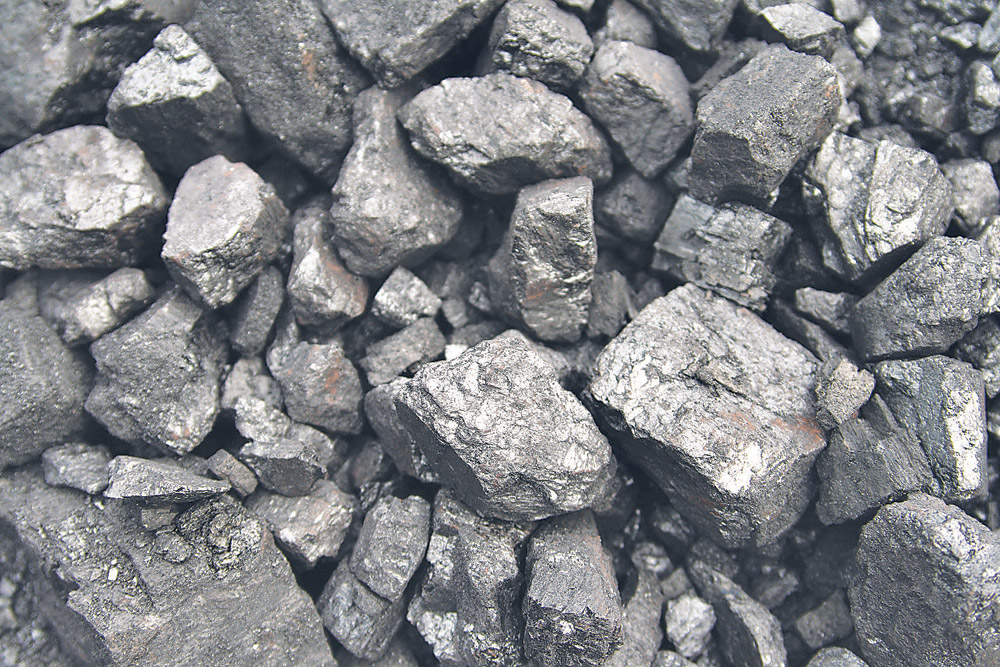
The report will serve as the operational blueprint for the safe and systematic extraction of iron ore. According to preliminary estimates by the Department of Mines and Geology (DMG), the Dhaubadi mineral area contains around 100 million tonnes of iron ore deposits.
Project details prepared by the Investment Board Nepal (IBN) for the Investment Summit 2024 estimate reserves of 7.3 million tonnes in the Pokhari block and 18 million tonnes in Ratekhola.
The remaining reserves are distributed across Dhaubadi (32.5 million tonnes), Durlunga (14.2 million tonnes), Ramche North (15 million tonnes) and Ramche South (9.3 million tonnes).
DICL Chief Executive Officer Dr. Janak Bahadur Chand said the company is currently carrying out chemical analysis of ore samples collected from the project area. “We have sent the samples to laboratories for chemical analysis. The results will determine the proportion of iron ore in the deposits, and the analysis is expected to take two to four months,” he said.
The company is also preparing to begin work on the project’s Detailed Project Report (DPR). Eleven consulting firms have expressed interest in preparing the DPR, which is expected to be completed within 18 months.
Drilling operations have also progressed substantially. Of the planned 2,200 metres of drilling, 1,512 metres have already been completed, yielding sufficient samples for analysis. Company officials believe further drilling may not be necessary. Geological studies indicate that the iron ore bands at Dhaubadi are 15 to 30 metres thick, consisting of alternating layers of hematite-rich ore and slate/phyllite.
The Rs. 51.25 billion (US$394.2 million) project is expected to generate around US$391 million in revenue and approximately US$29 million in net profit, based on 2024 estimates. If development proceeds as planned, commercial production is expected to begin by early 2030, according to Dr. Chand.
The Investment Board estimates the project contains 126.76 million tonnes of hematite ore. Previous chemical analyses have found total iron (TFe) content ranging from 17 to 58 percent, while metallurgical testing indicates an average iron content of about 35 percent.
Besides iron, the project is expected to produce silica, quartzite, and construction aggregates suitable for railway infrastructure as by-products. The processing plant is also projected to generate around 70 megawatts of electricity. “It is a zero-waste project,” Dr. Chand said.
Once operational, the project is expected to meet about one-quarter of Nepal’s annual iron demand, which is projected to exceed 2 million tonnes.
The government has reiterated its plan to reduce its ownership in DICL and develop the project under a Public-Private Partnership (PPP) model by bringing in private sector investment. The proposal was announced by Finance Minister Dr. Swarnim Wagle in the 2026/27 national budget, with the aim of accelerating the development of Nepal’s strategic mining sector. #nepal