


Kathmandu, July 25: The Joint Steering Committee of the United Nations Sustainable Development Cooperation Framework (UNSDCF) between Nepal and the United Nations reviewed progress, set priorities for the final eighteen months of implementation, and endorsed the roadmap for Nepal’s next Cooperation Framework 2028–2032.
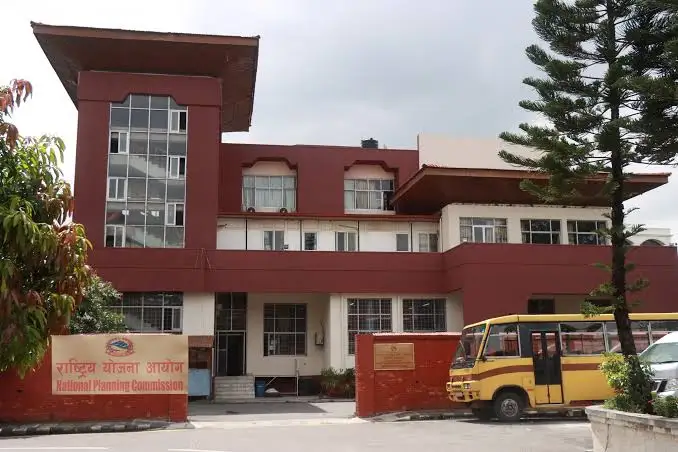
The annual meeting co-chaired by Vice Chairperson of the National Planning Commission, Dr Gunakar Bhatta and UN Resident Coordinator (UNRC) for Nepal, Lila Pieters, Yahia formally launched the joint preparation process that will conclude with the signing of the new Framework in July 2027.
The UNSDCF is prepared under the Government of Nepal and the United Nations Country Teams joint leadership and aligned with the Sixteenth Plan and Nepal’s transition from Least Developed Country (LDC) status.
Speaking at the meeting, Vice Chairperson Dr Bhatta appreciated the UN system for continued partnership in advancing the shared priorities, including the implementation of the Sustainable Development Goals, preparations for graduation from the Least Developed Country category, financing for sustainable development, climate action, and institutional strengthening.
He further highlighted that emerging opportunities including population dividend, rapid digital transformation, clean energy potential and the global networks of diaspora can become powerful drivers of Nepal’s long-term prosperity. As the formulation of the UNSDCF 2028-32 has begun, he emphasized that the next Cooperation Framework must be ambitious and forward-looking, firmly aligned with national priorities and grounded in evidence, responding to the Nepal’s development need and aspirations.”
The Committee took stock of results delivered through the current Framework: stronger climate and disaster resilience through the Climate Change Financing Framework, NDC 3.0, the Living Sagarmatha Mountain Resilience Strategy and anticipatory action; a national model linking school meals to local agriculture; expanded skills, finance and enterprise opportunities for women and young people; private sector engagement and decent jobs/employment generation and progress on ending child marriage, addressing gender-based violence, the National CEDAW Roadmap, legal identity reforms and electoral support, building a more inclusive society.
Joint UN and Government efforts have strengthened Nepal’s health system, eliminating rubella, sustaining kala-azar control and immunizing millions of children and adolescent girls, gains that will now inform investments in human capital and inclusive economic prosperity.
With less than five years to 2030 and LDC graduation approaching, discussions centred on acceleration: expanding women’s participation in the economy, investing in skills and decent jobs for young people, strengthening entrepreneurship and small and medium enterprises, and advancing climate-resilient growth and digital transformation.
Amid declining Official Development Assistance globally, the United Nations stands ready to support the Government in maximizing the impact of existing resources, strengthening capital expenditure performance, accelerating project implementation and advancing innovative financing solutions.
Speaking at the occasion, UNRC Yahia said accelerating the SDGs is one of the most effective pathways to faster economic growth, stronger resilience and a smooth transition from LDC status. But this cannot be achieved through business as usual. It demands investing in women and young people, in skills, decent jobs and entrepreneurship, and in climate-resilient and digital growth, with development firmly anchored in human rights, gender equality and inclusion.
“Through strong national leadership and effective partnerships, Nepal can build a more resilient, prosperous and inclusive future.” #nepal #rss