



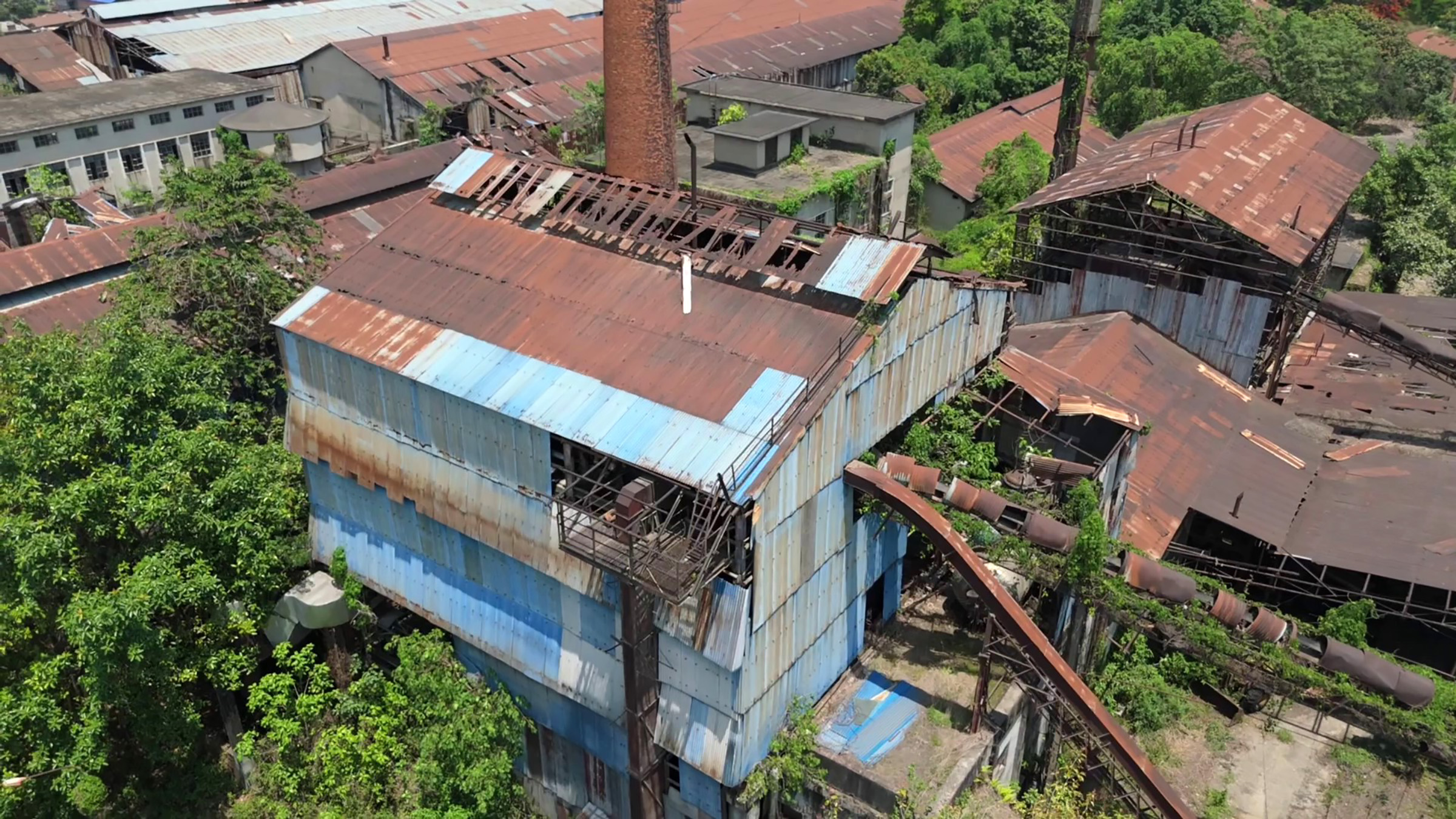
Gaindakot, May 6: Once a symbol of national industrial pride, the Bhrikuti Paper Mill in Gaindakot now stands abandoned, with its structures deteriorating and machinery rusting after 15 years of closure.
Established in 1983, the factory once fulfilled nearly 60 percent of Nepal’s total paper demand. However, it was completely shut down on March 3, 2011, after being handed over from government ownership to the Golchha Organisation.
Today, the premises are overgrown with bushes, with collapsed roofs and rusted equipment turning the site into what locals describe as a “skeleton.” Machines worth millions have become unusable, while the abandoned area has increasingly become a hub for drug abuse, raising safety concerns among nearby residents.
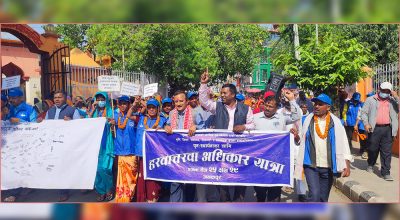
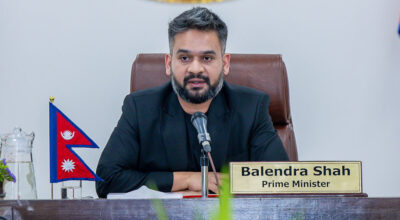
On Monday, locals submitted a memorandum addressed to Prime Minister Balendra Shah through Chief District Officer Bhawishwor Pandey, urging the government to immediately revive the factory with a clear plan.
Local campaigner Ganesh Sapkota said the deteriorating condition poses both social and physical risks.
“On one hand, the site has become a centre for substance abuse; on the other, rusted metal sheets could be blown away by strong winds, endangering residents and travellers,” he said.
Spread over 52 bighas, the factory’s decline has affected not only Gaindakot Municipality but also the overall image of the district. Sapkota accused political leaders of repeatedly promising to revive the mill during elections but failing to act afterward.
Under Sapkota’s leadership, a campaign titled “Clean, Beautiful, Green Gaindakot, Continuous Saturday Campaign” has called on the federal government to redevelop the site—either as an industrial hub, agricultural centre, or a model organised market. The group has given the government a five-day deadline to respond, warning of protests if no action is taken.
333 Workers Still Await Dues
The factory’s closure left hundreds unemployed and increased Nepal’s dependence on imported paper.
While some temporary and contract workers were paid and laid off after the shutdown, 333 permanent employees say they are still waiting for their dues.
According to former employee Damodar Tiwari, who worked at the mill since 1985, around Rs. 400 million remains unpaid to these workers.
As pressure mounts, locals and former employees alike are calling for urgent government intervention to either revive the historic industry or ensure proper utilisation of the site.
“We worked here for 25 years, but after the factory shut down, we were left with neither jobs nor pay. We are the most affected,” said Tiwari. “We hope the state will understand our problem.” Despite multiple written agreements between workers, employees, and management promising payment, Tiwari says the management has yet to take any action.
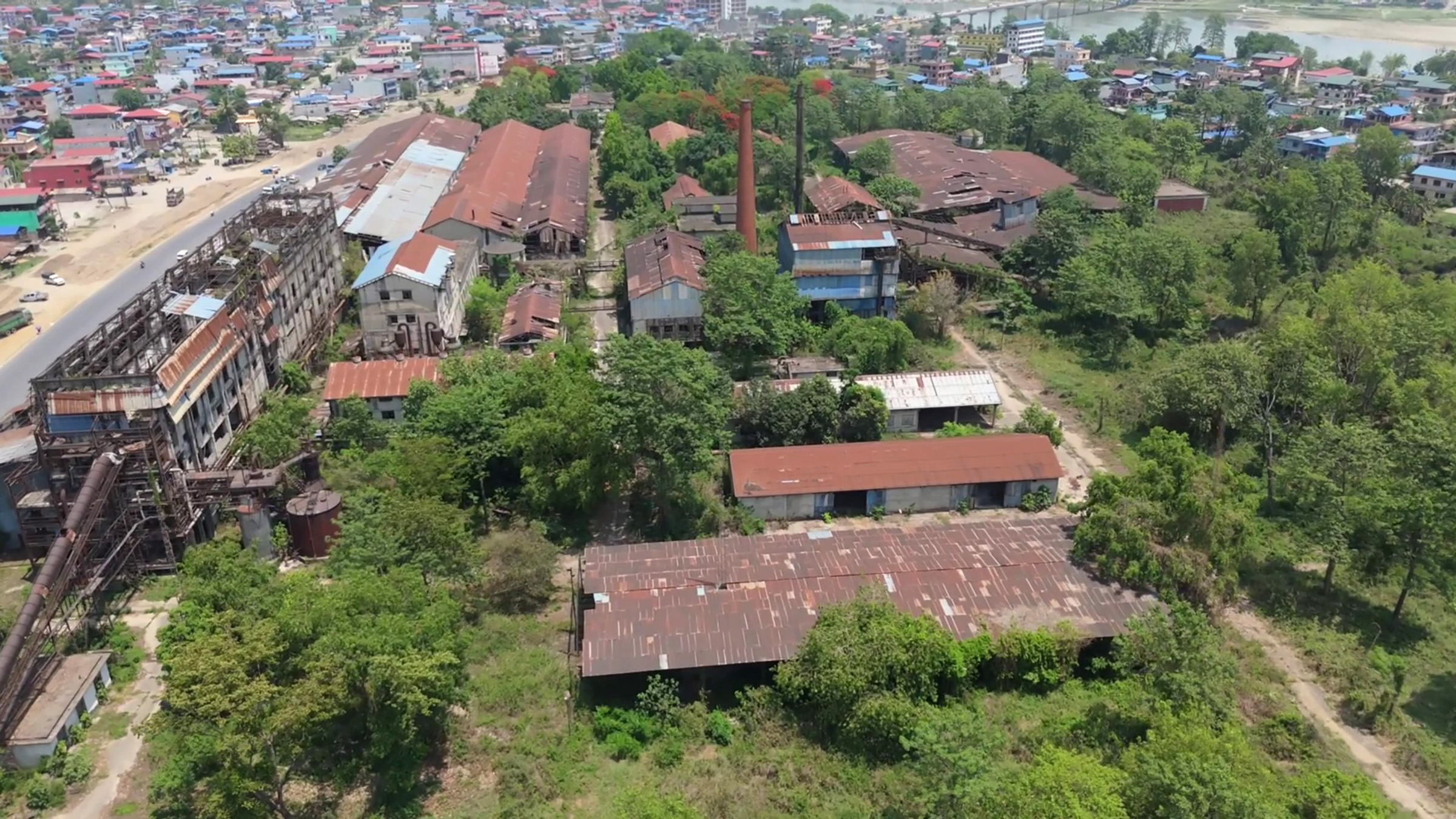
Tiwari also suggested that the government form an expert task force to study the best possible use of the site and implement its recommendations, which would benefit both locals and the state. He stressed that it is urgent to address the unsightly condition of the site along the highway.
The Bhrikuti Paper Mill was built in 1982 with assistance from the Chinese government and handed over to Nepal to make the country self-reliant in paper production. Its decline began after privatisation in 1992.
Under the policy of transferring state responsibilities to the private sector, the government, led by Girija Prasad Koirala, sold the factory in 1992 to Golchha Organisation, Kavra Group, and Konkraft, including all its land and structures.