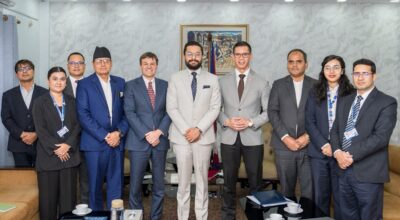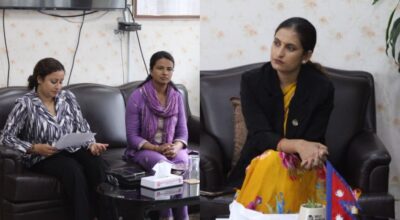



Kathmandu, Dec 5: Stakeholders have underscored the urgent need for expanded research and study on stroke in Nepal. Participants at a workshop on the current status of stroke and future strategies, organised by the Nepal Stroke Association, called for more comprehensive and in-depth research on the issue.
According to the Association’s outgoing President, Dr Raju Paudel, the workshop focused on preventive measures, timely medical intervention during a stroke, and necessary post-treatment precautions. Participants also discussed ways to integrate conventional treatment methods with advanced technologies to enhance the effectiveness of stroke management.
It may be noted that the Association has already prepared and submitted national guidelines on stroke management, and the gathering reiterated the need for their implementation.
In Nepal, a stroke occurs every 10 minutes. A study conducted by the Association reported that 50,000 to 60,000 people in Nepal are affected by stroke each year.
Stroke is a complex medical condition that occurs when blood circulation to a part of the brain is blocked. A lack of oxygen and nutrients leads to the obstruction of arteries, resulting in a stroke. Without timely medical intervention, permanent brain damage may occur, and the condition can become fatal.
Senior neurologist and Founder President of the Association, Dr Lekhjung Thapa, noted that, at the Association’s initiative, the Himalaya International Stroke Summit (August 16–17) was organised in Nepal with the participation of more than 500 medical specialists and health workers from various countries.
One in three stroke cases becomes fatal, and the state must pay special attention to preventing further deterioration of the situation, the gathering concluded.
Globally, one in four people suffers a stroke, and a stroke occurs every three seconds, underscoring the urgent need for stronger preventive measures. #stroke rarasa #health