


Kathmandu, April 2: President of the Rastriya Swatantra Party (RSP), Rabi Lamichhane, has pledged that his party will repay the “debt of the electoral mandate” by fulfilling its responsibilities with action rather than rhetoric.
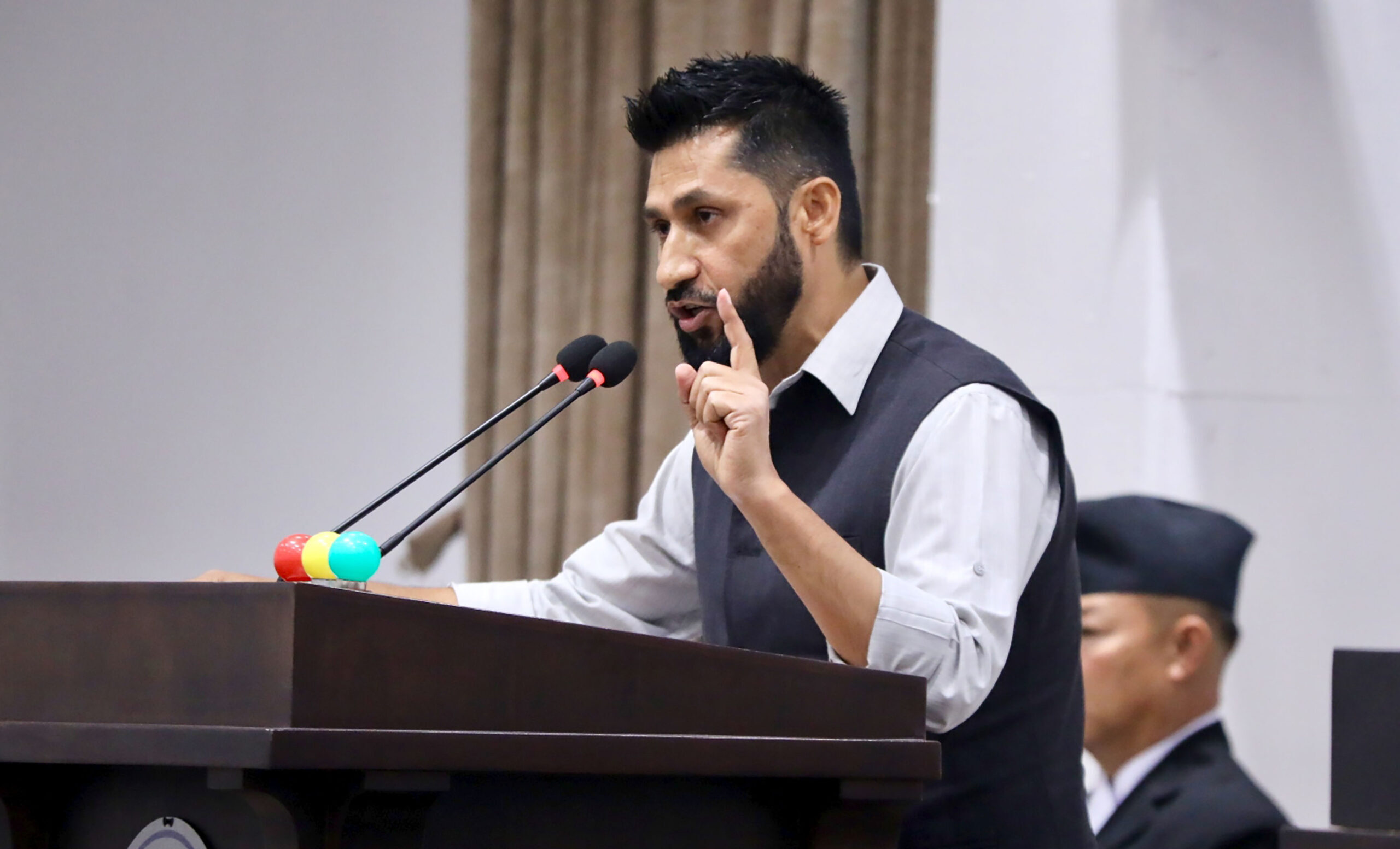
Addressing the first meeting of the first session of the House of Representatives following the March 5 elections, he stated that the people did not vote for the party merely to “run” Singha Durbar, but to “change” it—and that efforts toward that transformation have already begun.
“We have reached Parliament by raising questions. Now, we must prove ourselves through our work, not just words,” he said, adding that the new Parliament should serve as a forum for constructive debate rather than political revenge. He assured that the opposition would not face unjust retaliation or oppression, while also emphasizing that the drive for good governance would remain uninterrupted.
Lamichhane reiterated that every RSP lawmaker must demonstrate their commitment through tangible results. He further asserted that the practice of amending laws to protect political allies or target opponents would come to an end.
Referring to the arrests of former Prime Minister KP Sharma Oli and former Home Minister Ramesh Lekhak in connection with an ongoing investigation, he argued that such actions should not be viewed as political revenge, stressing that justice for victims must take precedence.
He also committed to ensuring equal opportunities and a professional working environment, stating that the private sector—long burdened by middlemen and vested interests—would be freed from such pressures.
The RSP president pledged to eliminate discrimination based on ethnicity or gender, while prioritizing the dignity of senior citizens and improving access to education and healthcare for children.
Calling on those appointed to public positions through political influence to step aside voluntarily, he emphasized that future appointments would be based strictly on legal provisions and merit.
Lamichhane further stated that ambassadorial appointments would be guided by national interest rather than intermediaries, and underscored the importance of engaging non-resident Nepalis by leveraging their capital, skills, and discipline for the country’s economic development.
He concluded by affirming that Nepal would pursue a transparent and balanced foreign policy, with the involvement of both the government and the opposition. #nepal #rabi