

© 2024 All Rights Reserved Enewspolar


Kathmandu, Jan 13: The area under agricultural crops has decreased in Koshi province with the growing migration and the trend of constructing houses and residential structures on agricultural land. The 'Provincial Economic Activities Study Report for Fiscal Year 2023/24' published by Nepal Rastra Bank (NRB) shows that the area covered
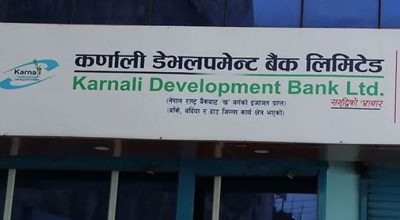
Nepal Rastra Bank (NRB), the central bank of Nepal, has declared Karnali Development Bank as a problematic financial institution.

The Nepal Rastra Bank, the central bank of Nepal, has said that the remittance inflows increased 9.1 percent to Rs.521.63
In the US Dollar terms, remittance inflows reached 3.04 billion in the review period which was 2.76 billion in the
The country has received more than Rs 263 billion in remittance in the second month of the current fiscal year.
As Nepal Rastra Bank (NRB) did not print fresh banknotes this year targeting Dashain and Tihar festivals, the act of
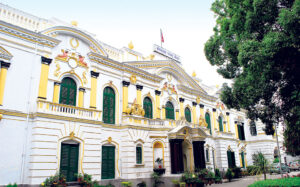
The Nepal Rastra Bank (NRB) has launched the service for exchanging clean notes for the public today, targeting the Dashain
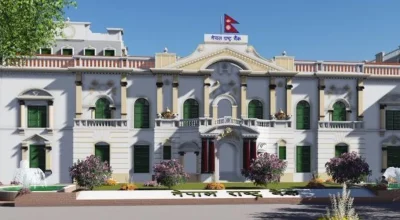
Remittance inflows increased 18.0 percent to Rs.136.93 billion in the review period compared to an increase of 22.8 percent in
As banks deal with elevated non-performing loans and capital constraints, continued vigilance is necessary, including by continuing to strengthen regulation
The global economic situation continues to recover slowly and unevenly from the shocks of the COVID-19 pandemic and subsequent geopolitical
© 2024 All Rights Reserved Enewspolar
Developed By:
