


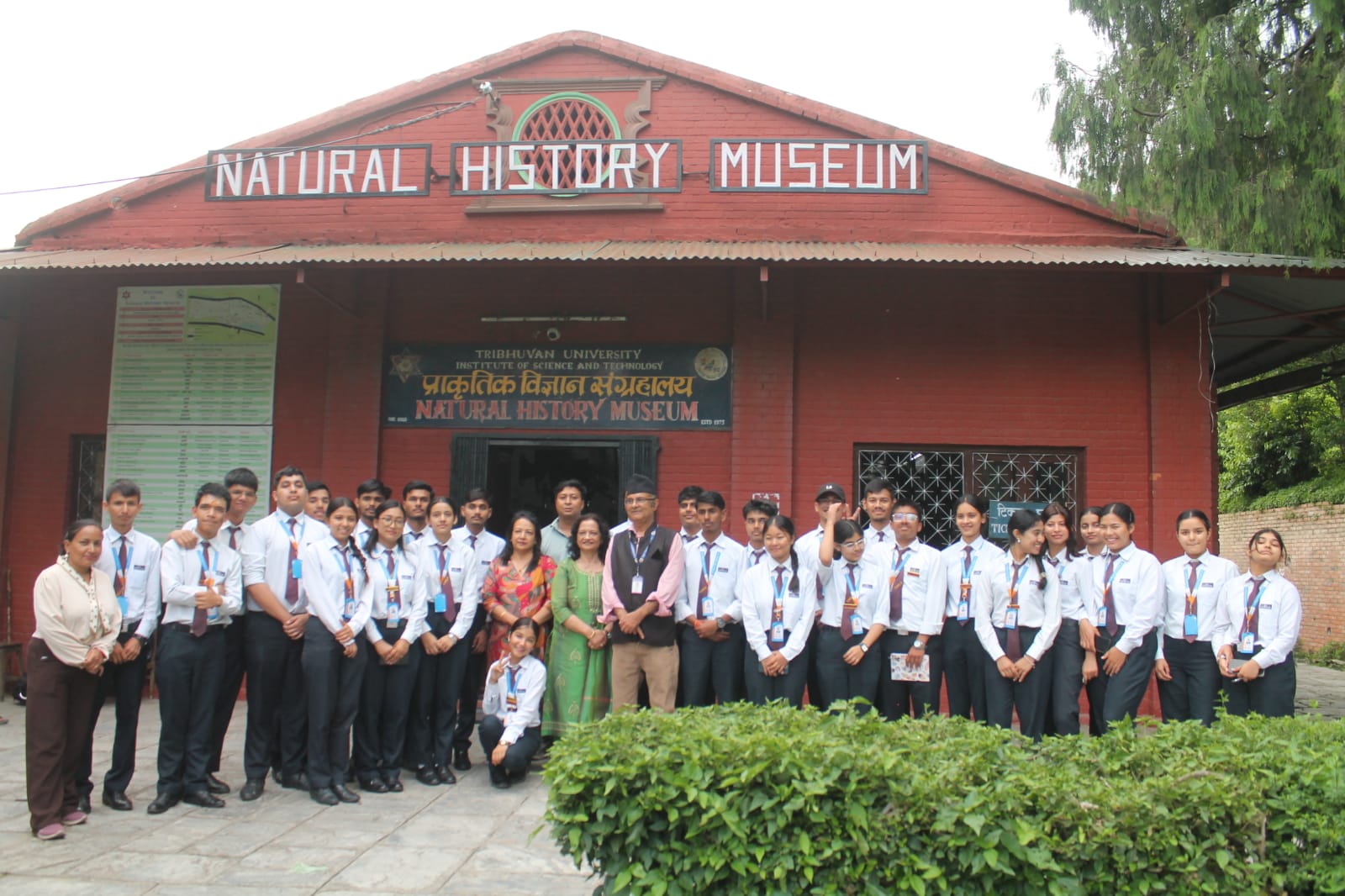
Kathmandu: The First International Day of Botanic Garden Education 2026, announced by the Botanic Gardens Conservation International (BGCI) in conjunction with the Korea National Arboretum (KNA) was successfully celebrated at the Natural History Museum, Swayambhu, Kathmandu, through a joint initiative of the Natural History Museum (NHM), Institute of Science and Technology, Tribhuvan University, and Environment Law Society Nepal (ELSN). The event brought together scientists, conservationists, legal experts, educators, students, and environmental advocates to highlight the pivotal role of botanic gardens in education, biodiversity conservation, and sustainable development.
The program commenced with a welcome address by Dr. Ishan Gautam, associate professor and chief of the Natural History Museum, who highlighted the importance of botanic gardens as living laboratories that bridge science, education, and conservation. He emphasized the need to engage students and the wider public in biodiversity conservation through experiential learning and research opportunities.
A series of informative presentations enriched the event. Prof. Dr. Keshab Shrestha, former chief of the Natural History Museum, delivered a presentation on “Some Plants of Swayambhu Environment Park (SEP), Natural History Museum (NHM), Tribhuvan University,” highlighting the rich botanical diversity conserved within the museum premises. The contribution of Prof. Shrestha to the establishment and development of the SEP, NHM, is widely recognized as remarkable and visionary.
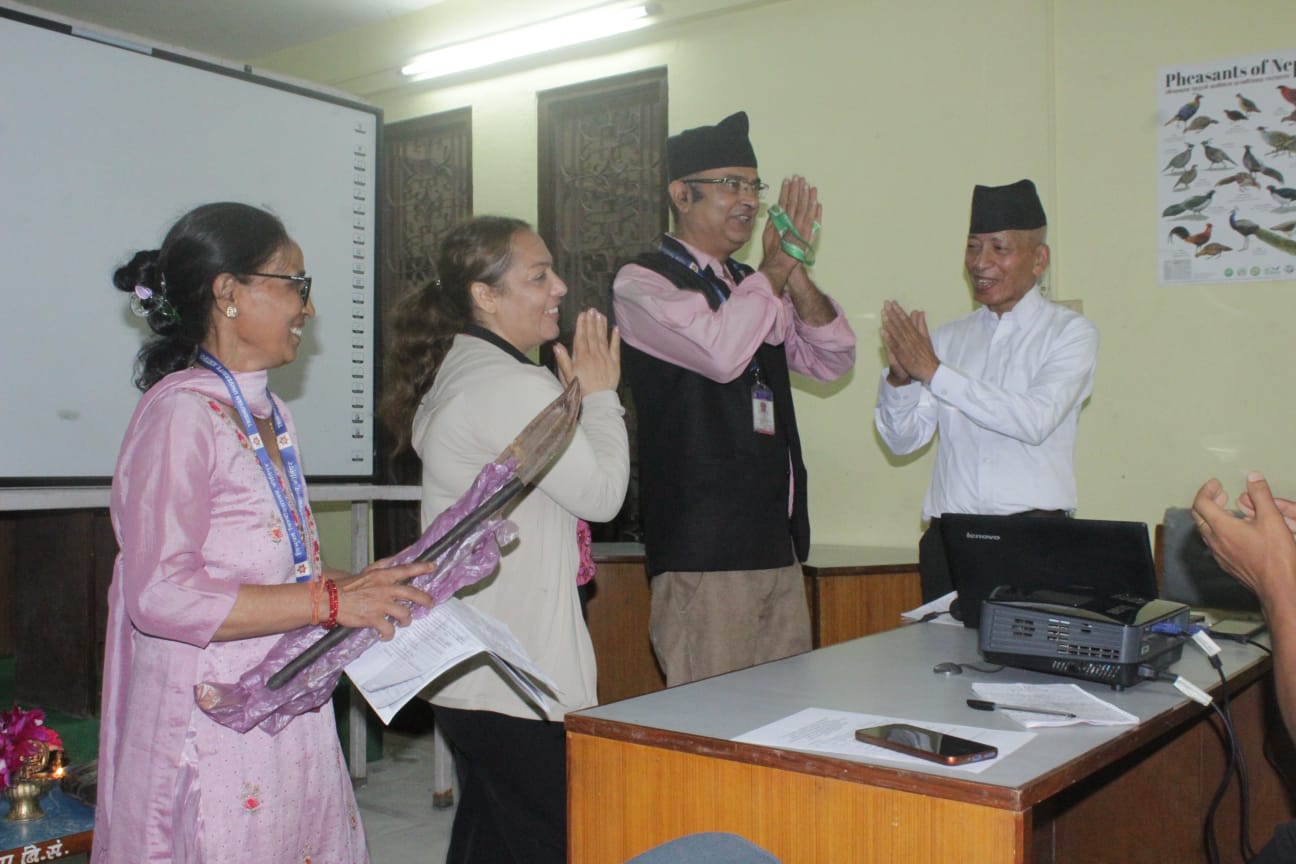
Through his leadership, dedication, and long-term commitment to environmental conservation, botanical enrichment, and nature education, the park was transformed into an important center for biodiversity conservation, environmental awareness, and scientific learning. Because of his pioneering role in conceptualizing, developing, and nurturing the Swayambhu Environment Park, Natural History Museum, many enthusiasts regard Prof. Dr. Keshab Shrestha as the “Father of Swayambhu Environment Park.” His legacy continues to inspire generations of environmental educators, researchers, and conservation practitioners in Nepal.
Advocate and Treasurer of Environment Law Society Nepal, Raju Phuyal, discussed the country’s legal framework for biodiversity and wildlife conservation. Environment Engineer Suraj Shrestha from the Environment Law Society Nepal gave his presentation titled “Motivation for Youth in Wildlife Crime Control in Nepal and the Way Forward,” where he urged young people to get involved in curbing the menace of wildlife crimes and protecting the environment. Additionally, Shrestha stressed the significance of collaborative efforts between ELS and NHM in digitizing selected CITES-listed specimens housed in the Natural History Museum of Tribhuvan University. According to Shrestha, the partnership established by the Natural History Museum and Environment Law Society Nepal illustrates the application of digital technology in conserving the country’s natural legacy along with conservation education and monitoring of endangered species.
Dr. Ishan Gautam delivered a presentation entitled “Botanic Garden and Wildlife, CITES Implementation in Nepal: Bridging Science, Education, and Conservation,” highlighting the NHM’s role in implementing CITES (the Convention on International Trade in Endangered Species of Wild Fauna and Flora) and the important role of botanic gardens and museums in conservation education.
He also emphasized the importance of digitizing museum specimens as scientifically valuable and legally protected specimens to enhance biodiversity documentation, research accessibility, and conservation efforts. The initiative aims to create digital records of selected specimens listed under the CITES, facilitating better inventory management, academic research, public awareness, and international cooperation in wildlife conservation. Appointed by the Government of Nepal in 1990, the Tribhuvan University, Natural History Museum serves as Nepal’s CITES scientific authority for fauna, providing scientific guidance, species identification, and expert guidance to government agencies and stakeholders involved in wildlife conservation and trade regulation.
Similarly, Assistant Professor Bimala Shakya of the Natural History Museum, presented “Some CITES-listed and Endangered Plants Conserved in the Natural History Museum and Their Importance,” showcasing rare and threatened plant species preserved at the museum and emphasizing their significance for research, conservation, and public awareness.
Adding a unique dimension to the event was noted journalist, writer, Langtang Goodwill Ambassador, and Village Tourism Ambassador Ashok Silwal, author of “Everest: An Unfinished Story.” Ashok Silwal is a distinguished Nepali journalist, writer, documentary filmmaker, Langtang Goodwill Ambassador, and Village Tourism Ambassador whose works have significantly contributed to the promotion of Nepal’s tourism, literature, culture, and community-based rural development. Through his writings, documentaries, and public engagement, he has become a prominent advocate for preserving and showcasing Nepal’s natural and cultural heritage. Silwal shared insights from his presentation “H₂O (Himalaya to Ocean): Nepal Book Journey,” highlighting the interconnectedness of botanic gardens and ecosystems from the Himalayas to the oceans and the importance of environmental conservation.
A special highlight of the program was the handover of a newly constructed greenhouse to the Natural History Museum by Ms. Lily Katuwal, CEO of Lily’s Leaves, Lalitpur. During the ceremony, Ms. Katuwal handed over the greenhouse key to chief Dr. Gautam and stated, “We are committed to protecting biodiversity and creating a sustainable world where all creatures can thrive.” Receiving the key, Dr. Gautam expressed gratitude and noted that “The greenhouse will be useful for students’ research and education.”
Several books and scientific articles related to the plants of the Natural History Museum were exhibited during the celebration, providing participants with valuable educational resources. The event also featured a guided tour of the Natural History Museum premises and the Swayambhu Environment Park, followed by the planting of the endangered Himalayan Yew (Taxus wallichiana), symbolizing a collective commitment to conservation and environmental stewardship.
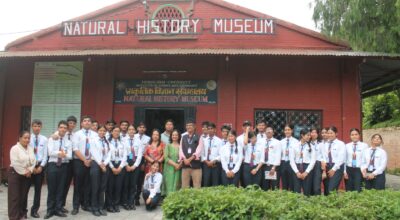
School and college students, accompanied by their teachers, including Dr. Prabha Chitrakar from The Times International College/Secondary School, Dillibazar, Kathmandu, and participants from Geeta Mata Secondary School, Dallu, Kathmandu, actively participated in the celebration. Students enthusiastically shared their views and learning experiences, emphasizing the importance of the botanic garden within the Swayambhu Environment Park for environmental education, biodiversity conservation, and nurturing a deeper connection with nature among young learners. Concluding the event, Dr. Gautam expressed his sincere appreciation to senior advocate Padam Bahadur Shrestha, Er. Suraj Shrestha, advocate Raju Phuyal, Anju Koirala of Environment Law Society Nepal, and Lily Katuwal, CEO of Lily’s Leaves, for their generous support and contributions to the NHM.
The celebration underscored the growing significance of botanic gardens as centers of education, research, conservation, and community engagement, while inspiring participants, especially young students, to become active stewards of Nepal’s rich biodiversity.
The program commenced with a welcome address by Dr. Ishan Gautam, Associate Professor and Chief of the Natural History Museum. In his remarks, Dr. Gautam highlighted the vital role of botanic gardens in scientific research, conservation, education, and public awareness, emphasizing the need to strengthen collaboration among academic institutions, conservation organizations, and local communities.
The celebration featured a series of informative presentations by distinguished speakers. Prof. Dr. Keshab Shrestha, former Chief of the Natural History Museum, delivered a presentation on “Some Plants of Swayambhu Environment Park, Natural History Museum, Tribhuvan University,” showcasing the botanical richness of the park and its importance for conservation and education.
Advocate Raju (Rahu) Phuyal, Treasurer of Environment Law Society Nepal, presented on “Wildlife Protection Law in Nepal,” discussing the country’s legal framework for wildlife conservation and the challenges and opportunities in enforcing environmental legislation.
Er. Suraj Shrestha of Environment Law Society Nepal delivered a presentation on “Motivation for Youth in Wildlife Crime Control in Nepal and Way Forward,” encouraging young people to actively participate in wildlife protection and conservation initiatives.
In his technical presentation titled “Botanic Garden and Wildlife, CITES Implementation in Nepal: Bridging Science, Education, and Conservation,” Dr. Ishan Gautam highlighted the importance of botanic gardens in supporting biodiversity conservation, environmental education, and the implementation of the Convention on International Trade in Endangered Species of Wild Fauna and Flora (CITES) in Nepal.
Assistant Professor Bimala Shakya of the Natural History Museum presented “Some CITES-listed and Endangered Plants Conserved in the Natural History Museum and Their Importance,” emphasizing the museum’s efforts in conserving threatened plant species and maintaining scientific collections for future generations.
The event also featured an inspiring presentation by Ashok Silwal, journalist, writer, Langtang Goodwill Ambassador, Village Tourism Ambassador, and author of “Everest: An Unfinished Story.” His presentation, “H2O (Himalaya to Ocean): Nepal Book Journey,” highlighted environmental awareness through literature and storytelling.
A special highlight of the program was the handover of a newly constructed greenhouse to the Natural History Museum by Ms. Lily Katuwal, CEO of Lily’s Leaves, Lalitpur. Having supported the construction of the greenhouse, Ms. Katuwal formally handed over its key to Dr. Ishan Gautam.
Speaking on the occasion, Ms. Katuwal stated, “We are committed to protecting biodiversity and creating a sustainable world where all creatures can thrive.”
Receiving the key, Dr. Gautam expressed his appreciation and remarked, “The greenhouse will be useful for students’ research and education.”
Several books, publications, and scientific articles related to the plants of the Natural History Museum were exhibited during the event, providing valuable educational resources for participants.
The celebration also included a guided tour of the Natural History Museum premises and a ceremonial plantation of the endangered Himalayan Yew (Taxus wallichiana), symbolizing the commitment of participants toward plant conservation.
School and college students, accompanied by their teachers, actively participated in the program. Participants included Dr. Prabha Chitrakar and students from The Times International College/Secondary School, Dillibazar, Kathmandu, as well as students and teachers from Geeta Mata Secondary School, Dallu, Kathmandu. The students enthusiastically shared their views and learning experiences, highlighting the importance of the botanic garden at Swayambhu Environment Park in environmental education, biodiversity conservation, and fostering a deeper connection with nature among young learners.
Concluding the program, Dr. Ishan Gautam expressed his sincere gratitude to Padam Bahadur Shrestha, Er. Suraj Shrestha, Raju Phuyal, Anju Koirala of Environment Law Society Nepal, and Lily Katuwal of Lily’s Leaves for their generous support and valuable contributions to the successful celebration of the First International Day of Botanic Garden Education 2026.
The event underscored the importance of botanic gardens as living classrooms that connect science, conservation, and education while inspiring future generations to protect Nepal’s rich biodiversity. #nepal