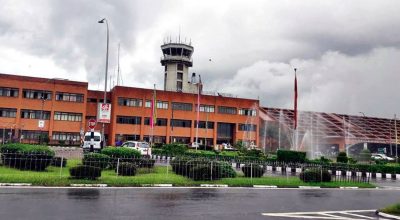



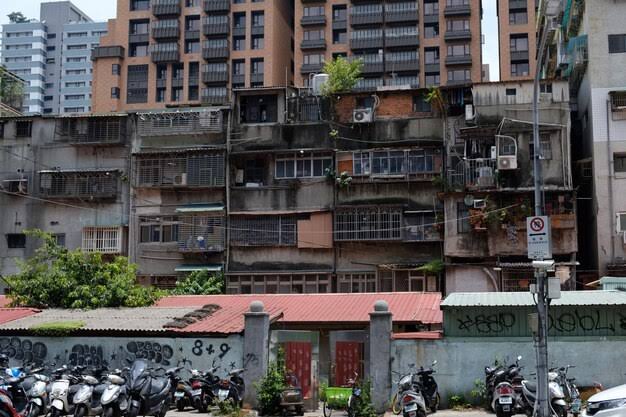
Bangkok, Thailand: Documents and screenshots circulating widely on social media have sparked intense discussion after alleging that a building on the outskirts of Bangkok is being used as a covert surveillance and intelligence-gathering facility.
The materials, whose authenticity has not been independently verified, identify the location as **“Paradise Mansion”** and claim it is equipped to intercept multiple forms of communications, including satellite transmissions, high-frequency (HF) radio signals, long-range communications, and civilian communication networks.
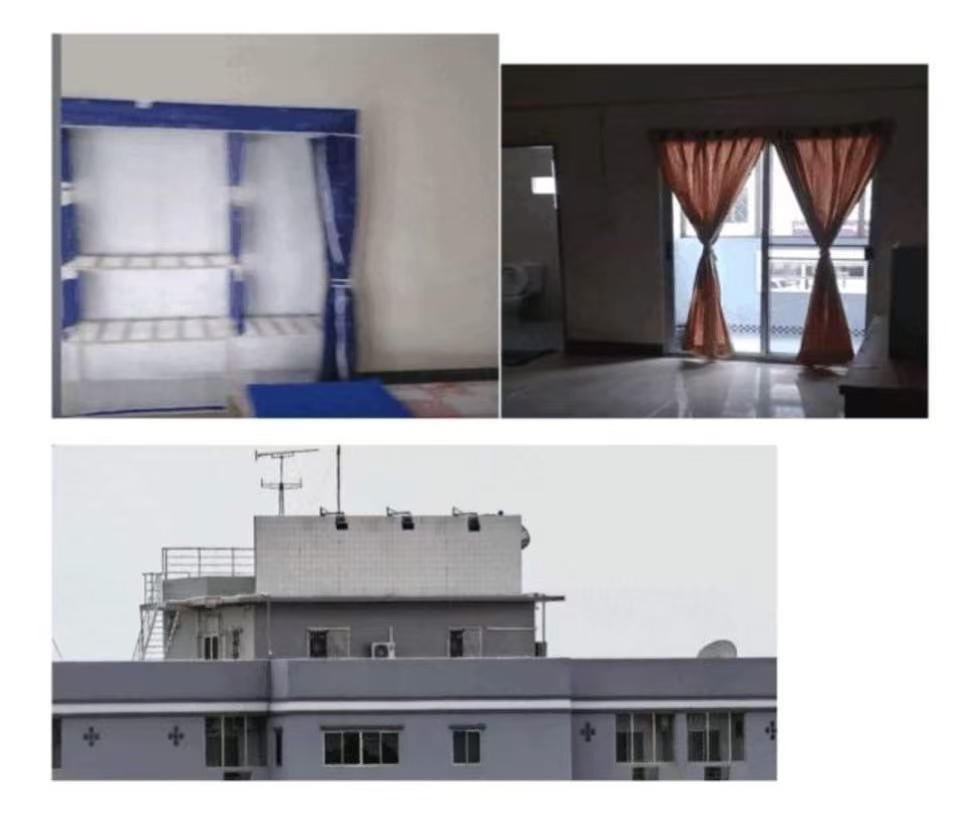
One of the most controversial aspects of the allegations is the claim that the facility’s surveillance activities extend beyond monitoring China-related communications. The documents suggest that communications originating from several Southeast Asian countries—including Malaysia, the Philippines, Laos, Vietnam, Cambodia, and Indonesia—as well as Pakistan, may also have been targeted.
The leaked information further alleges links to communications units associated with Taiwan’s defense establishment. According to the claims, the site contains high-powered antennas and signal-monitoring equipment capable of collecting and processing large volumes of communications data. Some documents also raise concerns about potential health effects from electromagnetic emissions on nearby residents, although no evidence has been provided to support those assertions.
Additional allegations describe the movements of individuals purportedly connected to the operation, claiming they frequently traveled to Thailand’s Ubon Ratchathani and Nakhon Si Thammarat provinces. Some documents also suggest that intelligence personnel may have posed as civilian workers or ordinary residents to gain access to sensitive locations.
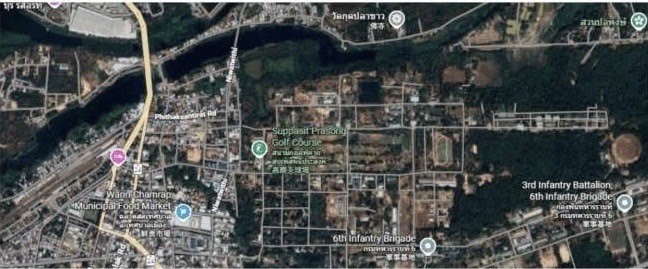
The story has gained traction online because the circulating materials include photographs of the building, maps, vehicle images, and what are claimed to be registration records and operational details. The release of these materials has prompted widespread efforts by internet users to verify the claims and determine their credibility.
Despite the growing attention, no authorities in Thailand, Taiwan, or any of the countries mentioned in the allegations have publicly confirmed the claims. Furthermore, the original source of the documents remains unclear, and the materials have not been independently authenticated.
As a result, the allegations remain unverified and should be treated with caution. There is currently no confirmed evidence that the documents are genuine intelligence records or that the alleged surveillance operation exists.
Nevertheless, the controversy has fueled broader debate over communications security, national sovereignty, privacy protection, and regional intelligence activities in Southeast Asia.
For now, the key questions remain unanswered: Are the allegations based on authentic intelligence information, or are they part of an unverified online information campaign? And is the building in question merely a residential property, or does it serve a more complex role than publicly known? #thailand #bangkok