

© 2024 All Rights Reserved Enewspolar

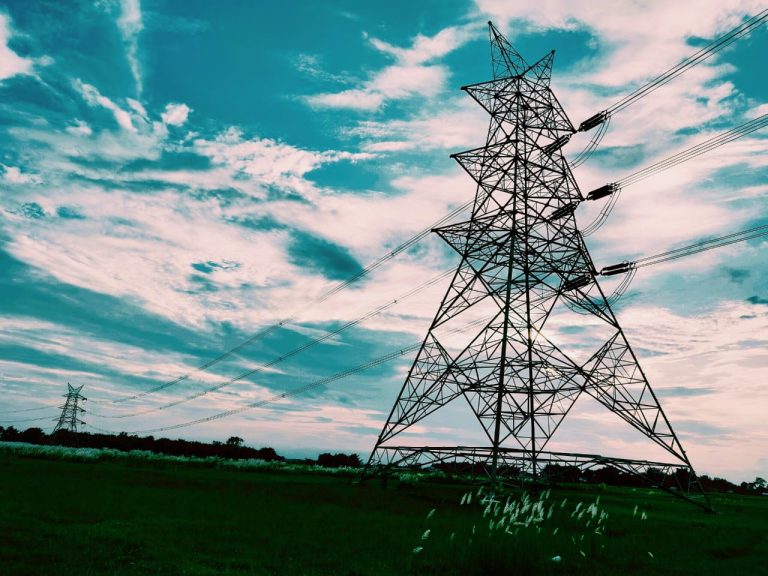
Emily Nixon LONDON, APRIL 30 (PS) – For Europe, this is a pivotal moment in the fight against climate change. With extreme weather events becoming more frequent as temperatures continue to rise, the need to act is undeniable. Last year was the hottest on record, and the first in which

The need is to develop the financial market in all three dimensions of access, depth and efficiency. A balanced financial
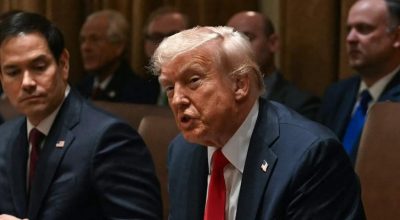
Fourth, as Ukrainian President Volodymyr Zelensky discovered, Trump puts a premium on personal relationships. But the right response is not

Mu Sochua PARIS – Many Americans have never heard of the US Agency for Global Media. But, for decades, hundreds
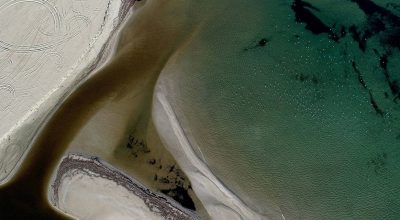
Fish are a key source of protein for about 3.3 billion people. More than 270 million workers are employed in
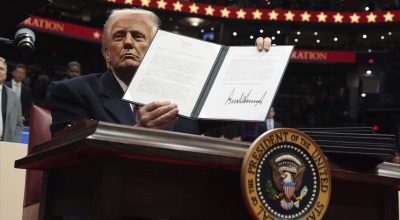
And on top of it all, Trump recently signed an executive order cutting funding for the US Agency for Global
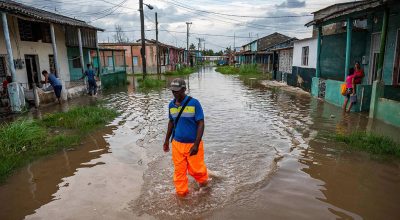
Second, many developing countries need assistance in reducing their debt burdens. Some are already in debt distress, while others suffer
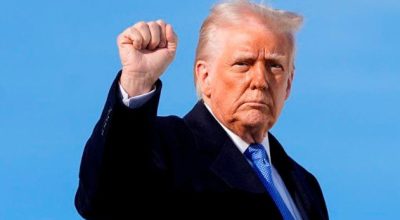
While Germany’s trade surplus has been too big for too long, it is on track to shrink. America’s deficit, too,

Nepal’s battle against the trafficking of women is a marathon, not a sprint. While progress has been made, it remains

We believe that the coming year can and must become a memorable and golden chapter in our history. May the
© 2024 All Rights Reserved Enewspolar
Developed By:
