

© 2024 All Rights Reserved Enewspolar

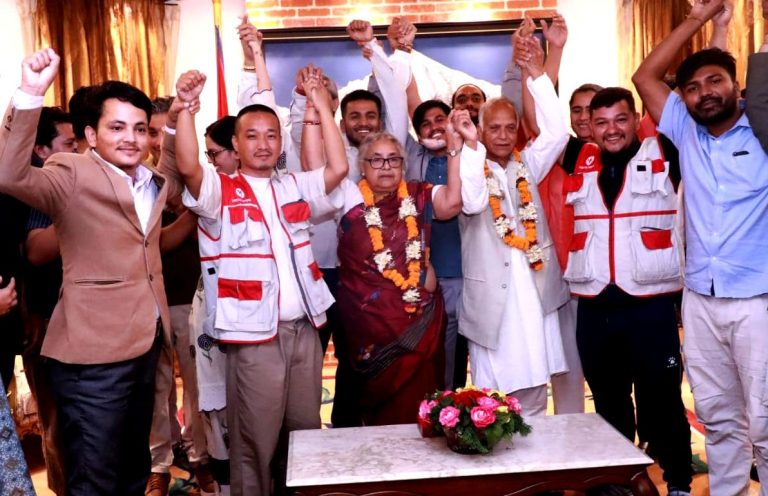
Nepal now stands at a political crossroads. As the country prepares for the March 5 parliamentary elections, a new political alignment has emerged, challenging the longstanding dominance of traditional parties such as the Nepali Congress, CPN-UML, Nepali Communist Party, and Rastriya Prajatantra Party, among others. Central to this movement are
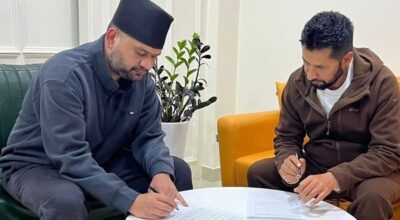
The early morning accord between Chairman of the Rastriya Swatantra Party (RSP), Rabi Lamichhane, and Mayor of Kathmandu Metropolitan City
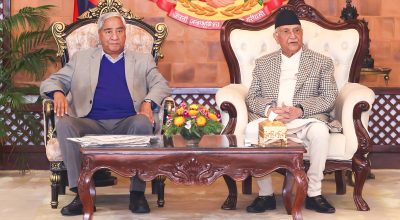
After a meeting held on Saturday at Baluwatar between Prime Minister Sushila Karki and leaders of three major political parties—the
The first was Russia’s impending victory in Ukraine over Europe’s combined leadership. For almost four years, the European Union and
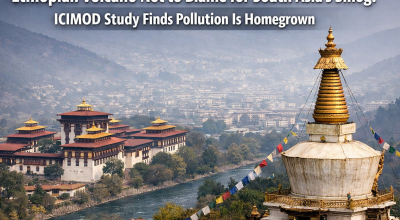
Kathmandu: A new scientific analysis has ruled out the recent major volcanic eruption in Ethiopia as a cause of South Asia’s
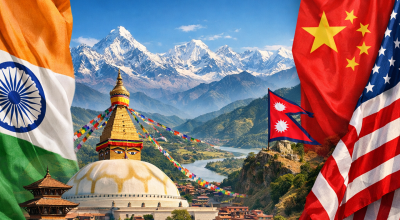
Combined with prudent management of relations with India, China, and other global partners, Nepal can translate its unique geographic and

The United Nations states that gender equality, besides being a fundamental human right, is essential for achieving peaceful societies, realizing

International cooperation is at a turning point, with the Global North far more committed to funding defense than defending development. A
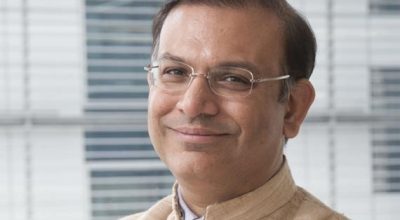
But what should this look like in practice? India’s experience with digital public infrastructure offers many lessons. The country’s platforms

Admittedly, this approach involves higher transaction costs and cannot guarantee certainty or uniformity. But the task facing international policymakers is
© 2024 All Rights Reserved Enewspolar
Developed By:
