


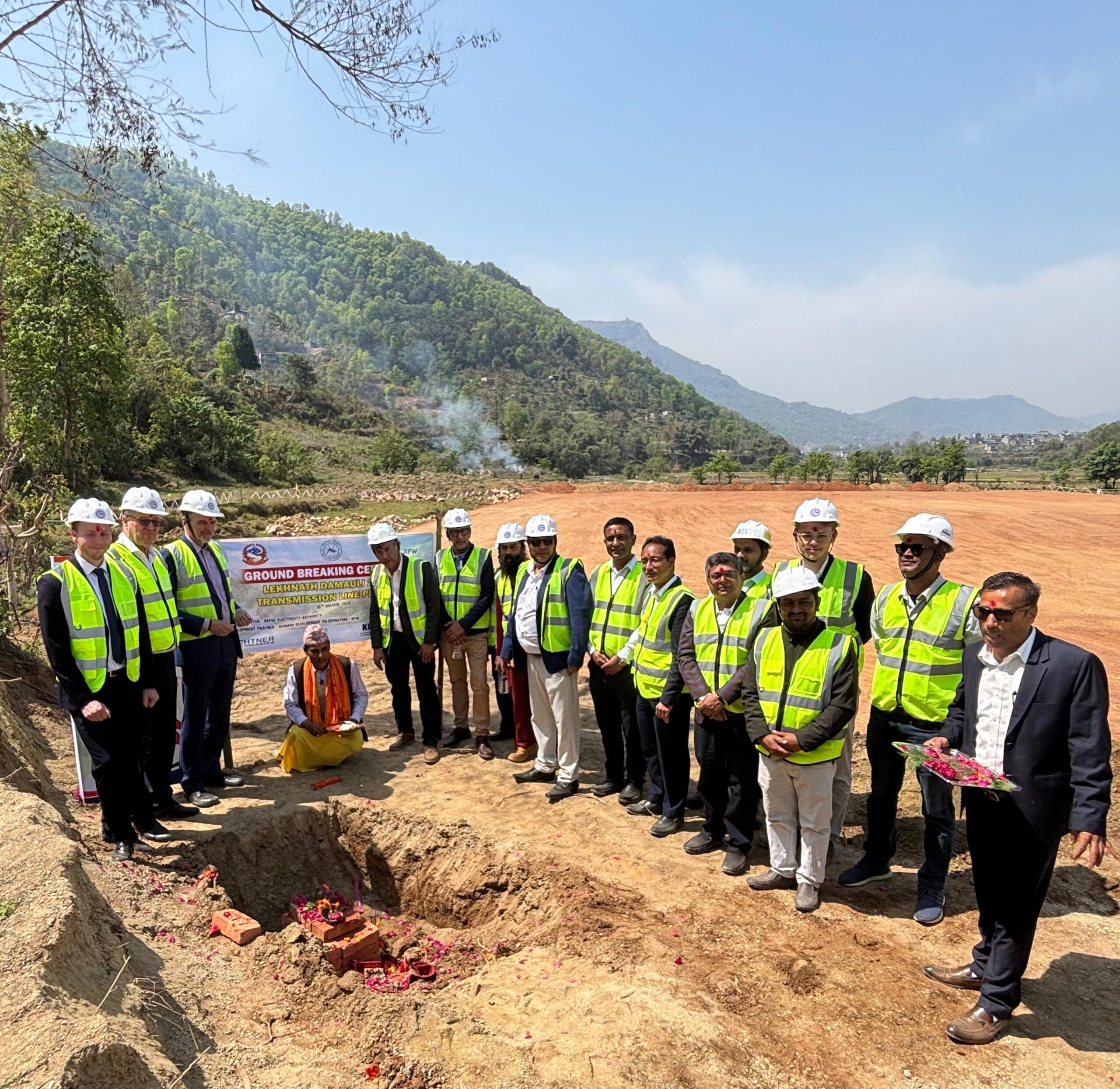
Damauli, March 18, 2026 — Nepal took a significant step toward strengthening its electricity infrastructure today as the Nepal Electricity Authority (NEA), in partnership with the Government of Germany, officially broke ground on the Lekhnath–Damauli 220 kV Transmission Line Project in Tanahun District.
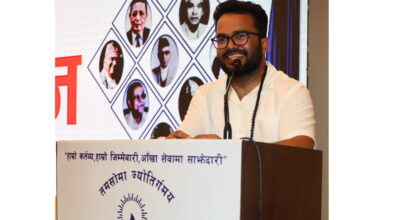
The ceremony at the Damauli Substation brought together key figures including NEA Managing Director Hitendra Dev Shakya, German Ambassador Udo Volz, and Michael Sumser from KfW Development Bank, along with representatives from GIZ and local authorities.
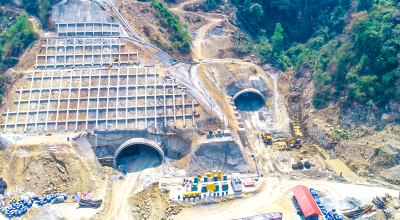
Co-financed by Germany through KfW, the project will construct a 45-kilometer double-circuit transmission line with a capacity of approximately 1,000 MW, along with modern gas-insulated substations in Lekhnath and Damauli. The infrastructure is expected to significantly enhance Nepal’s power grid, enabling efficient transmission of electricity generated by hydropower projects such as the Tanahun Hydropower Project.
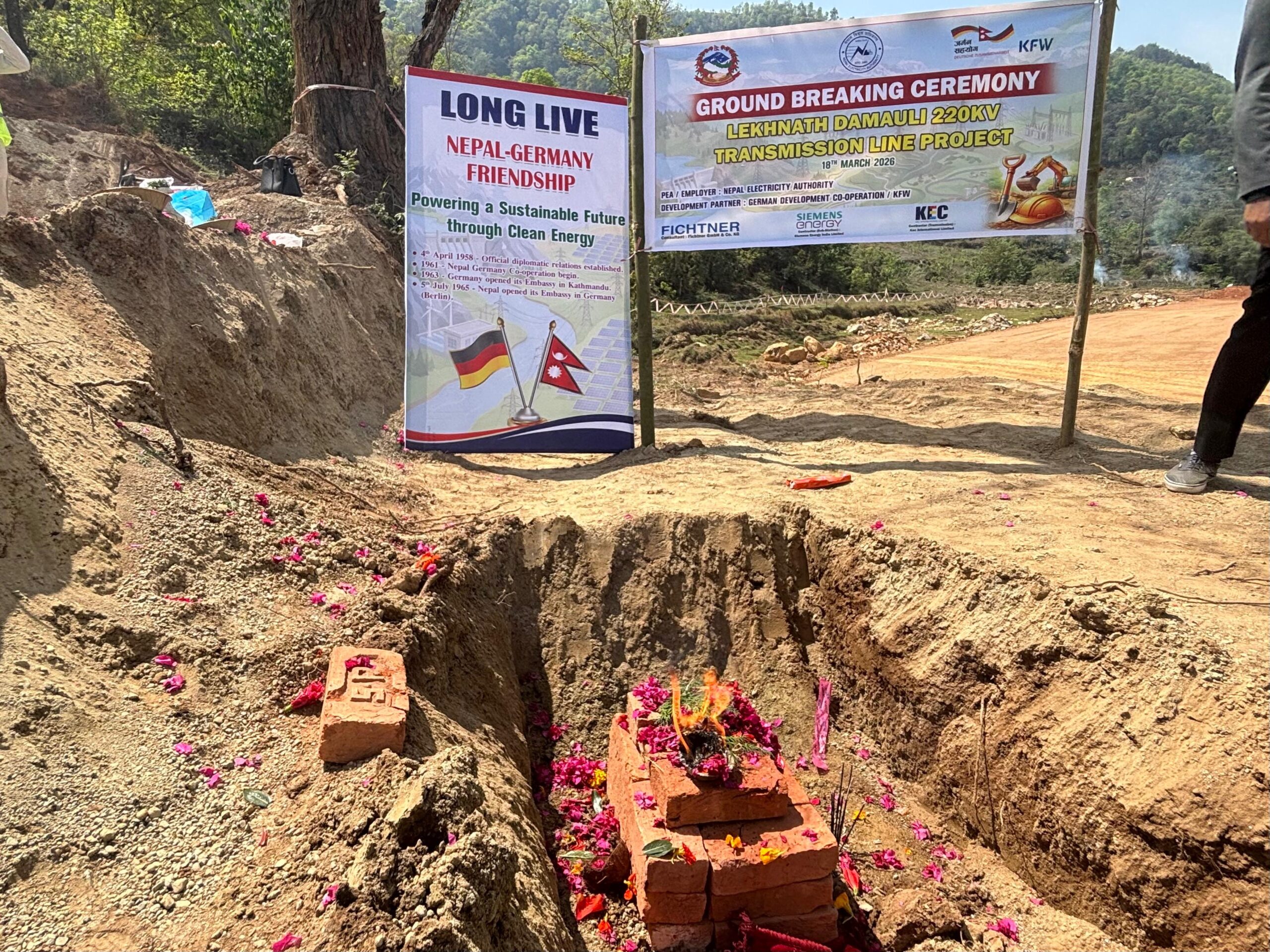
Speaking at the event, Ambassador Volz highlighted Germany’s long-standing cooperation with Nepal in the energy sector, emphasizing the importance of reliable transmission systems to support economic growth and clean energy use.
This project builds on decades of collaboration between the two countries, including support for hydropower developments like the Lower Marsyangdi Hydropower Project and the Middle Marsyangdi Hydropower Project, as well as key transmission initiatives such as the Chilime–Trishuli Transmission Line and the National Load Dispatch Centre.
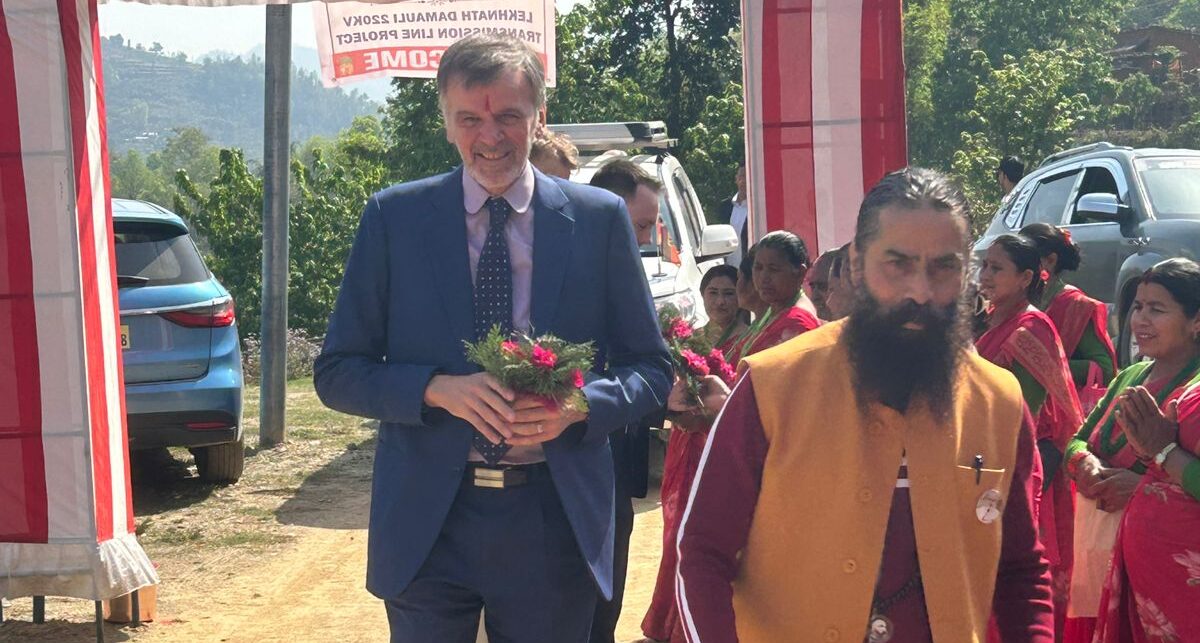
Beyond infrastructure, German Technical Cooperation through GIZ continues to support energy planning and innovation, particularly in Gandaki Province. Efforts include municipal energy planning in Pokhara, development of electric vehicle charging stations, and integration of micro-hydropower into the national grid.
The Lekhnath–Damauli transmission line is expected to play a vital role in expanding access to clean electricity, promoting electric mobility, and reducing Nepal’s dependence on imported fossil fuels. It also reflects a deepening Nepal–Germany partnership aimed at building a sustainable, climate-friendly energy future. #Nepal